Welcome to the fourth (and final!) installment of my Spring Break 2021 trip out west! Let’s wrap this thing up so we can move on to the six other places I traveled to in the past year, shall we? (One of these days I will be better about actually writing these things on time. Maybe. Someday. In theory.)
If you’re new here, you can read the other parts of this trip here, here, and here!
For the final two days of our journey, we made our way up to the highest point of elevation on the trip – the 稻城亚丁 Daocheng Yading Nature Reserve (ཉིང་རྟེན). In all honesty, while much of this trip attracted me to it, these last two days were the reason I had come. And after seeing some of the pictures, I think you’ll understand why…
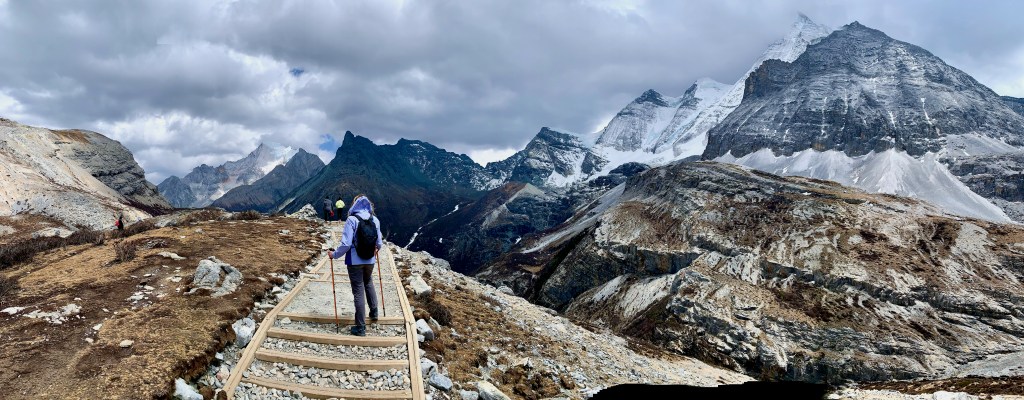
Known as the “last pure land on earth” and “the soul of Shangri-La,” the Daocheng Yading Nature Reserve is a vast expanse of snow-capped mountains, epic valleys, and beautiful lakes that covers 1,344 square kilometers (520 square miles) and has an altitude ranging from 2,900 to 6,032 meters (9,514 to 19,790 feet). For more than 800 years, local Tibetans have revered Daocheng Yading as a holy place; the reserve is home to three sacred mountains that make up a holy trinity worshipped as embodiments of three bodhisattvas: compassion (Mt. Chenrezig), wisdom (Mt. Jampelyang), and power (Mt. Chanadorje). [For the record, just about every website I have been reading trying to research these mountains has spelled them differently. English translations are hard. So, these are just one variation of how they can be spelled.] It is believed that if you make three pilgrimages to these three sacred mountains, your wishes will come true.
Daocheng Yading Nature Reserve was first introduced to the Western world in 1931 when Joseph Rock (a renowned American botanist and explorer) published more than 60 pages of writings and photographs in National Geographic after having “discovered” it in 1928. Rock spent about 20 years exploring the Tibetan plateau, and immediately fell in love with the beauty of the region. As he wrote in his article, “Where in all the world is to be found scenery comparable to that which awaits the explorer and photographer?” Though many areas of the Himalayans may try to hold claim to the title of “the real Shangri-La,” it is believed that James Hilton based the fictional paradise in his 1933 novel Lost Horizon after the pictures of Daocheng Yading Rock published in his National Geographic article. The small town near the entrance of the reserve has even officially changed its name to fit the story — so I can now say that I bought a dress in Shangri-La!
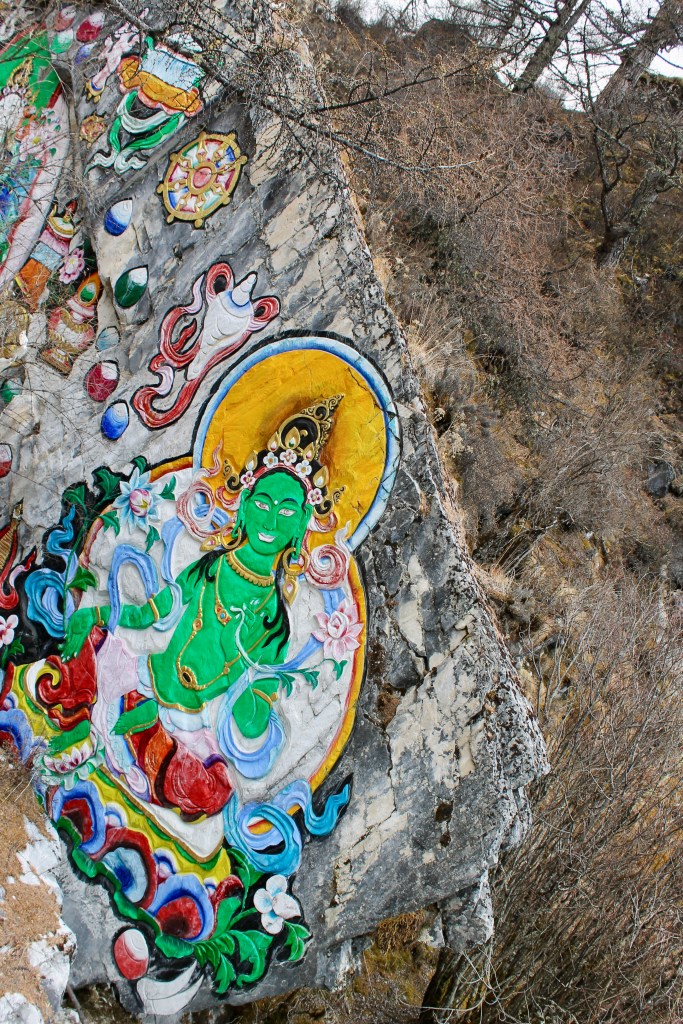
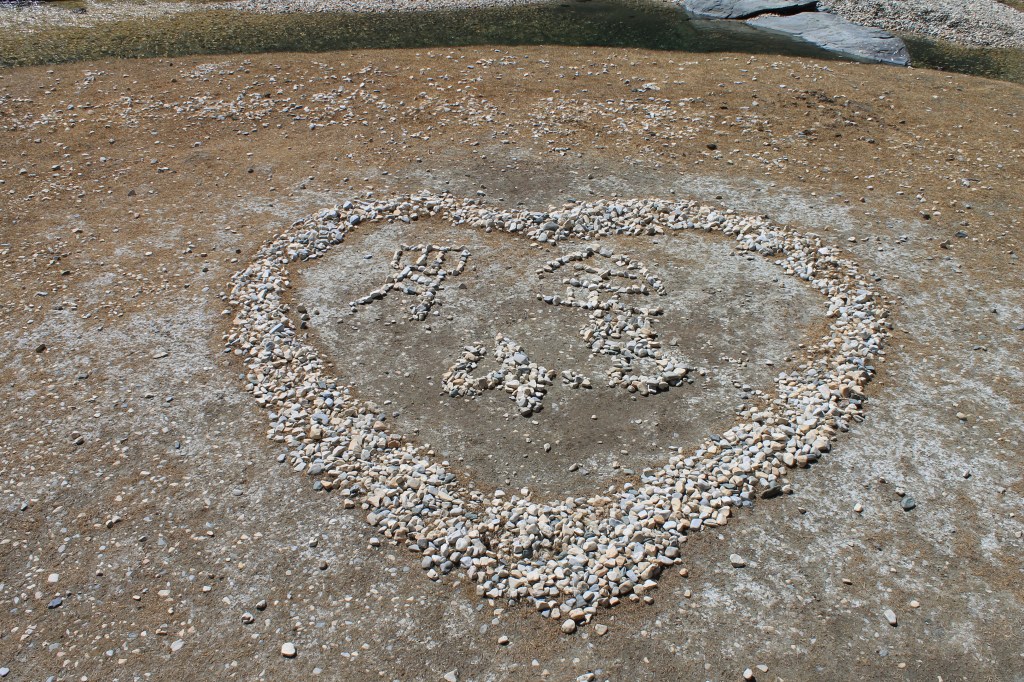
Since there were so many trails we wanted to hike within the reserve (and the altitude meant we only had the breath support to go at a slower speed, oooof) we split up our visit into two days. On our first day, we first trekked up to the 冲古寺 Chonggu Monastery. Built nearly 800 years ago, Chonggu Monastery sits at the base of the north face of Mt. Chenrezig, the highest mountain in the reserve. Legend tells us that a monk built this temple as a place to worship the three holy mountains. However, soon after it was built, disease ravaged the area. The monk prayed and prayed for the health and safety of the people; they were all spared, while he was sacrificed. To honor him, the people buried him on the land and sculpted Tibetan cairns (carefully stacked stones and pebbles) in his memory. After hiking up all of the steps leading up to the monastery, I was grateful for some time to rest and do a quick sketch. That altitude is no joke!


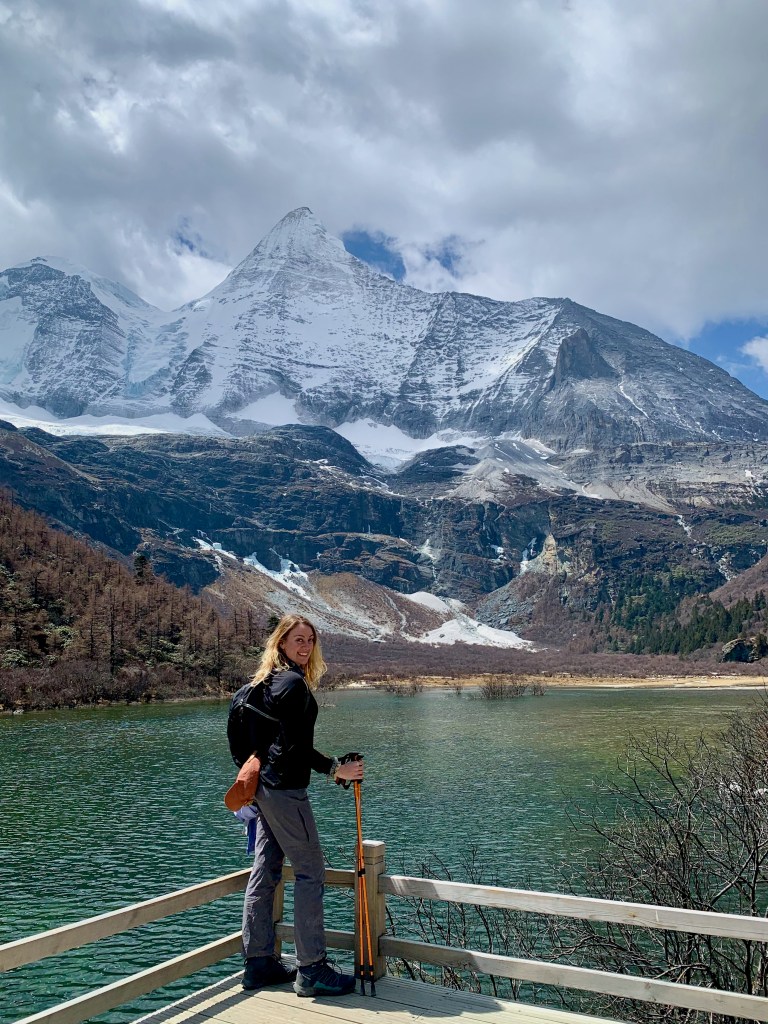
After leaving the monastery, we headed for our next destination: 珍珠海 Pearl Lake. Also known as 卓玛拉措 Zhuoma Lacuo Lake, at an altitude of 4,100 meters (13,451 feet) Pearl Lake is the lowest holy lake in Daocheng Yading. Formed by melting snow from Mt. Chenrezig, it is said that on a sunny day the surface of the lake looks as though it is covered by thousands of pearls – hence, its name! It was so peaceful and refreshing to just sit quietly by the side of the lake. With the mountain giant looming in the distance, surrounded by trees, it was hard not to be overwhelmed by the beauty of the spot.

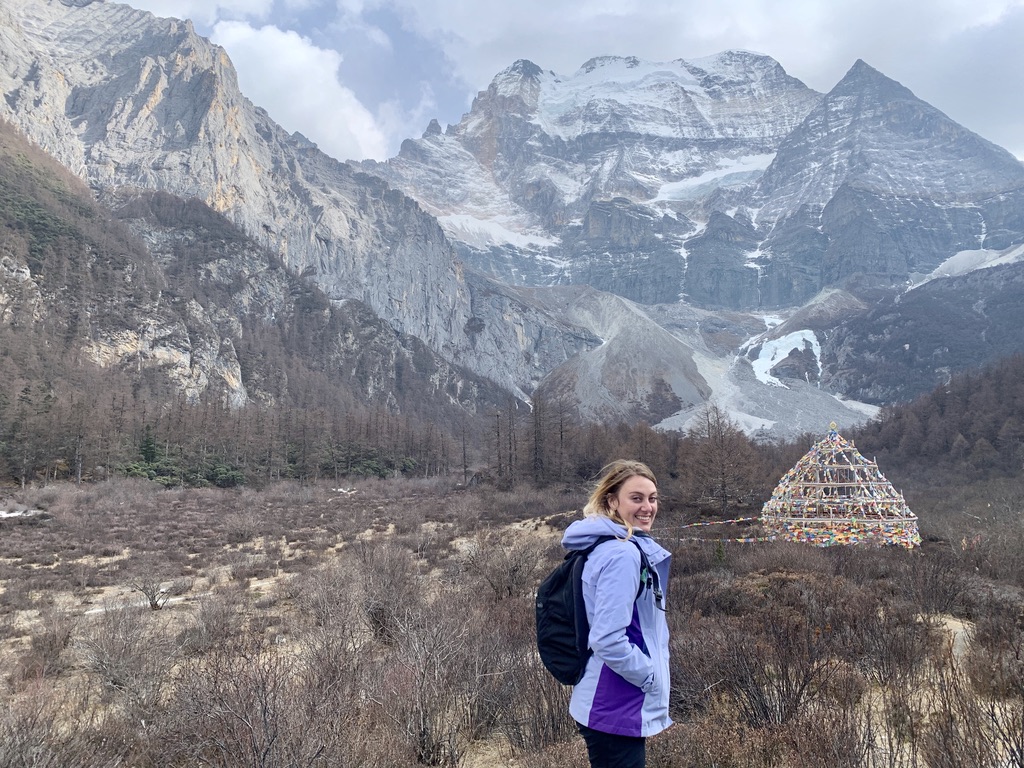
Our second day in the nature reserve (which just so happened to be my 29th birthday!), we started our hike in the 洛绒牛场 Luorong Grassland. Surrounded by the three holy mountains, this is as far as many tourists get before turning back. (There’s no way I would stop here!) As we walked towards the mountains, we passed many local Tibetan villagers’ livestock – the pasture is a wonderful place for the goats and cattle to eat! Seeing animals is always one of my favorite parts of traveling — some animals I know, some I don’t; some are domesticated, some are wild; I love them all!

A very serious monkey. He just sat like this letting people take his picture. What a champ. 
Luorong Grassland 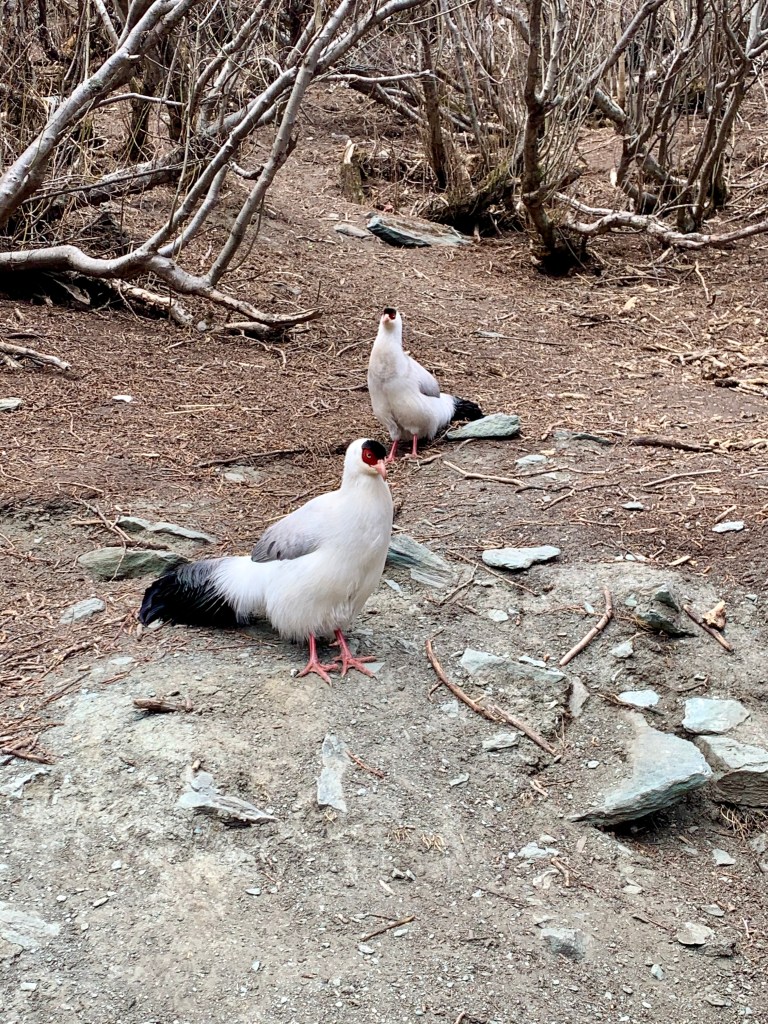
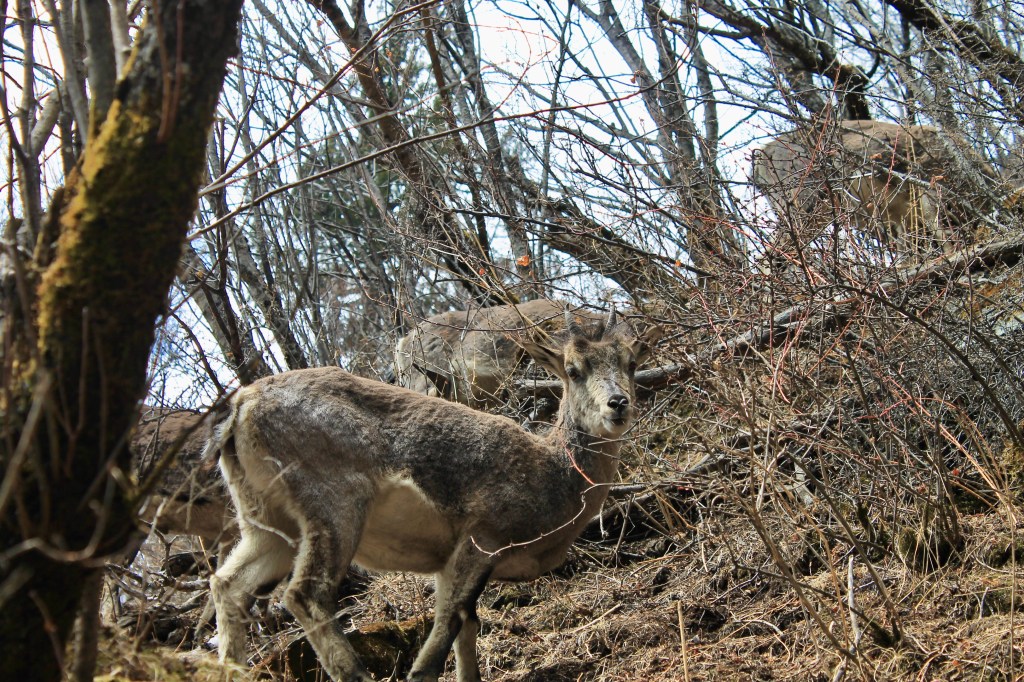
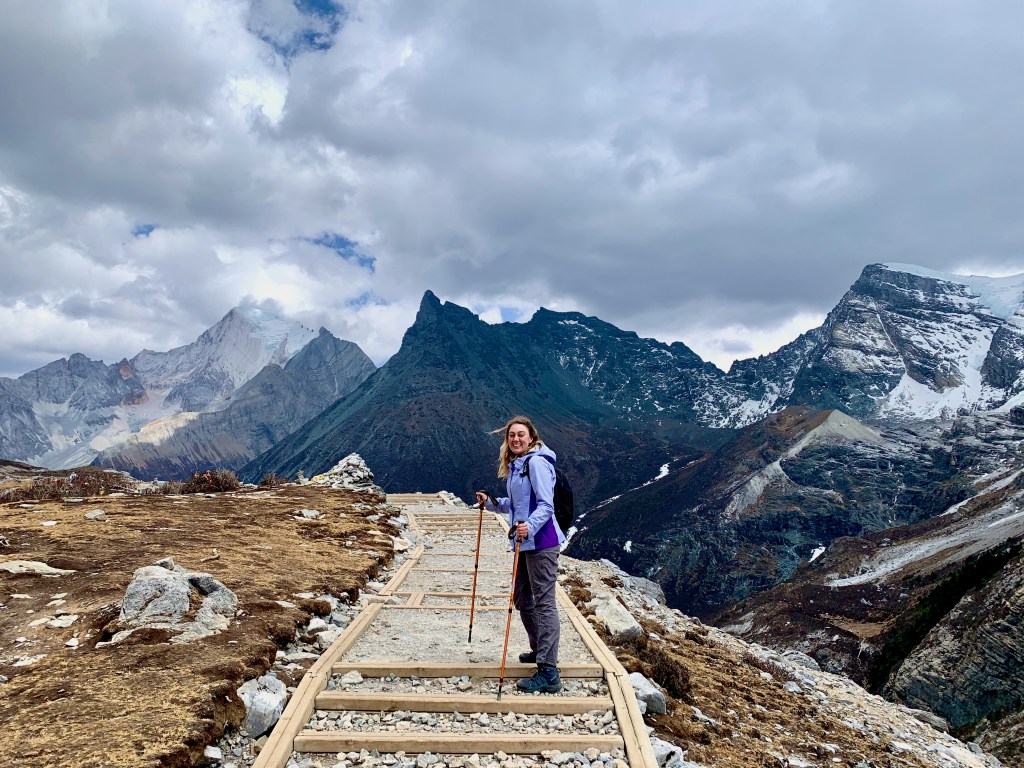
After making it past the the Luorong Grassland, the real hiking begin. Now look y’all: I love hiking, I do it whenever I can, and I am generally pretty adept at it. But this hike was a struggle. I couldn’t tell you if the hike itself was actually difficult or not, but what I can tell you is that altitude will HIT YOU. There were times that I could only make it in 2-3 step chunks before stopping to breathe heavily. Take 3 more steps, stop and gasp for air. Rinse and repeat. Over and over. And yet, even through all of that, I would do it again in a heartbeat. With each (lung-crushing) step, the views grew more and more epic as the mountains loomed over us. As I got higher, the ground soon was covered in snow. Spring break goals, am I right?!
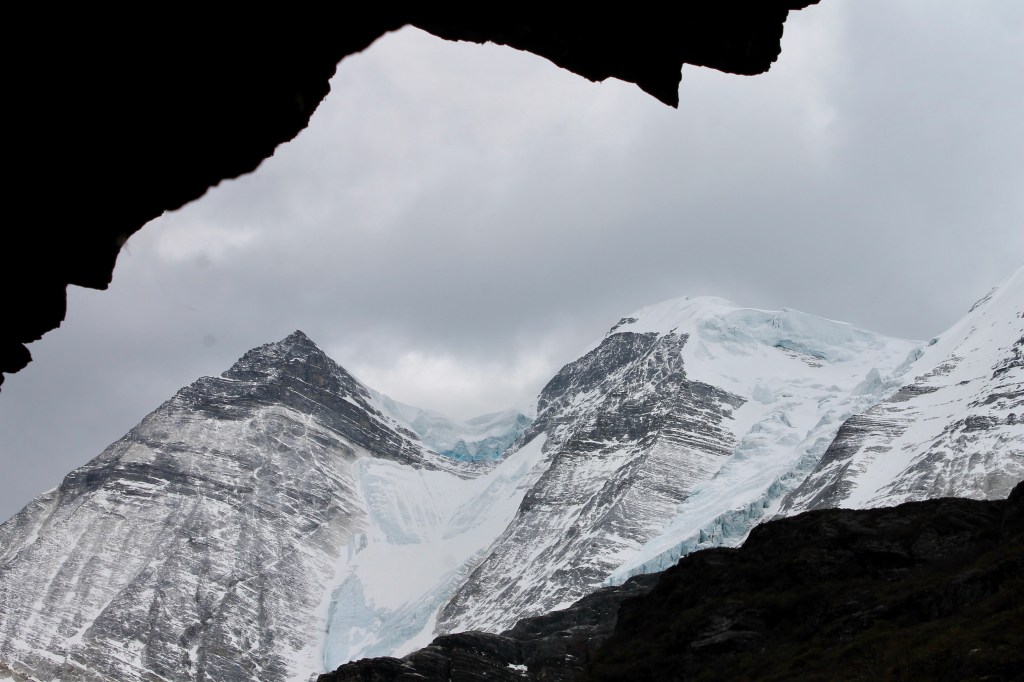


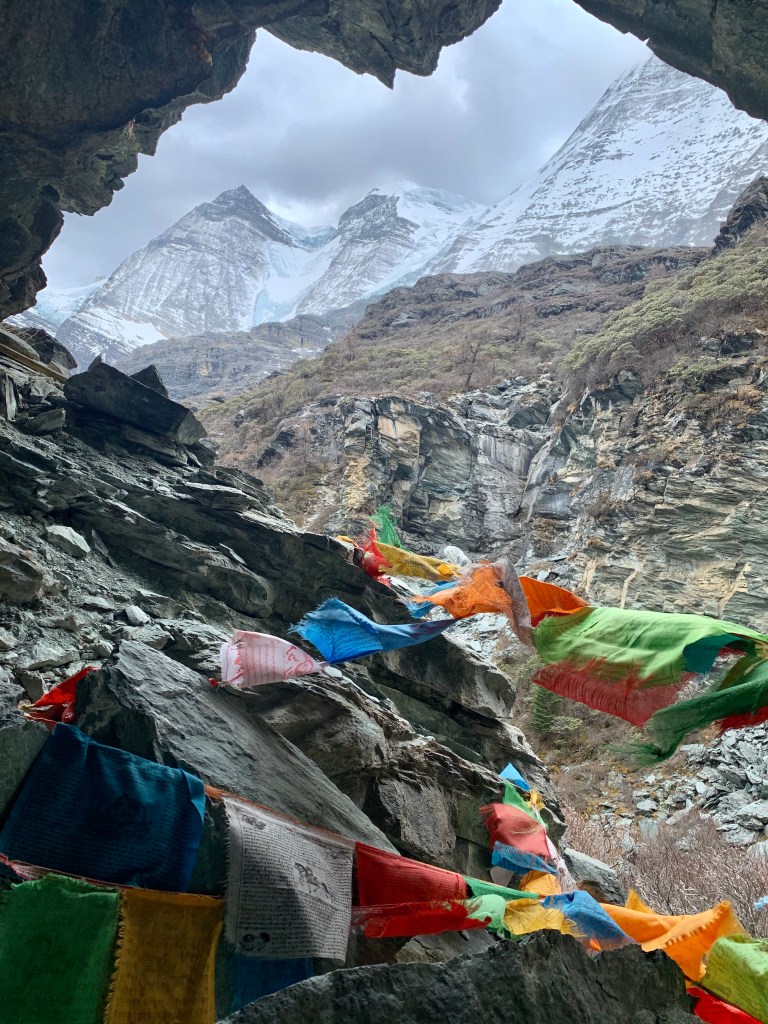
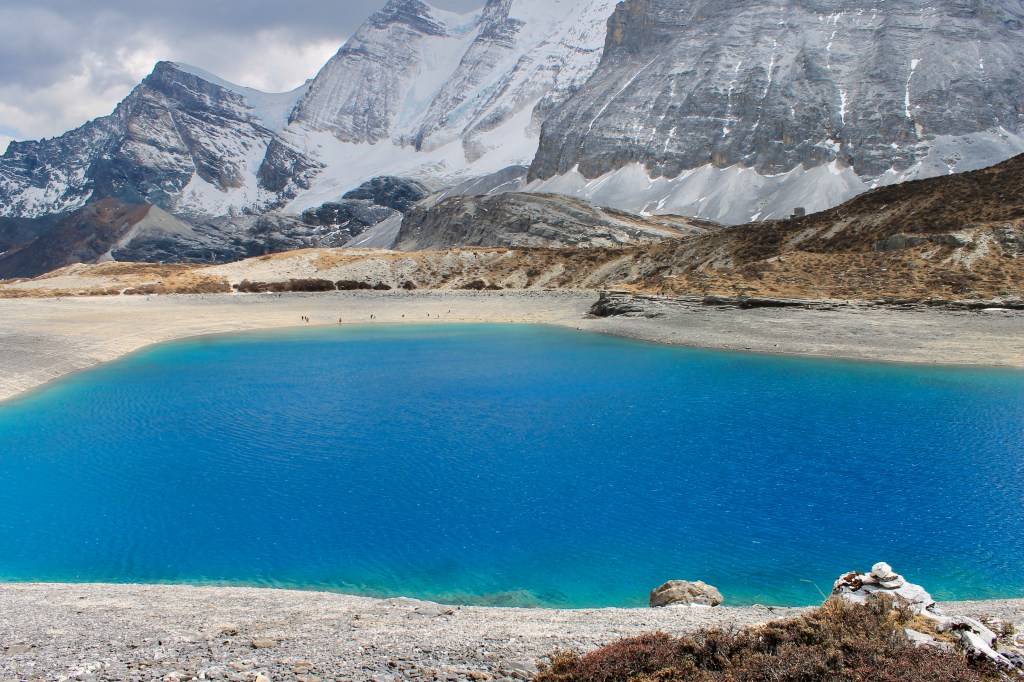
After about 2 hours of huffing, puffing, and this-may-be-how-I-die-ing, I made it to my first destination: 牛奶海 Milk Lake! This ancient ice glacier lake sits in the valley of Mt. Jampelyang and is absolutely GORGEOUS. Though the interior of the lake is a beautiful turquoise color, the edges of it look more like a milky white – according to local legend, the whiter the water, the better the harvest will be! Though it was coooooold and windy up by the lake, I couldn’t resist stopping to take in the view. Look at those COLORS!


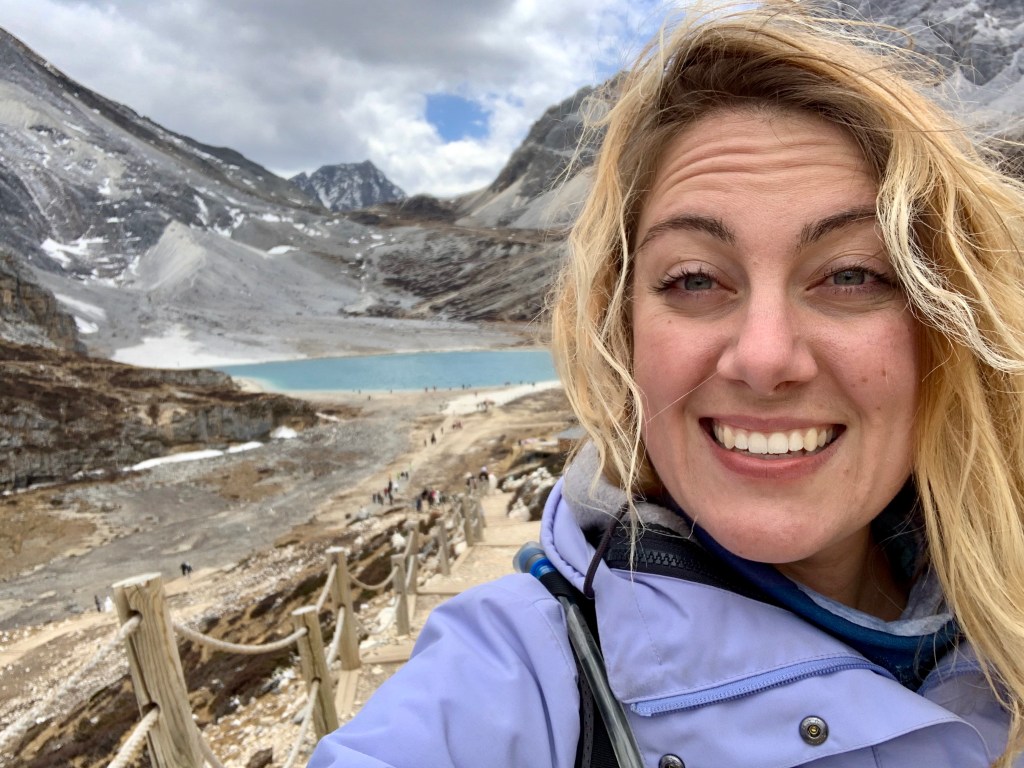
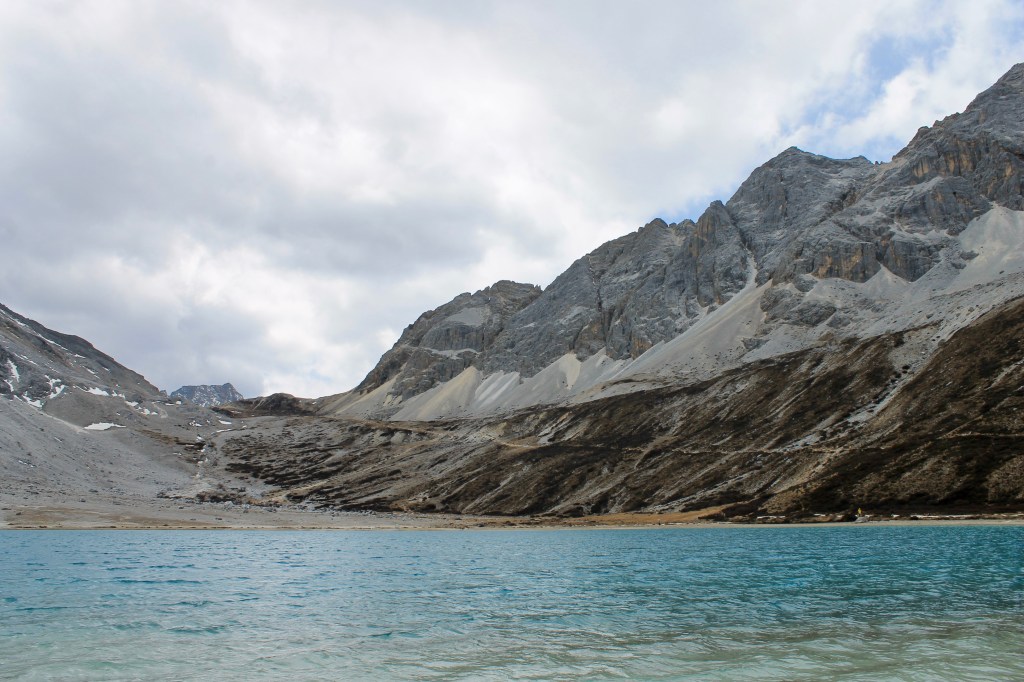
Just up and over from Milk Lake (“just up and over” in this instance meaning “holy hell how can there still be any more steps, this is how I die”) I made my way to 五色海 Five Color Lake! At 4,600 meters (15,091 feet), Five Color lake is the highest lake in Daocheng Yading Nature Reserve. Covering 0.7 acres, this lake stretches between Mt. Chenrezig and Mt. Jampelyang; with each breeze that passed over it, the color seemed to shift in the sunlight. Some locals believe that Five Color Lake can reflect history and predict the future, so many Buddhists make their way here for pilgrimage. All in all, a pretty perfect way to spend my first international birthday!

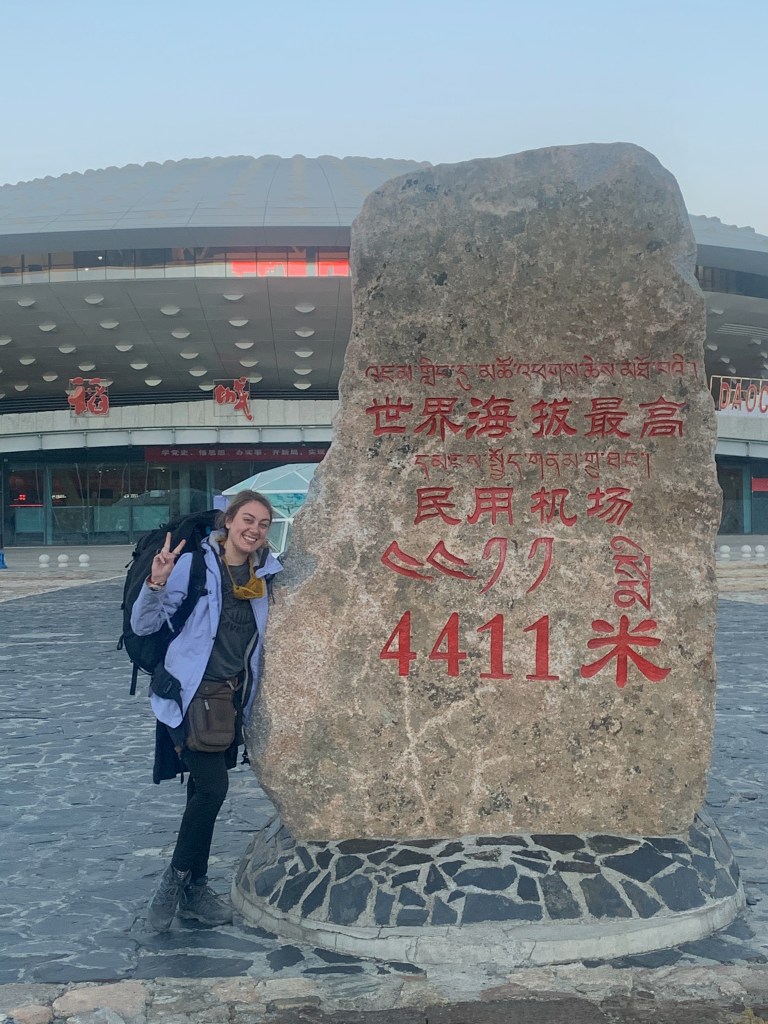
The next morning, it was time to head back home to Shanghai, but not without one more exciting discovery: we’d be flying home out of the highest civilian airport in the world! At 4,411 meters (14,472 feet) above sea level, the Daocheng Yading Airport holds the world record. Pretty cool, huh?

And that, my friends, brings my trip out west to an end. Thanks for following along through the (many) months it took for me to finish writing all of this, and stay tuned: I’ve done so much traveling in my first year in China, have many more trips planned, and can’t wait to share it all with you. Adventure is out there!
 Adventure in the Great Wide Somewhere
This was just terrific. Pictures and your colorful writing took me along.
LikeLiked by 1 person
WOW, just WOW! Thanks for taking us where you were!
LikeLiked by 1 person