
(To read Part 1 of my Xishuangbanna trip, click here!)
One of the amazing things about living and traveling through China is the variety of destinations available to you. There are giant metropolitan cities (larger than most American cities!) that I’d never even heard of before moving here, the classic Chinese tourism spots (the Great Wall, the Terracotta Warriors, the pandas, etc), and the various STUNNING natural wonders, but one of my favorite places to visit are the smaller local villages. Though I likely would not be able to find or reach these villages on my own, by traveling the country with tour groups I’ve been able to get a glimpse into a side of China that I would not have been able to see otherwise. While down in Xishuangbanna, we were able to have one such experience when we went to visit a village that is home to one of the local minority cultures: the Bulang people.
In China, there are 56 officially recognized ethnic groups. (This is why the idea of “Chinese” being a language is ridiculous. Mandarin is one language that is spoken throughout China; yes, since the 1930s it has been the “official” language of China that is taught in schools and heavily enforced, but there are so many Chinese languages and dialects that to claim any of them as being “Chinese” is silly. I have many more thoughts on the subject, but this – like many things – will be better suited for an off-line conversation.) Xishuangbanna is home to 14 different ethnic groups, one of which is the 布朗族 Bulang (or Blang) people. There are approximately 90,000 Bulang people in China, a majority of whom live in the 勐海镇 Menghai area of southwest Yunnan. (Geography reminder: Yunnan is a province within China, Xishuangbanna is a prefecture within Yunnan, Menghai is a county within Xishuangbanna.) Descended from the ancient 濮 Pu (or Lolo) people, the Bulang are considered to be one of the three indigenous peoples of southwestern Yunnan. As we had a local Bulang tour guide accompanying us on our trip, we were able to take a few hours to go and visit a Bulang village that welcomes tourists and provides a look into their customs, architecture, and handicrafts.
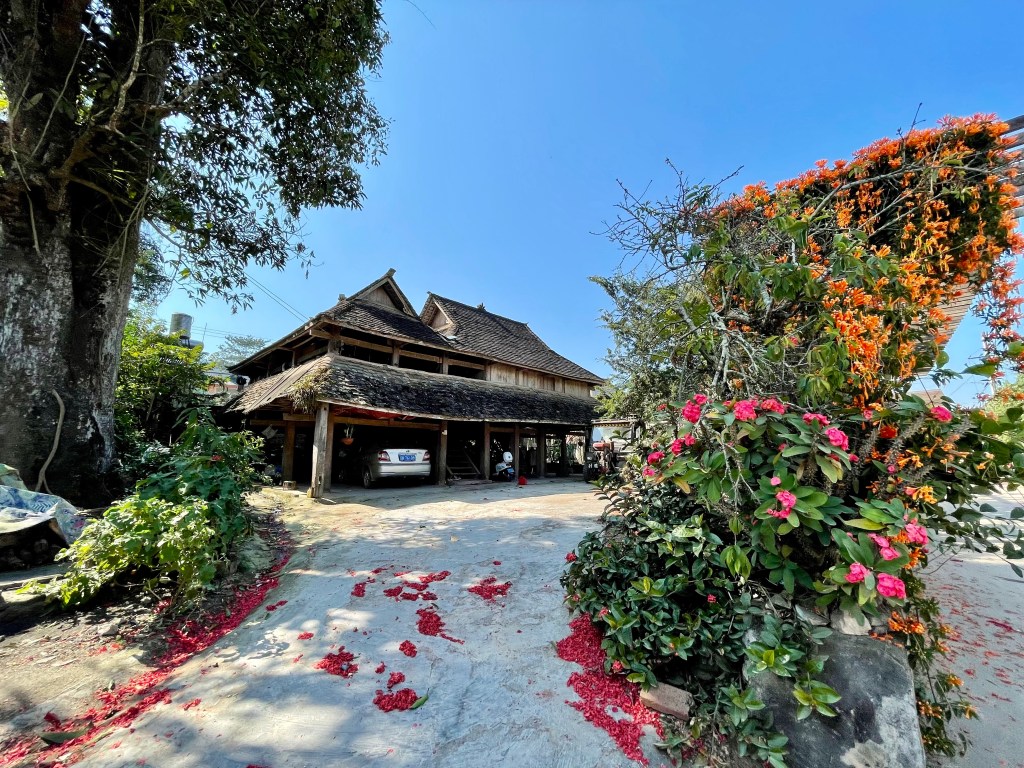
One of the interesting things our guide shared with us was the way in which houses are built. Traditional Bulang homes are wooden, two-story buildings; the first floor is an open space where domestic animals can be kept, and the second floor serves as the living quarters with a fireplace in the middle for cooking, heating, and light. When it comes time for a new home to be built, the entire village comes out to help. With everyone working together, the house is built in 2-3 days and blessed in a traditional ceremony.

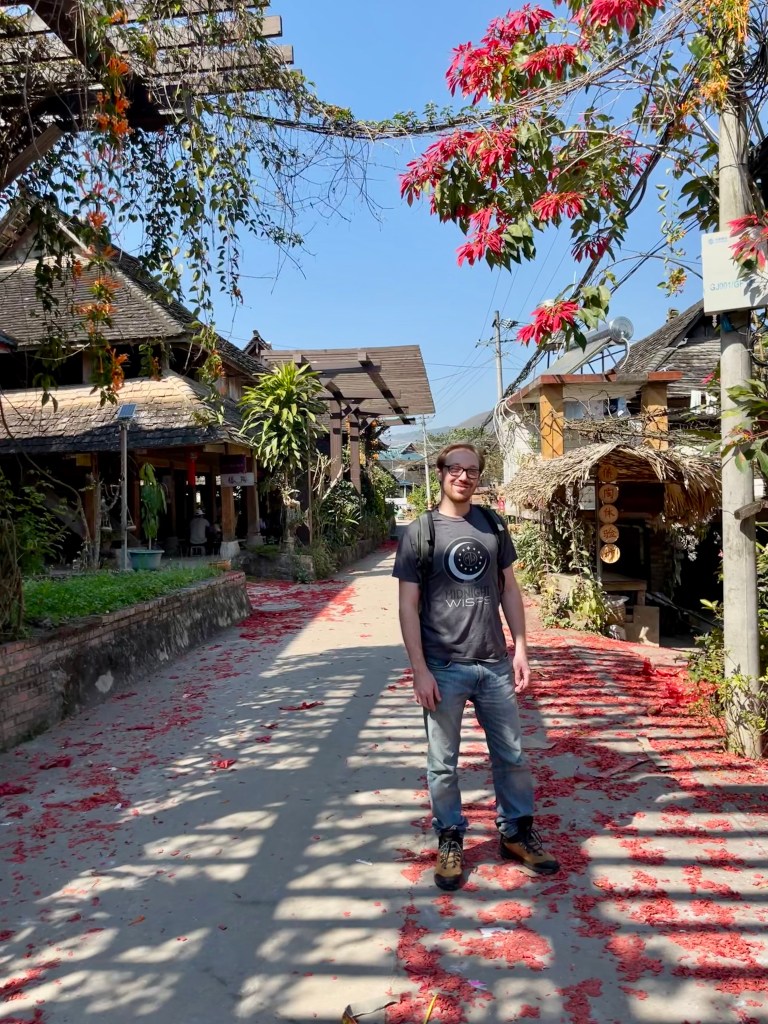
We were visiting over Chinese New Years, so there were remnants of fireworks throughout the streets. 
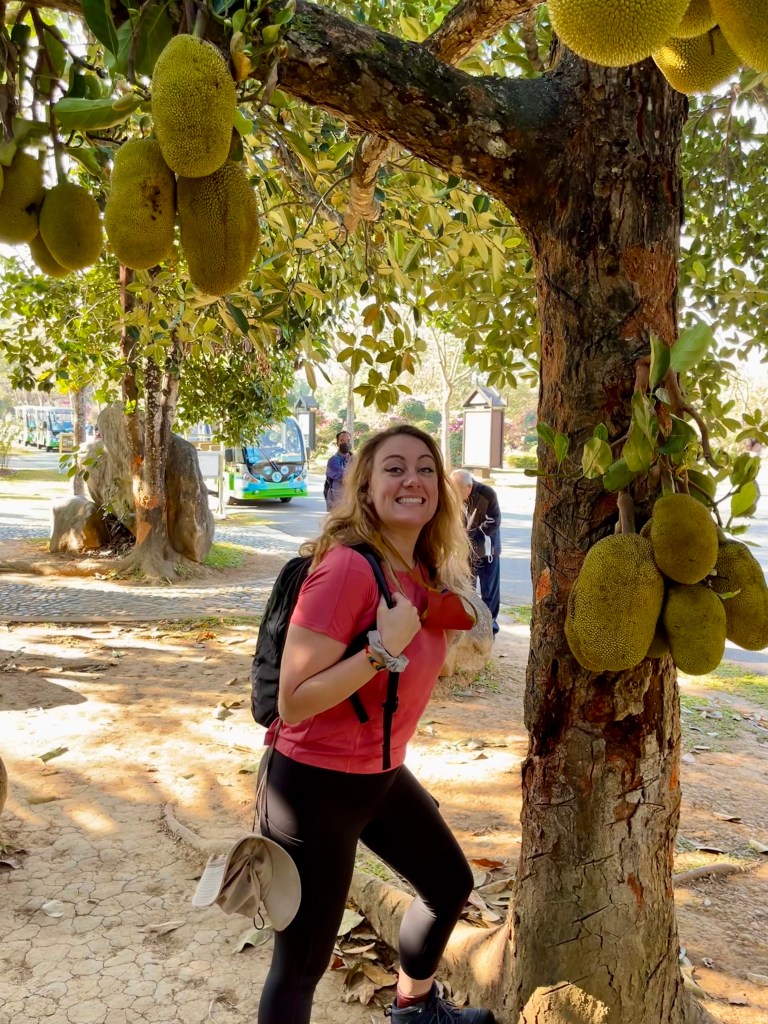
Dragonfruit! It was EVERYWHERE around here. One of my favorites! 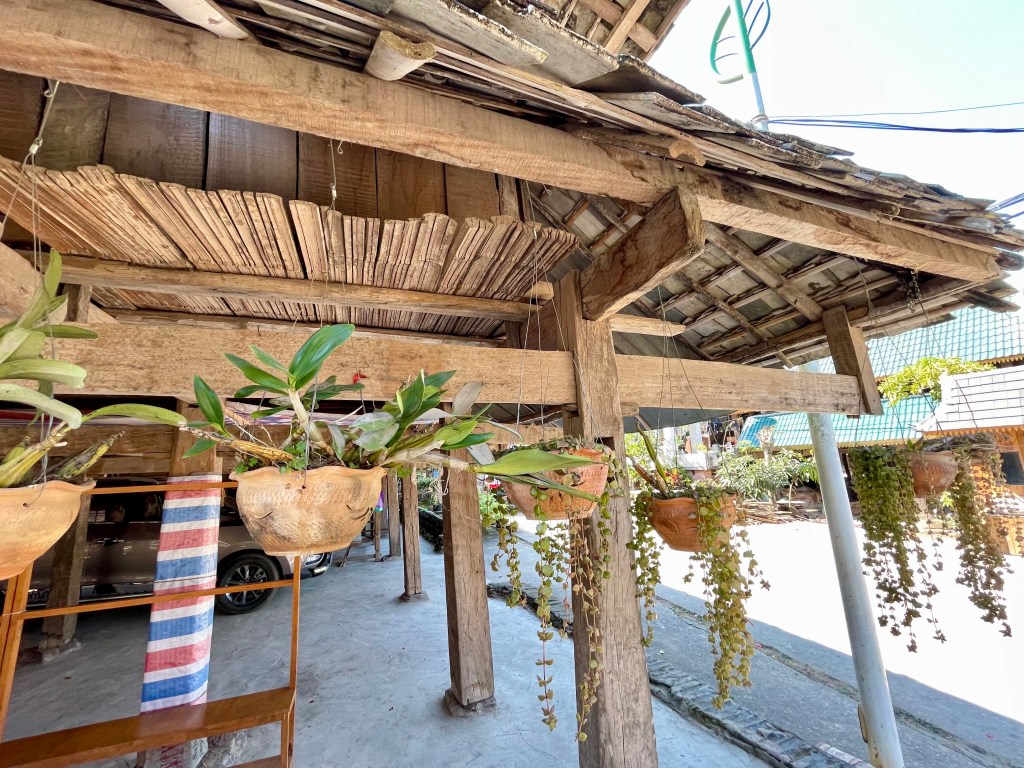

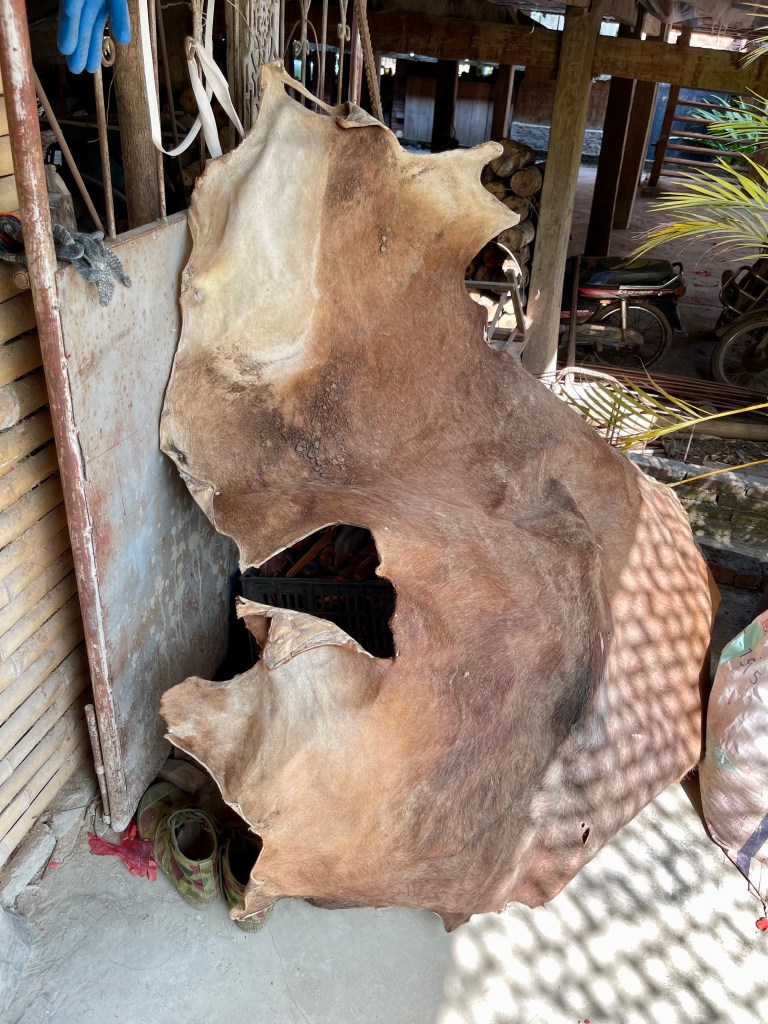
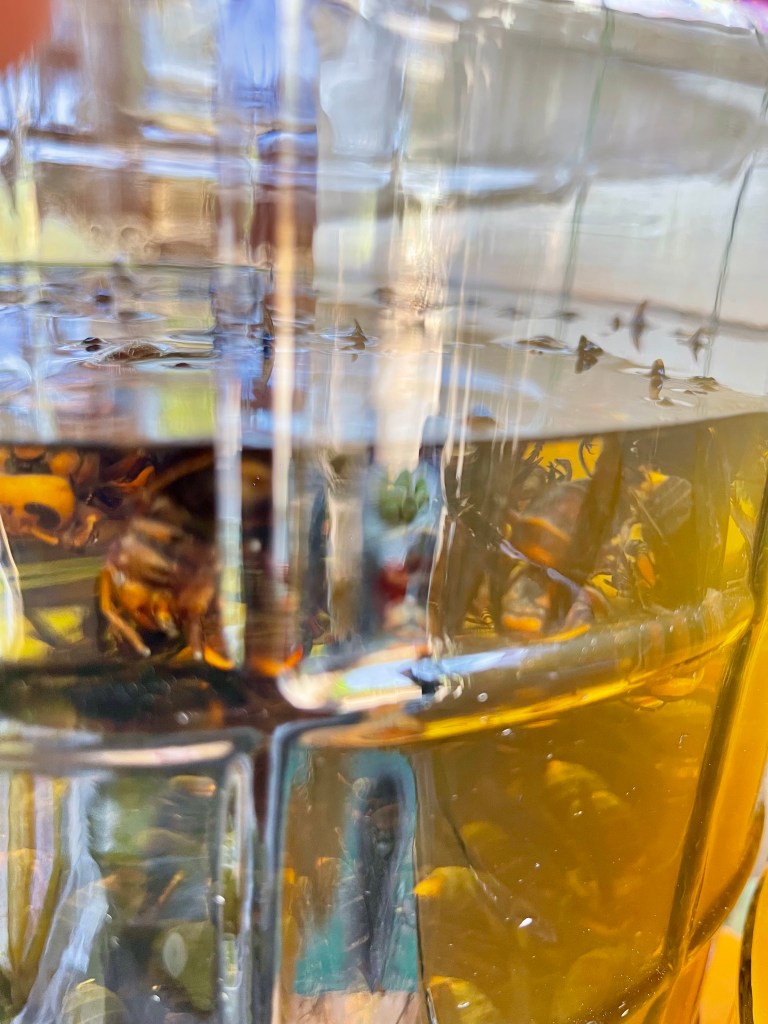
As we walked through the village, we were able to learn a lot about the culture just by observing. We passed a courtyard where an animal hide was being dried in the sun so it could be cleaned and stretched into a traditional drum. We also passed a small shop selling various flavors of 白酒 baijiu, which translates into “white liquor” and is a very strong, fermented, distilled sipper that is popular throughout China. Now, I’ve had baijiu before, it’s not something I’m particularly partial towards, but one of these jugs of baijiu caught our eye due to its flavor… bee! That’s right, floating around infusing the liquor were a bunch of bees! Well, you know what they say: when in China, drink as the Chinese drink… (It wasn’t that bad. Michael did say he thought it tasted like rat poison, but, honestly, that’s kind of just regular baijiu. You get used to it.)


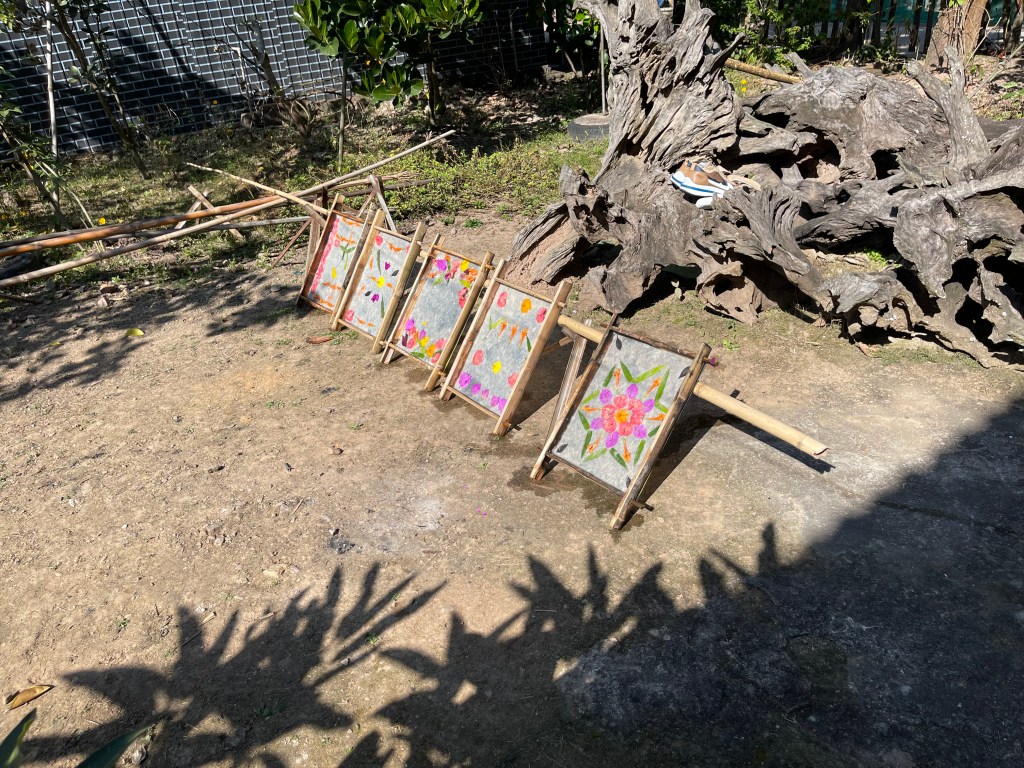
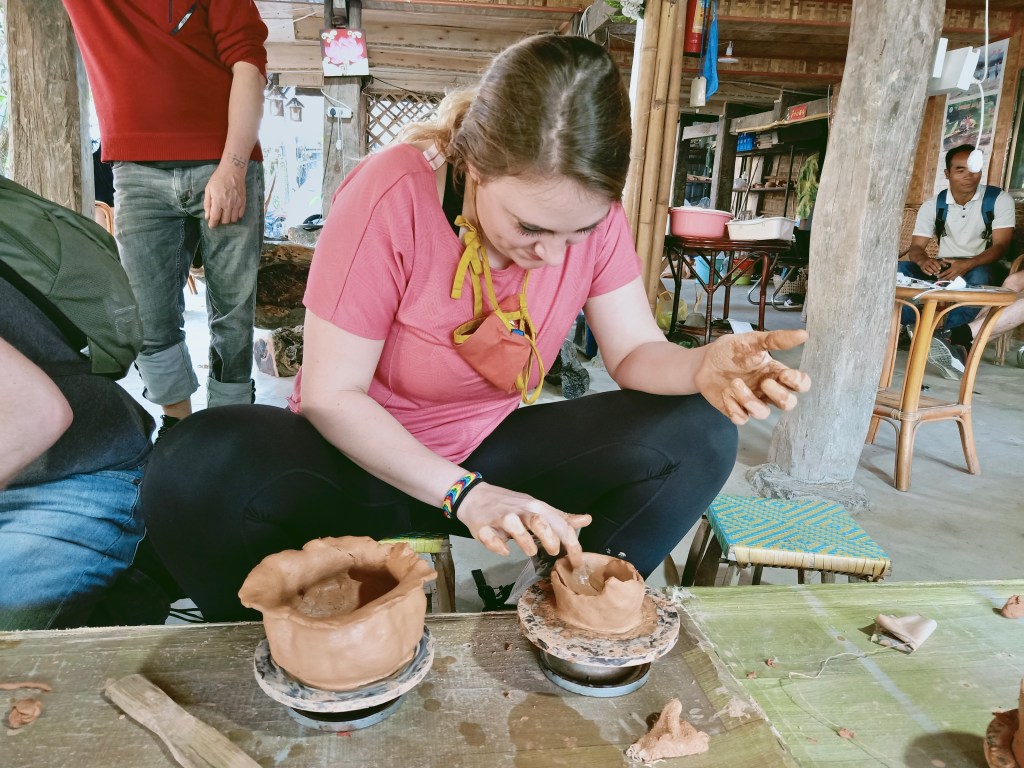
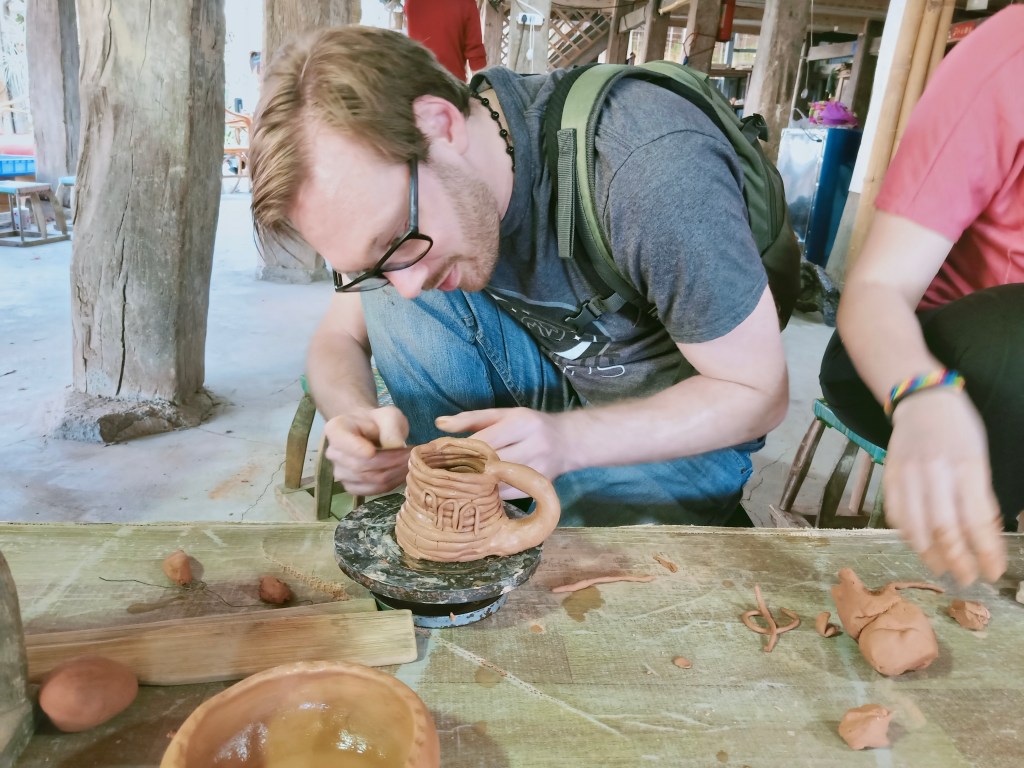
One of the aspects of this village visit that has been different from any other that I’ve done in China was that we got to enjoy some arts and crafts! After observing and learning about some of the traditional Bulang handicrafts, we were given the opportunity to make our own paper (pressing in some local flowers for decoration) and pottery pieces. Though this may not have been everyone’s cup of tea, I, of course, was absolutely delighted. I am ALWAYS down for an art project, especially one I can hang up in my house afterwards!


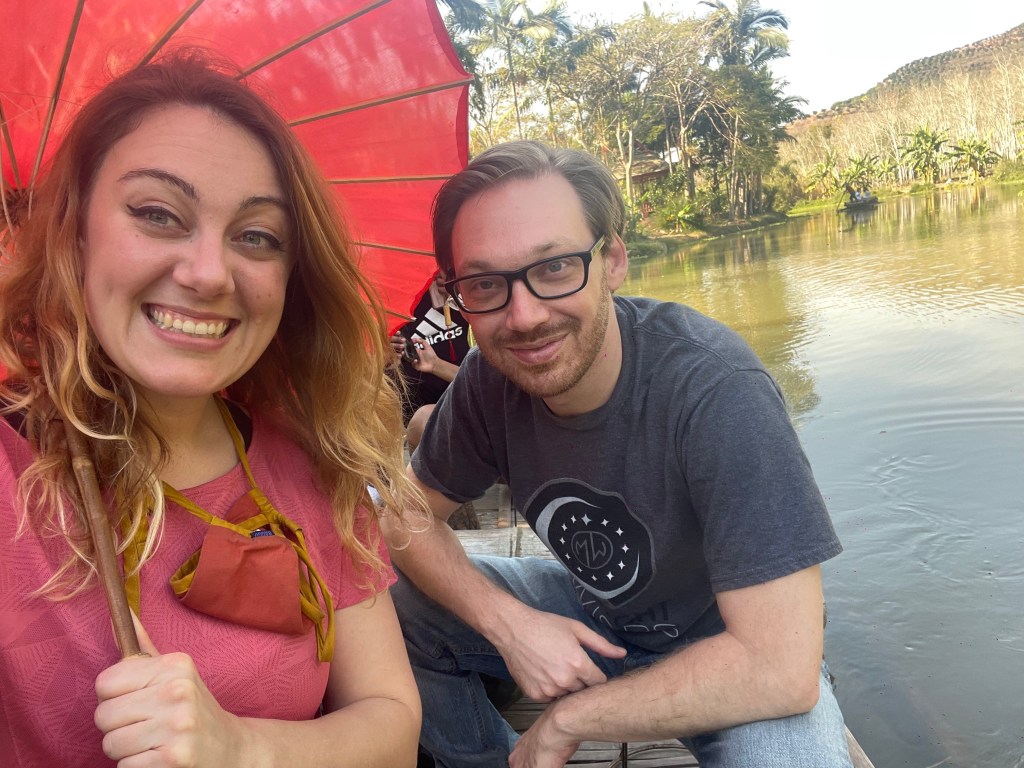
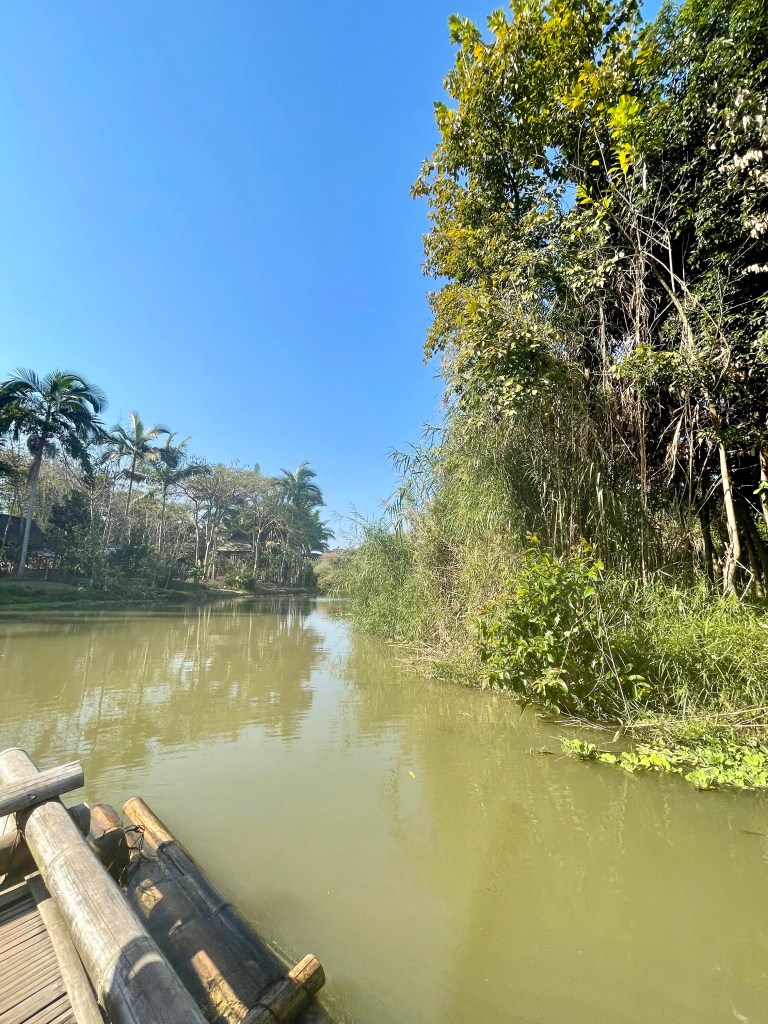
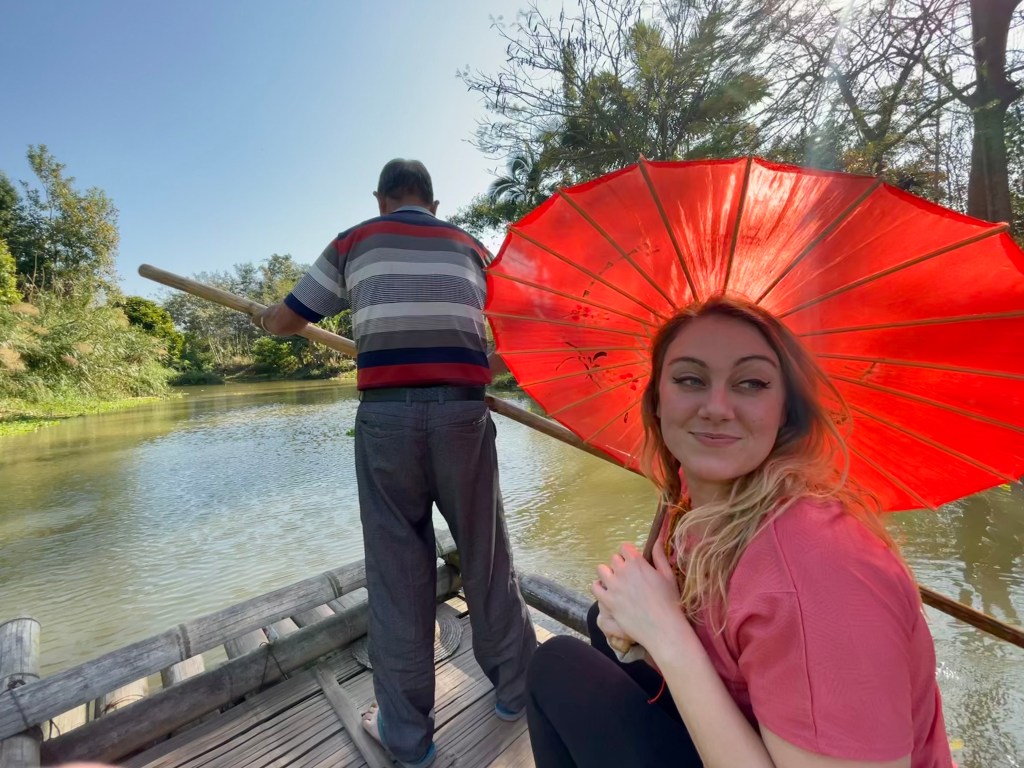
Next, we all climbed on to bamboo rafts for a peaceful ride down the river! Thankfully, we were given umbrellas for the ride – not only were they cute, but they helped shade us from the blaring sun in the heat of the day. Especially that far south (right near the Tropic of Cancer, about at the same latitude as Abu Dhabi, Mexico, Hawaii, and the Sahara Desert) sun protection is no joke!

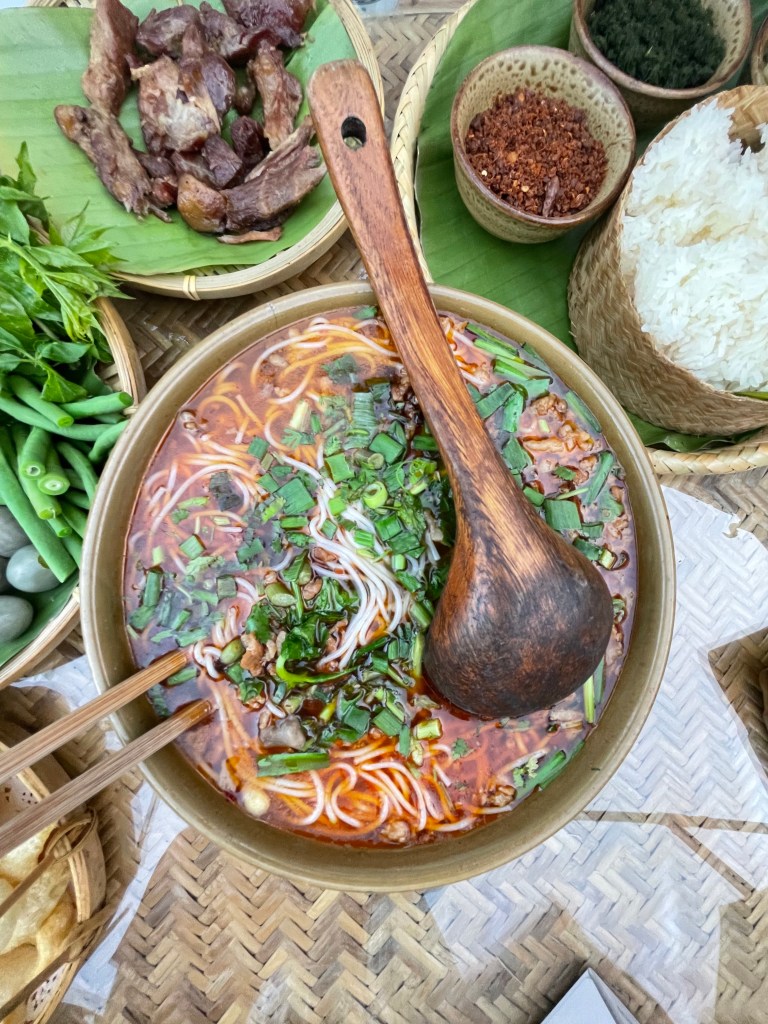
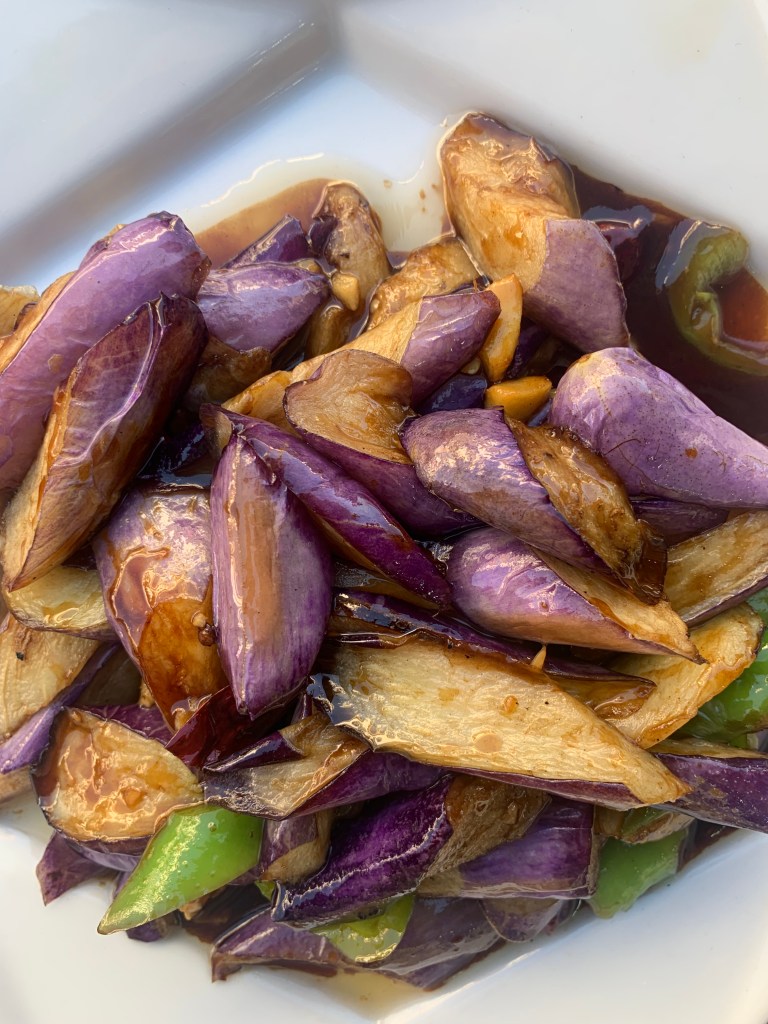
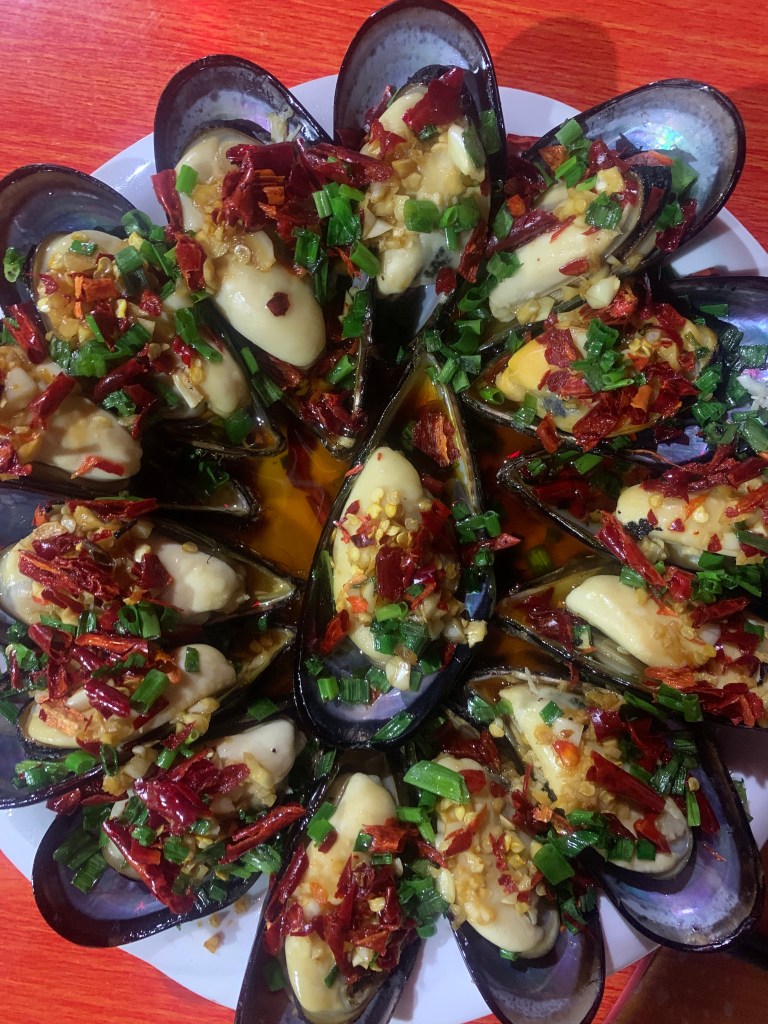
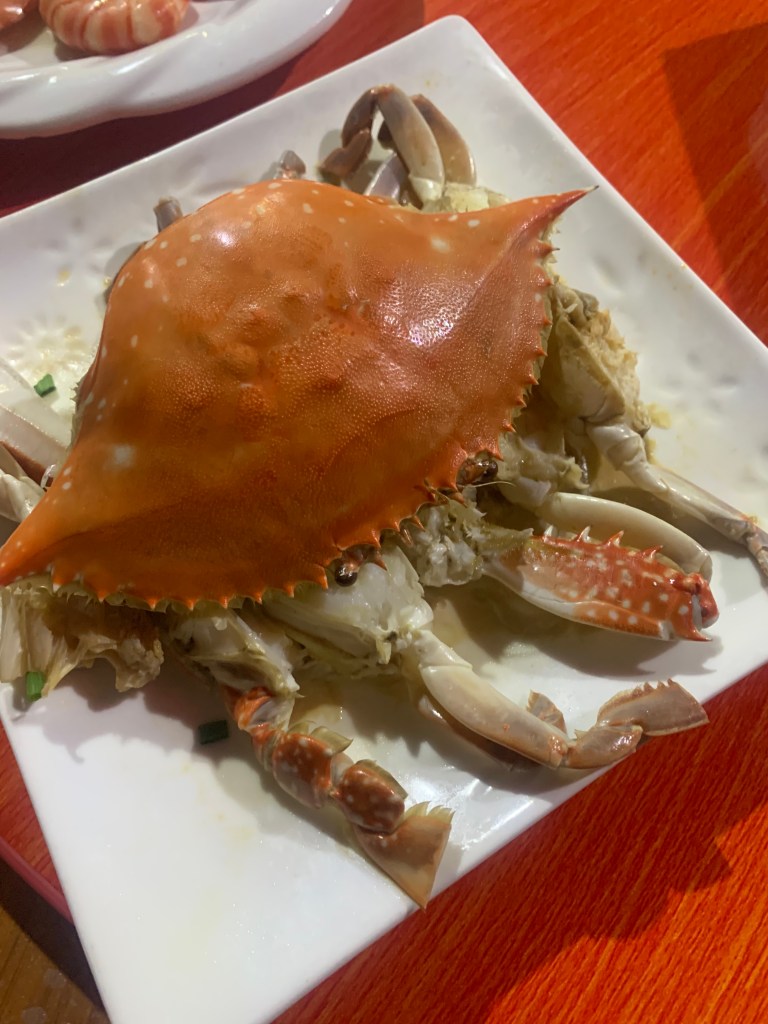
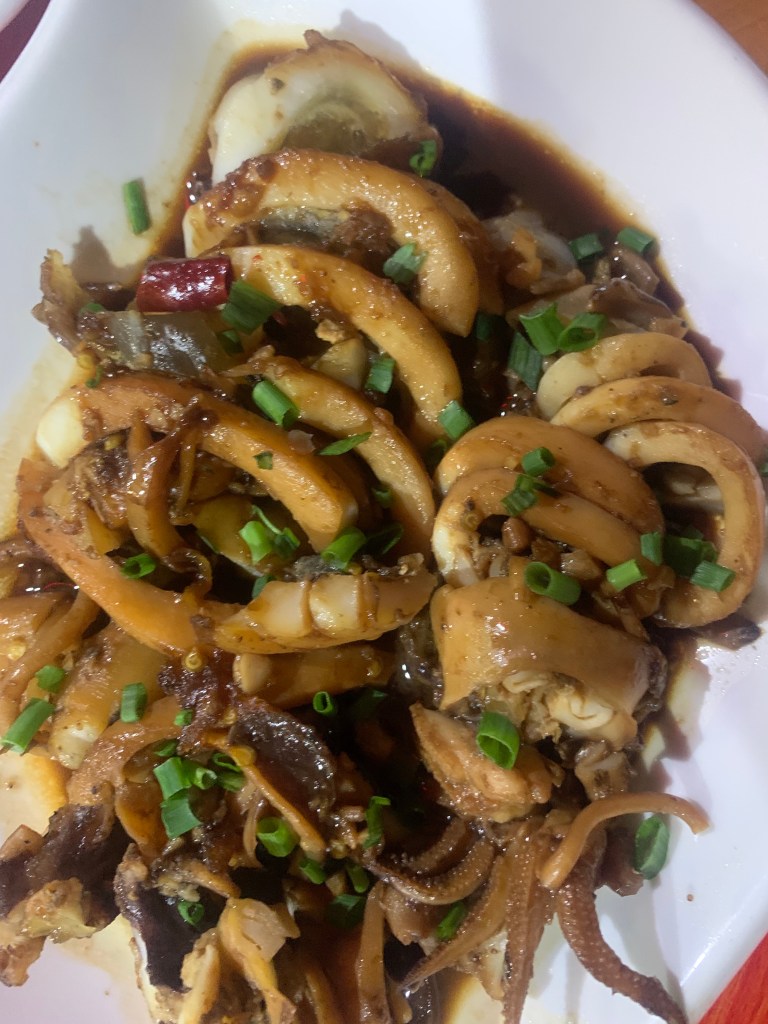
After an exciting day of exploring the Bulang village, we headed back into town and ate a delicious dinner full of Yunnan specialties. Being able to taste all of the different kinds of foods has been one of the most exciting (and, sometimes, challenging) parts of visiting so many different Chinese provinces. Exhausted from the day, after dinner Michael and I headed back to the hotel to get some rest before the next day’s adventures.

As I mentioned in my previous post, Xishuangbanna is known primarily for one delightful feature: elephants! As the only area of China where you can find wild Asian elephants, much care and attention has been put into their preservation and wellbeing. We spent our morning learning about and observing these fantastic creatures at the 野象谷公园 Wild Elephant Valley Nature Reserve. A small rescue and research center in the middle of a much larger nature reserve, Wild Elephant Valley hosts about 30 rescued elephants and plants tasty trees and plants for about 300 wild elephants who are free to roam the protected area as they choose. (This is where the herd of wandering elephants from the news a few years ago were from!)
Now, I will admit I was skeptical at first, as I would be about any animal park. I do not condone wild animals being held in captivity, and often abused, to “perform” for humans and I knew that many parks like this are guilty of that. When visiting Zimbabwe a few years ago, I went on an elephant-back safari which at the time felt really cool, but I do not think I could do in good conscience anymore. Though I initially found some information online about elephant performances at this park, from what I saw when I was there and the information my tour guide provided, I do not believe those performances are happening any more. All of the resident elephants at Wild Elephant Valley have been rescued, and they work to be able to release many of them back into the wild. Most of the park is just a protected area where wild elephants can roam freely, coming and going as they choose. There was a heavy emphasis on protecting and preserving these last wild elephants living in China; the park was primarily focused on education rather than a show-and-tell, or so it seemed to me. There are many tourist attractions in China that give me pause or make me skeptical (there’s a reason I haven’t been to the zoo…) but I felt good about Wild Elephant Valley after visiting. (I told Michael that if there was an elephant show I would pointedly refuse to attend. I am glad I didn’t have to.)

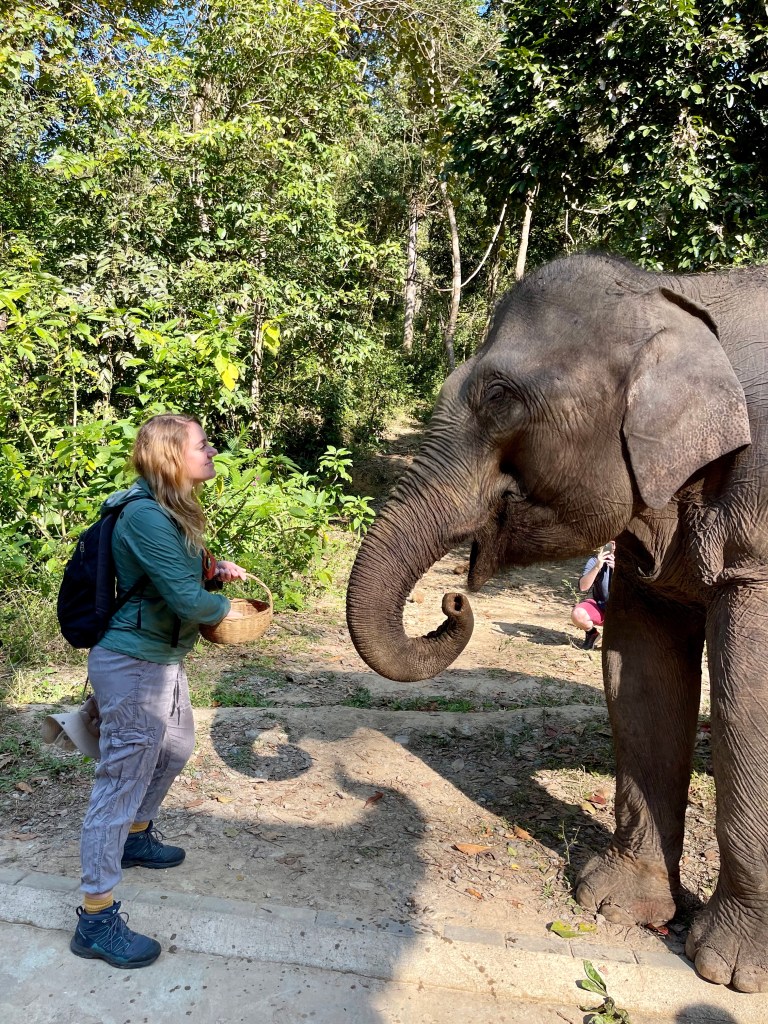
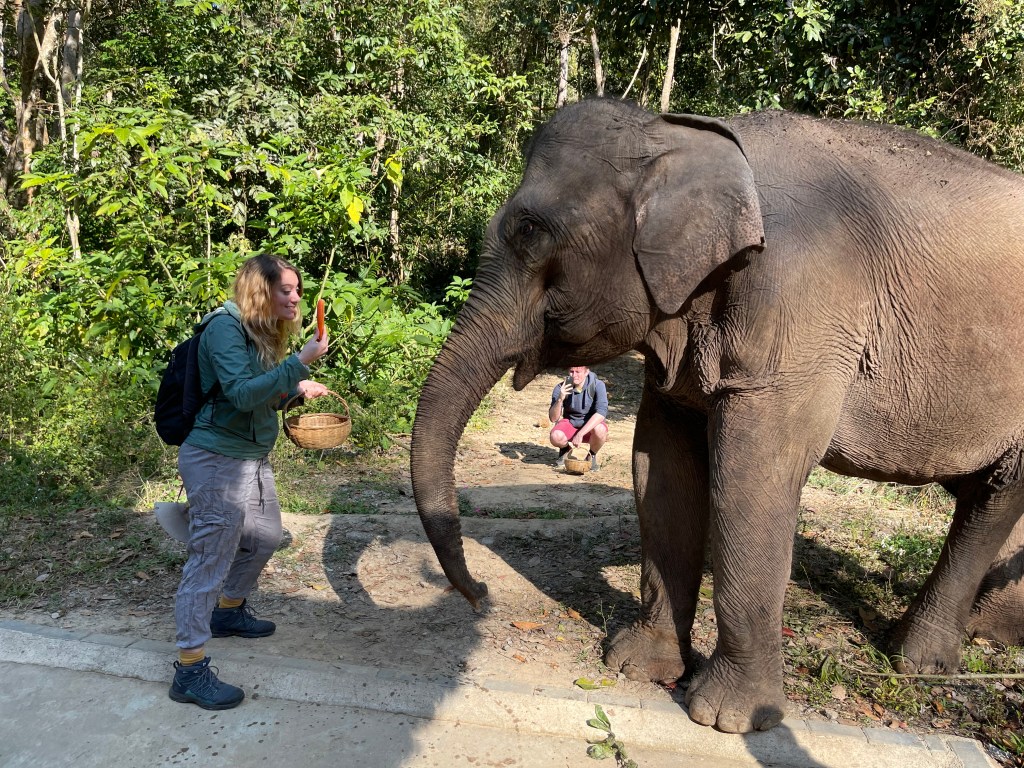
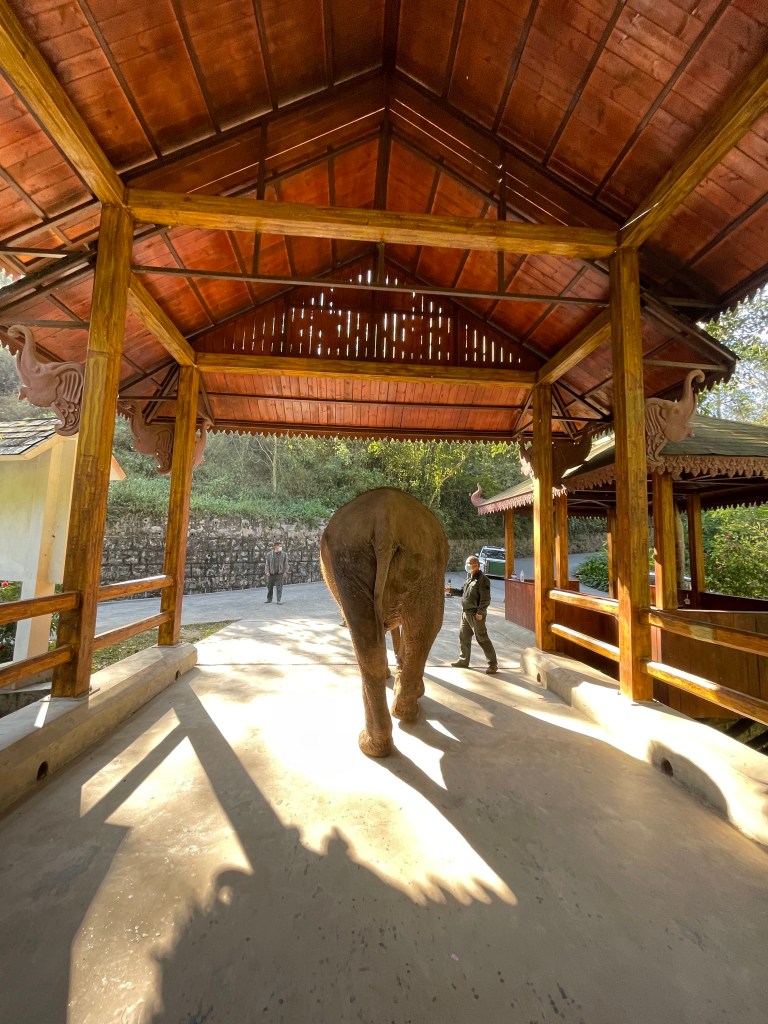
When we first arrived, our tour guide was able to arrange a special encounter for us with Ma Li, this sweet and silly 30-year-old rescue. We were able to follow along with her caretakers as they went on one of her daily walks through the rainforest. We were instructed to keep a safe distance during the walk, and eventually we stopped in a clearing and were given a chance to feed her some carrots. Though I’d interacted with African elephants before in Zimbabwe (and I’m pretty sure I saw some in a circus when I was younger, yikes) there is truly nothing like sharing a moment with these incredible creatures – it never gets old. Though I kept my distance with the intention of keeping her as comfortable and safe as possible, Ma Li was not shy at all — she came right up for snacks and head scratches. And oh boy was she excited about those carrots!


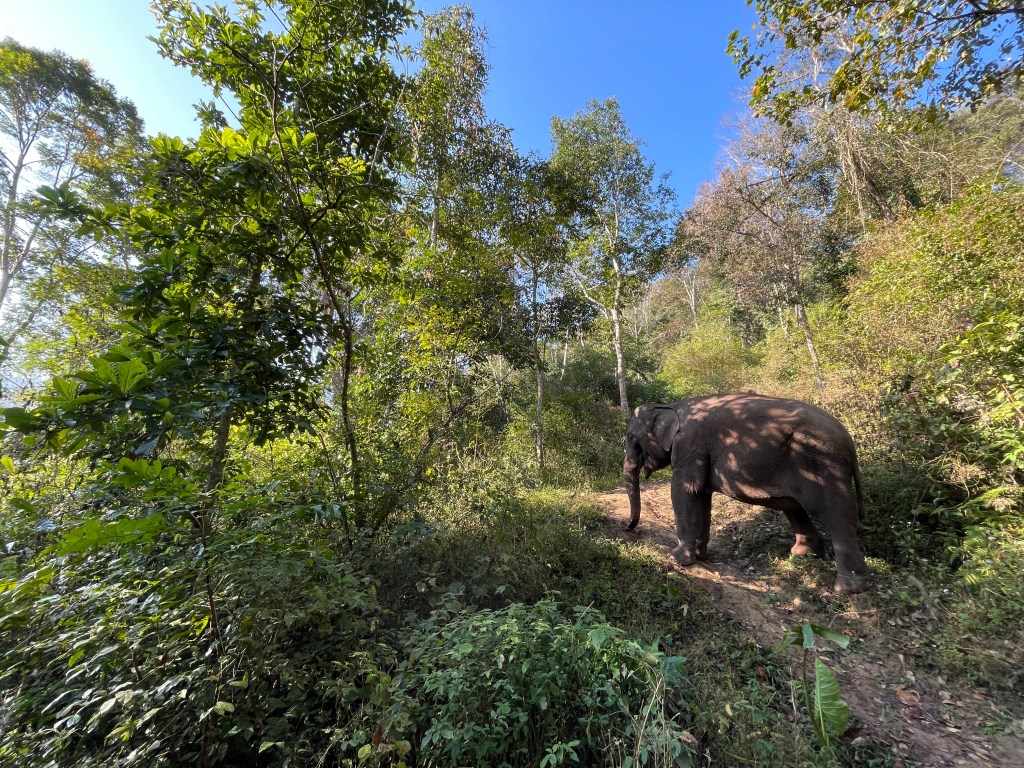
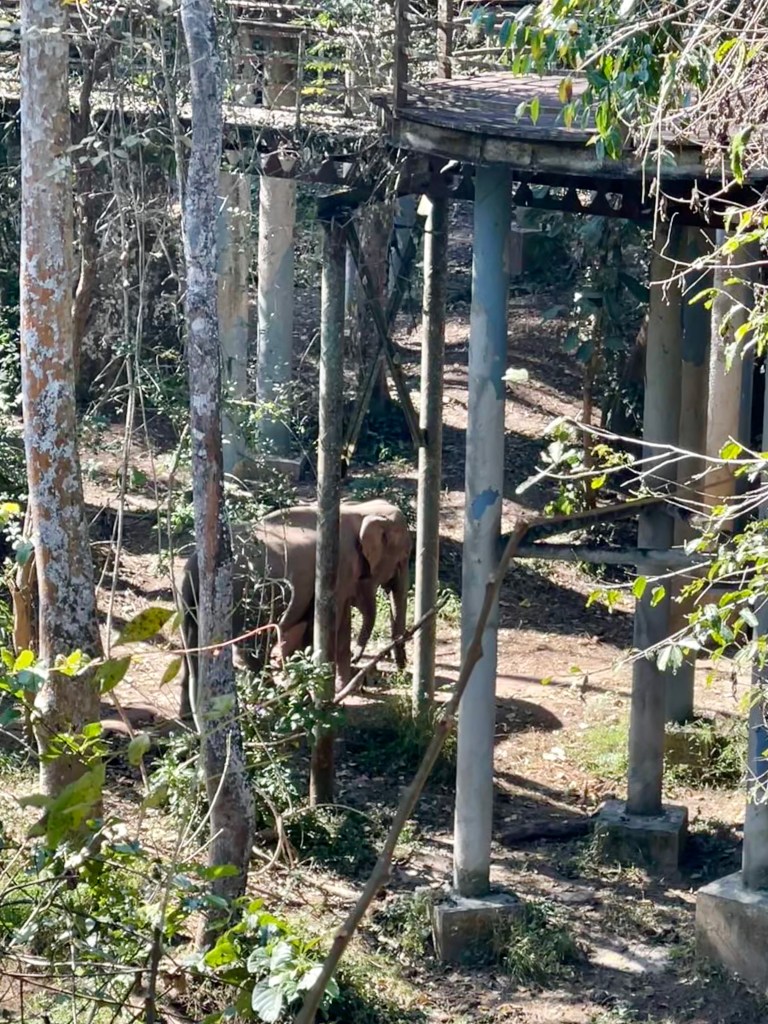
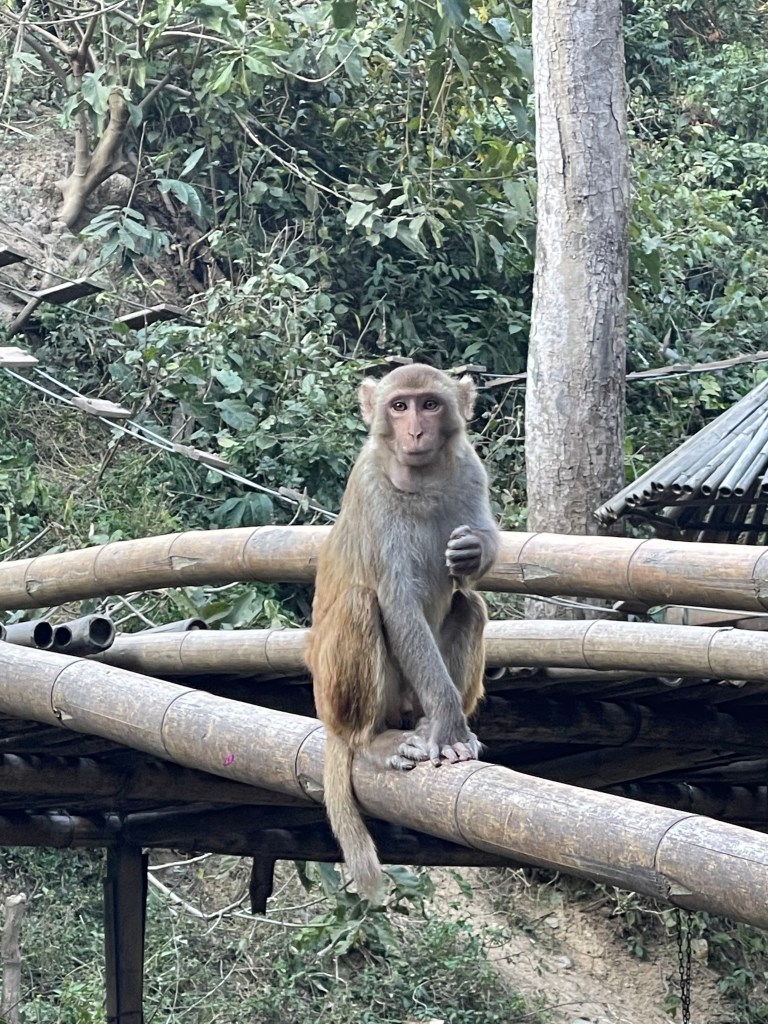
After our private encounter, we went back to the main part of the park to tour the Asian Elephant Museum and explore the Elephant Observation Elevated Walkway. The elevated walkway is 2,280 meters long, allowing guest to walk high above the park, hoping to get a glimpse of some of the wild elephants as they wander through the forest. We were quite lucky — we ended up seeing 7 wild elephants as we walked! (Plus a few VERY cute monkeys.)


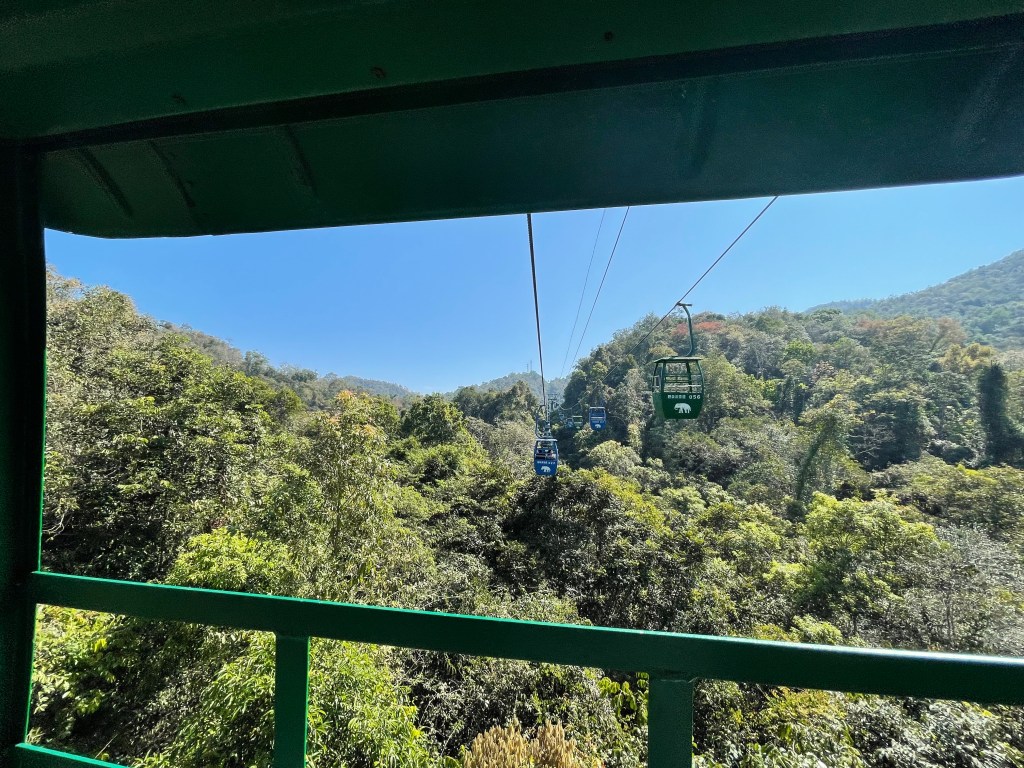
After leaving the Wild Elephant Valley, we drove over to the 西双版纳原始森林公园 Xishuangbanna Primitive Forest Park. Also known as the Primeval or Virgin Forest Park, the Primitive Forest Park covers an area of over 16.5 square kilometers, 98% of which is covered by trees, and has been named by the Chinese National Geography magazine as one of China’s top ten most beautiful forests.
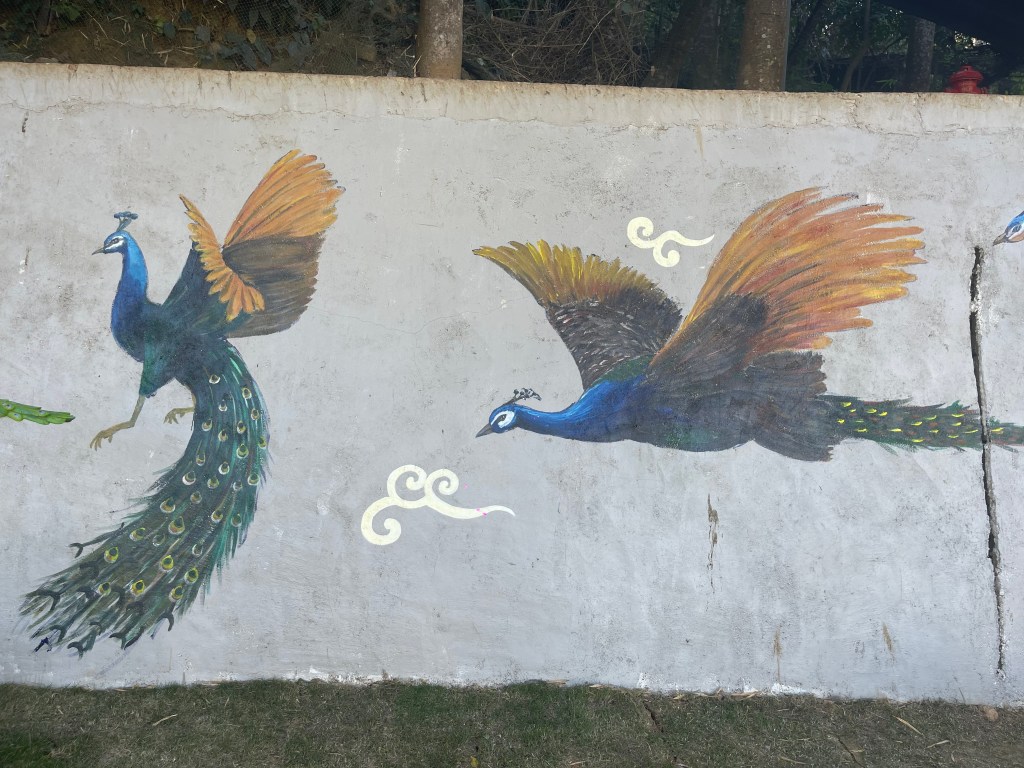
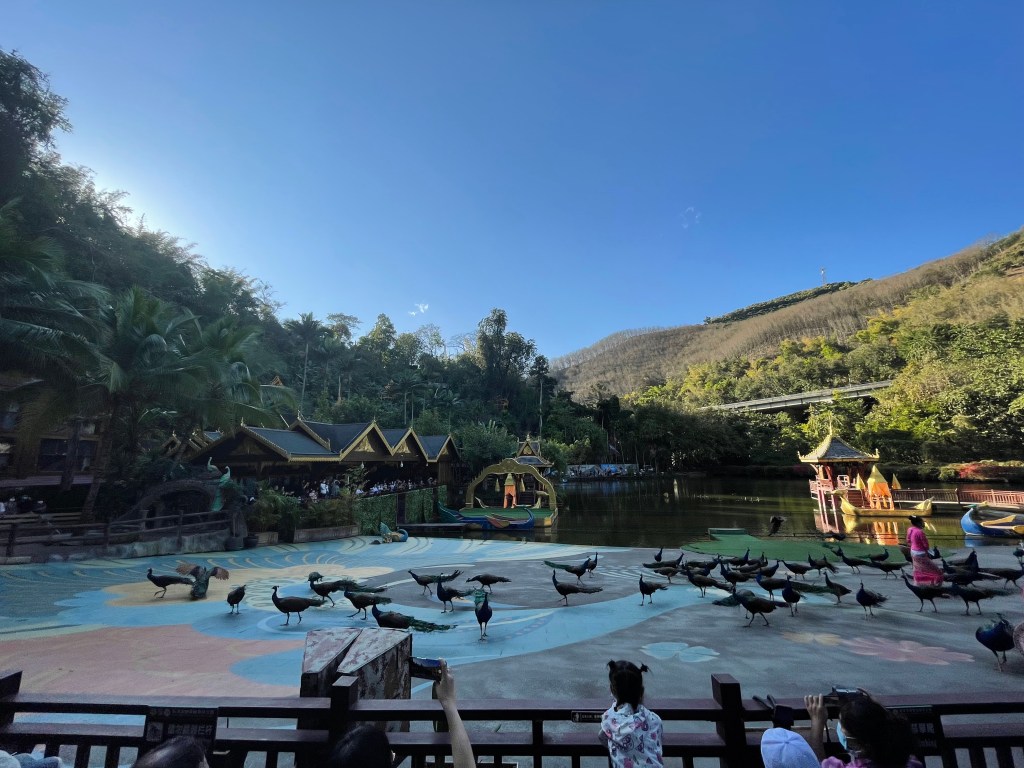
While there, we made our way to the outdoor theatre to see the Legend Between Prince and Peacock Princess show followed by the Flight of the Thousand Peacocks. (Is it even a Chinese tourist site if there isn’t a romantic dance show about a prince falling in love with a magical fairy animal that turns out to be a beautiful princess?) After the brief performance, one thousand peacocks (or so they say) are released from up in the hill; they then fly down over the lake and land just in front of the audience where they can be fed and taken pictures with. Also: yeah. Peacocks can fly. Which I guess I probably knew, but, still.


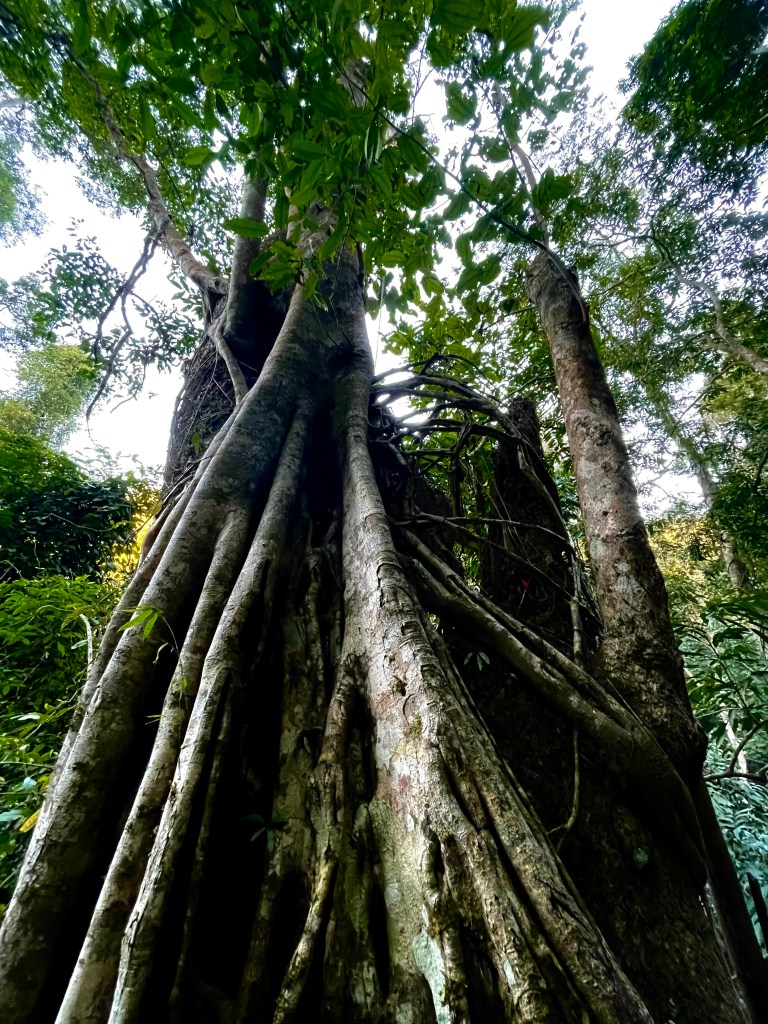
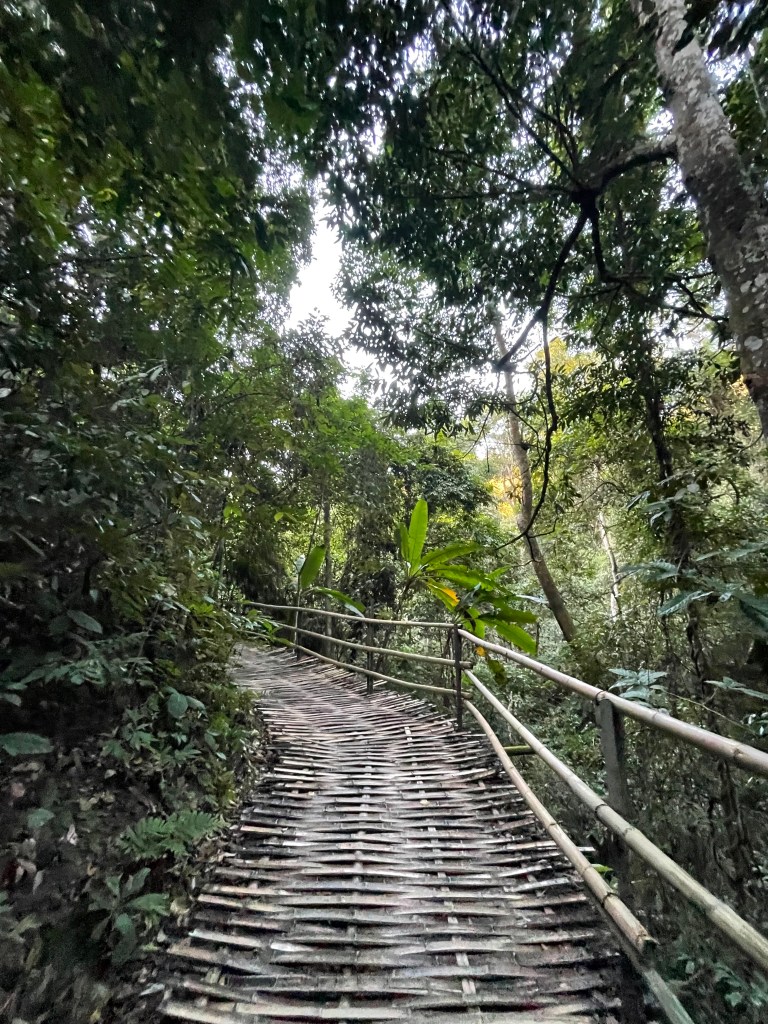
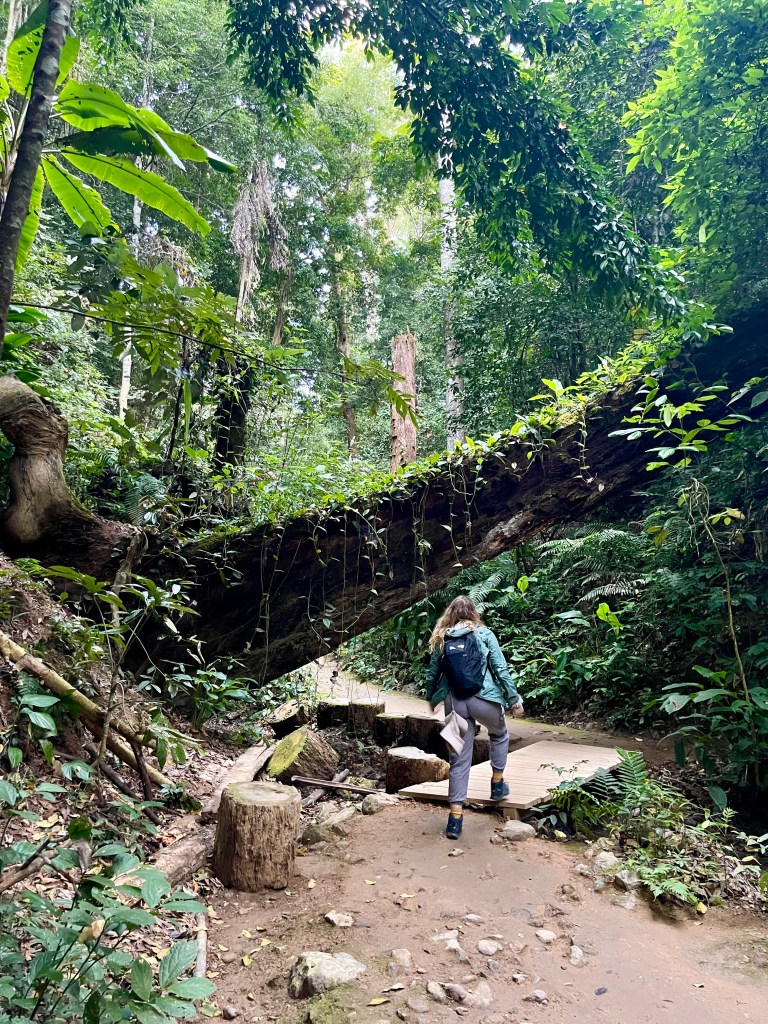
After the peacock show, we headed up into the rainforest proper for some hiking and exploring. This was my favorite part of the park. (We have yet to get to Michael’s favorite part… I’ll let you know.) We were able to walk through paths that took us up and gave us a better view of some of the incredible trees and plants growing here. Oh yeah, and there were trees that have been classified as dinosaur era living fossils. DINOSAUR TREES, I REPEAT, DINOSAUR TREES.


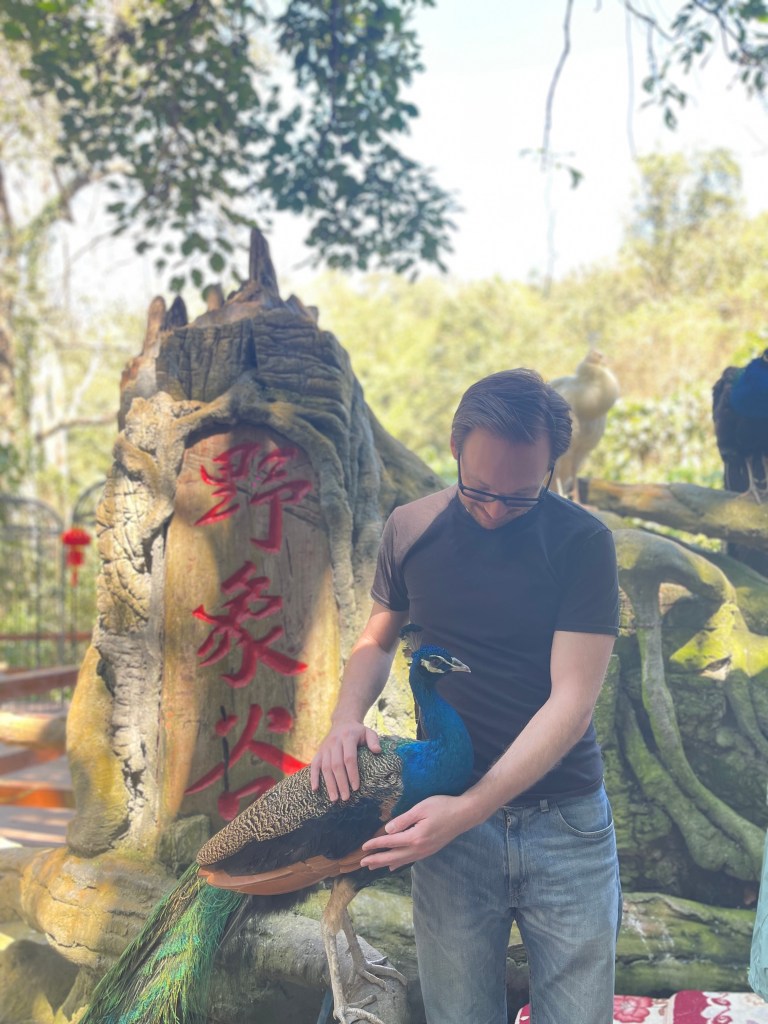
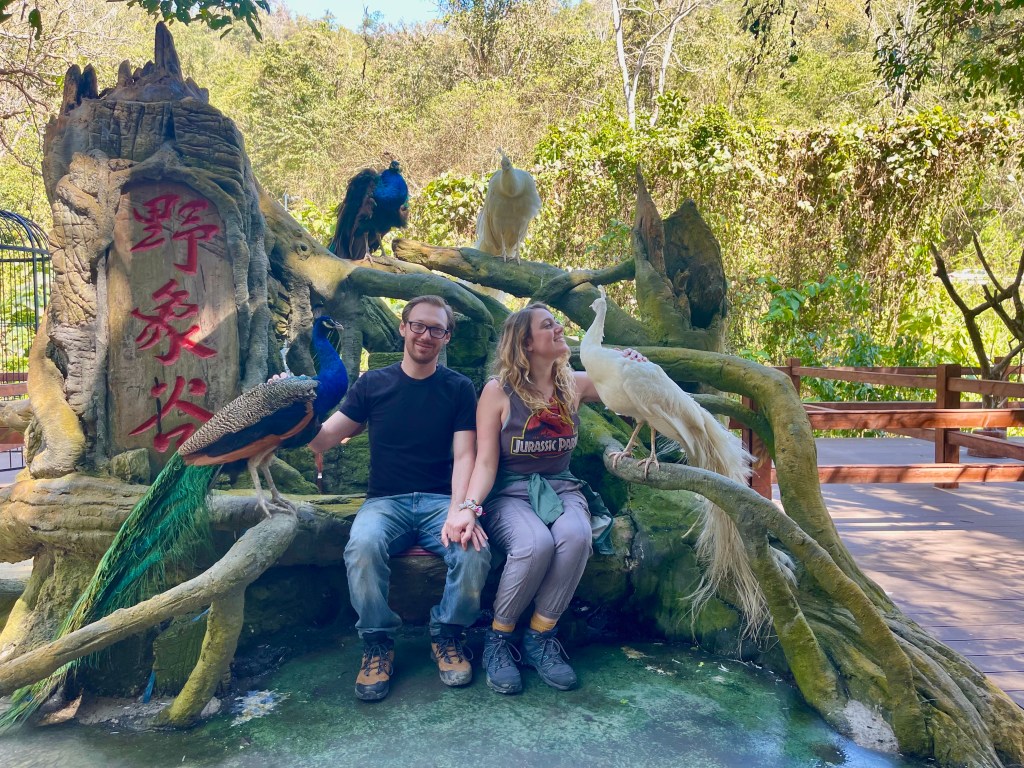
And then, as we were nearing the end of the park, there was an area for a peacock photo opportunity, because, well, China. Everything needs a photo op. So we obviously paid the 20 kuài to go hang out with peacocks. Come on, now. (And yes, THIS was Michael’s favorite part. Just look at his prom picture with that peacock. Pure joy.)

As always, thanks for reading along. I know I am notoriously bad at keeping any kind of a consistent posting schedule and regularly am at least 6 months behind in writing about my travels, so it means a lot to know that there are people following along and wondering what I’m up to. If you ever have any questions, or want to hear more about something, please feel free to reach out – I would love to hear from you. Until next time!



























































































































 Adventure in the Great Wide Somewhere