After heading back to Shanghai from Hainan (we’re time traveling back to August of 2022 for this post as I continue to work towards catching up!), we assumed our holiday travels were done for the summer as restrictions and limitations due to the pandemic were still pretty prevalent. But then, with a few weeks left before we had to be back at school, another province opened up to travelers from Shanghai. A new part of China I’d not seen and an opportunity for a few more days out exploring?? We booked the 5-day trip with a tour company we loved using, and headed out to . . . Ningxia!

宁夏 Ningxia, or, more accurately, the 宁夏回族自治区 نِئٍثِيَا خُوِزُو زِجِکِیُوِ Ningxia Hui Autonomous Region, is located in what China considers the northwestern region of the country (though, if you look at the map above, it feels pretty central to me). As I’ve mentioned before, China has five autonomous regions: areas with a large population or significant history of an ethnic minority. Though they do not have the legal right to secede, they are allowed their own local government and a greater degree of legislative rights. (This trip to Ningxia would bring me to my fourth of the five autonomous regions – I’ve seen Xinjiang, Inner Mongolia, Guangxi, and now Ningxia; once I get to Tibet I’ll have been to all five!) Ningxia is the smallest of the autonomous regions, with a population of around 6 million, and yet 20% of China’s Hui population lives in Ningxia! This relatively-dry desert region served as a trading point on the ancient Silk Road, connecting China’s central and northwestern regions, and later primarily focused on animal agriculture before diving into its new specialty: winemaking.
Additionally, Ningxia is the home to some really incredible history within China; the earliest human activity in Ningxia can be traced back to 30,000 years ago! Ningxia was also a major hub for trade and transportation during the Tang and Han Dynasties (206 BC – 907 AD) and was the core area for the great Western Xia Dynasty from the 11th to the 13th century, ruling over northwestern China at the time. It can be pretty overwhelming, honestly, to travel around and learn about different areas in China just trying to comprehend the depth of history in some of these places. Trying to keep up a mental timeline that spans so much further than anything my little United-States-trained brain can even begin to imagine has been both mind-boggling and awe-inspiring. So, knowing very little about this part of the country we’d never even heard of, Michael and I set off to learn and explore!
We flew into 银川市 Yinchuan, which means “silver river,” where we’d be staying as a home base during our trip. Located on the Yellow River, Yinchuan is the capital of Ningxia and is a significant spot for Chinese Muslims as the capital of the Hui autonomous region. Every other year, Yinchuan hosts the China-Arab States Expo which serves as a platform for sharing opportunities and strengthening economic and trade ties between over 30 Chinese and Arab countries. Yinchuan has served as an important site during many historical periods, throughout multiple centuries and dynasties. Just to attempt to put the expansiveness of the history of this place into your own mental timeline: Yinchuan is home to China’s earliest Paleolithic site, with evidence from inhabitance over 30,000 years ago in the Old Stone Age. That is . . . incredibly hard to comprehend and also so cool. We’ll be moving in and out of various dynasties and moments in history throughout these next few blogs, so try to keep that mental timeline up and working, and I’ll do my best to put everything into context!
Without any major plans for our first day there, Michael and I did what we do best: went exploring for new local foods to try! We found a street near our hotel with a bunch of food stalls, and our favorite thing we tried was an amazingly crispy “golden beef patty.” (I have tried and tried to find the Chinese name for it, but I’m coming up empty!) It was like a juicy yummy beef patty, but then instead of just fried dough around it, it was almost as though it was wrapped in like…fried spaghetti noodles. Or the dough had been pulled into long thin strips before being wrapped around the beef? Either way, it was fantastic. After wandering around Yinchuan familiarizing ourselves with the city, we stopped at a restaurant our guide had recommended as a place to get some Ningxia classics for dinner. There, we were able to try 手抓羊肉 hand-grabbed mutton, a famous local dish with a history going back a thousand years. A traditional flavor of the Hui people, this dish is made with sheep ribs that have been stewed for a long time, until the meat is incredibly tender and fragrant, then dipped into a sauce before eating. Michael absolutely loved the mutton, and we enjoyed getting to try something so traditional on our first day there!


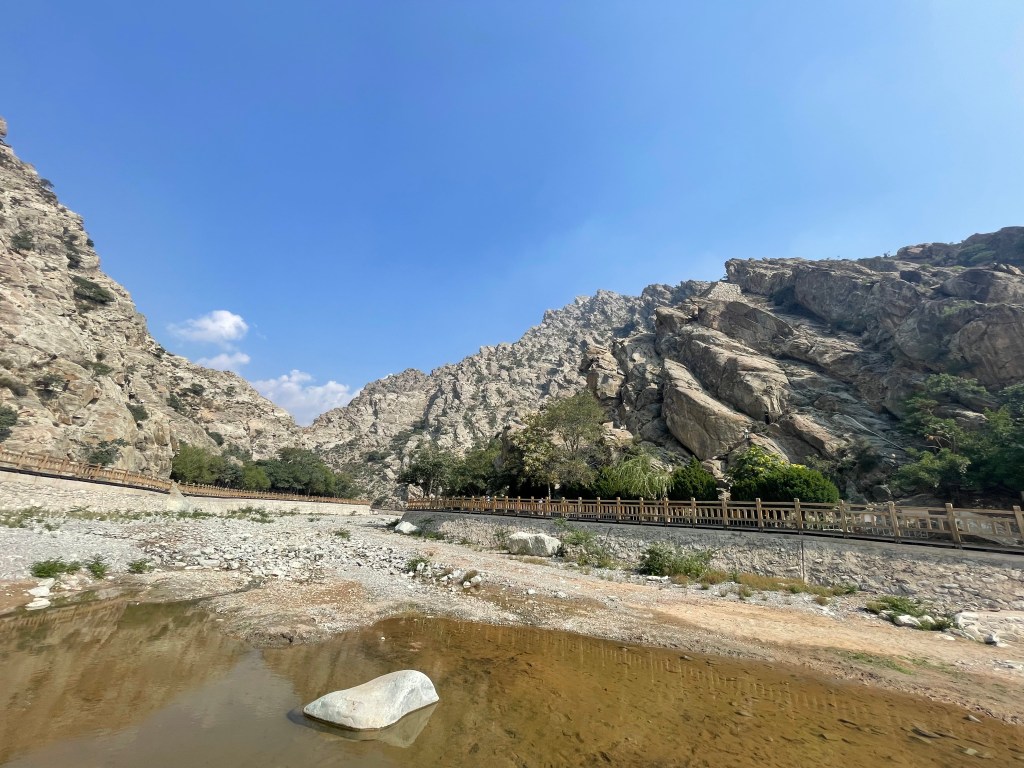
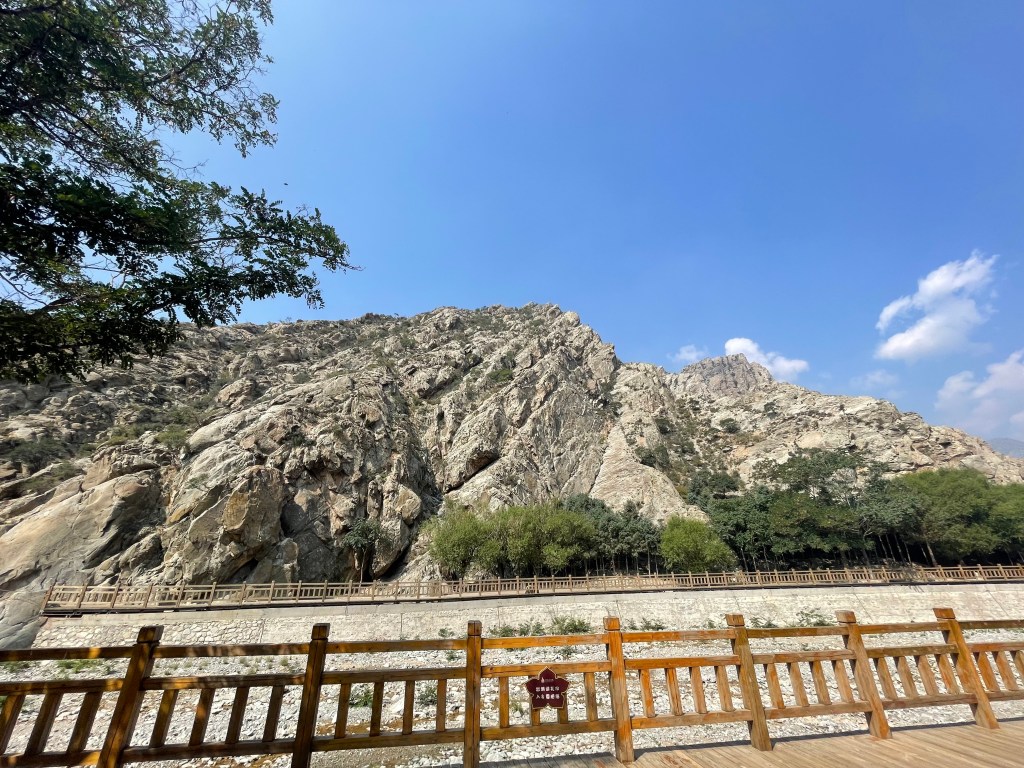
The next day, we prepared for a long, full day of history and culture (in probably 100 degree heat). First, we started by heading into the 贺兰山 Helan Mountain, an important geographical boundary between Ningxia and Inner Mongolia. The highest mountain range in the region, Helan provided a barrier against sands and desert winds as well as invaders, helping to provide Ningxia with the nickname of the “Oasis Beyond the Great Wall.” Many of China’s early northern nomadic tribes lived among these mountains, leading to much of the cultural significance nowadays.
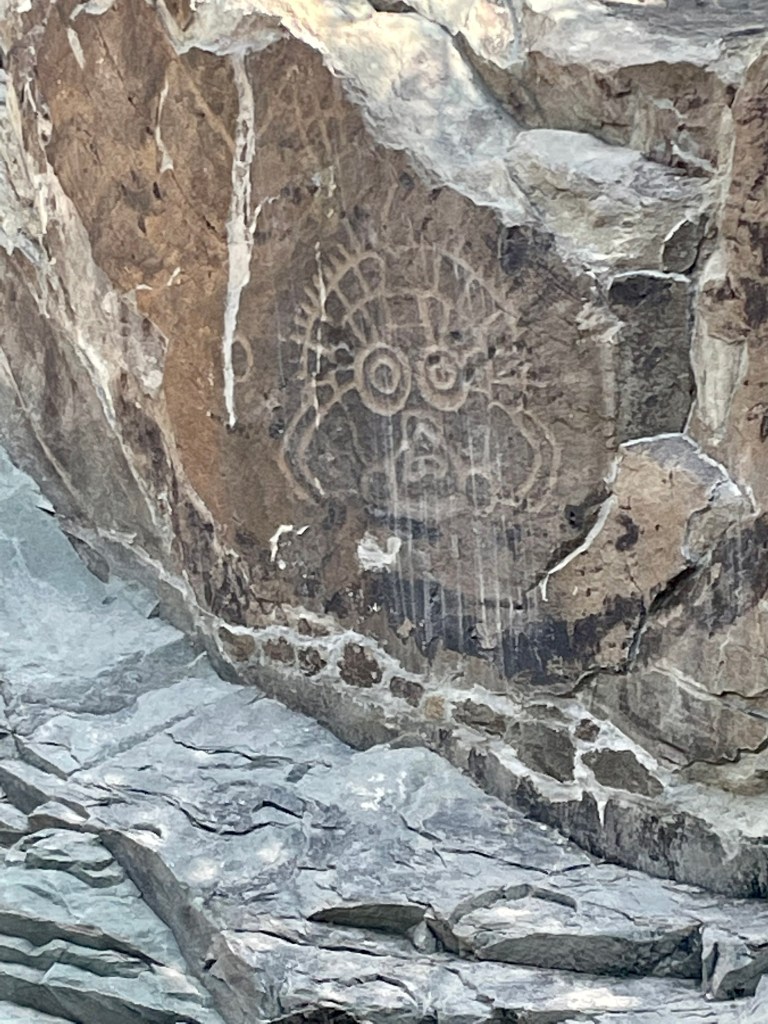
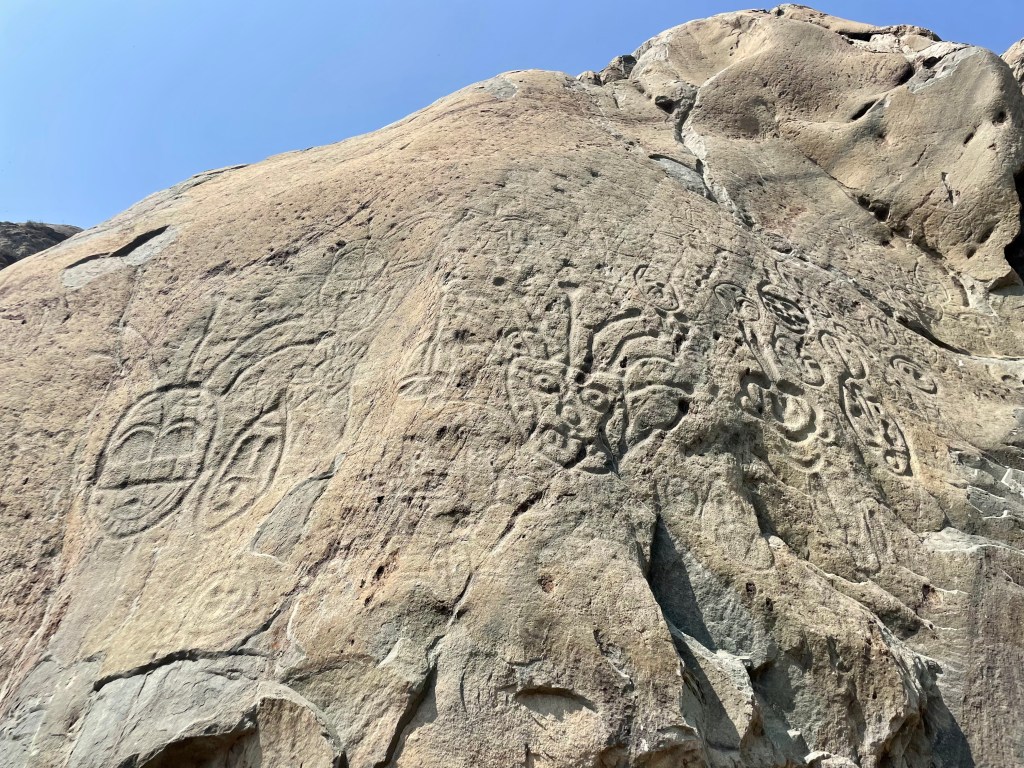
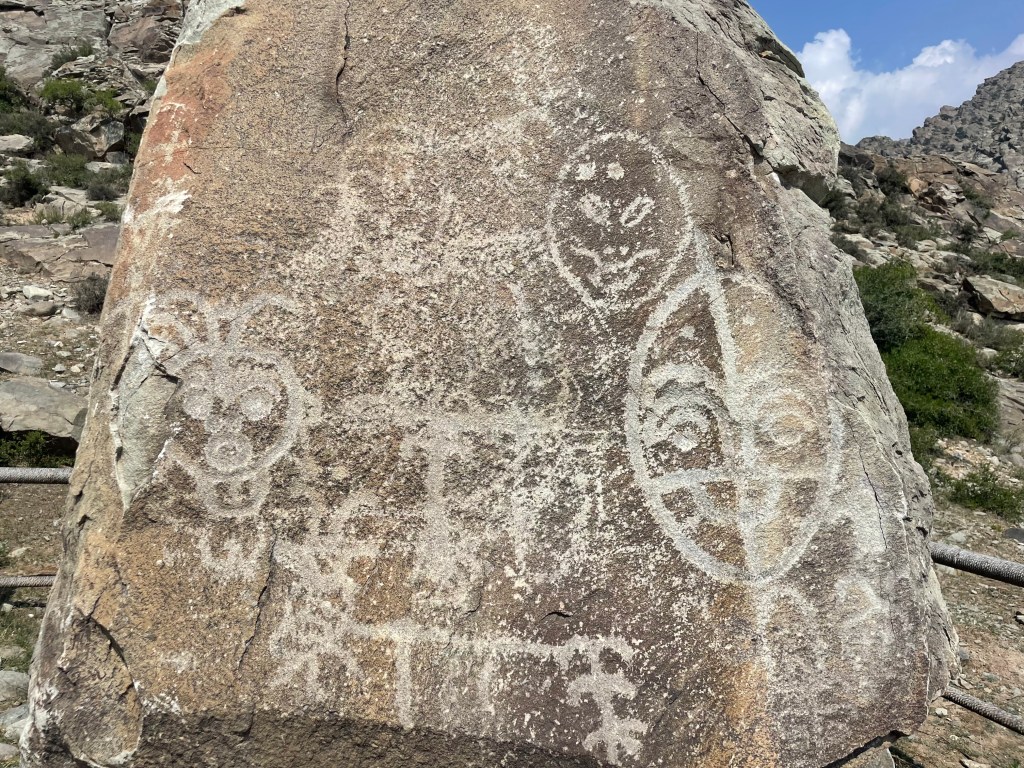
Our first stop was to go and see the 贺兰山岩画 Rock Paintings of Helan Mountain. These petroglyphs, created by removing the surface of the rock through picking or carving to form patterns or designs, were created between 3,000-10,000 years ago (put that on your mental timeline!) and provide a glimpse into the local people’s lives at that time. Images of animals, human figures, shaman masks, hunting tools, and more can be found etched into the stone in these 20,000 petroglyphs, offering a look at these early civilizations’ beliefs, customs, and daily lives. We walked through the mountain pass with our guide, looking at these incredible “rock paintings” from so many years ago.
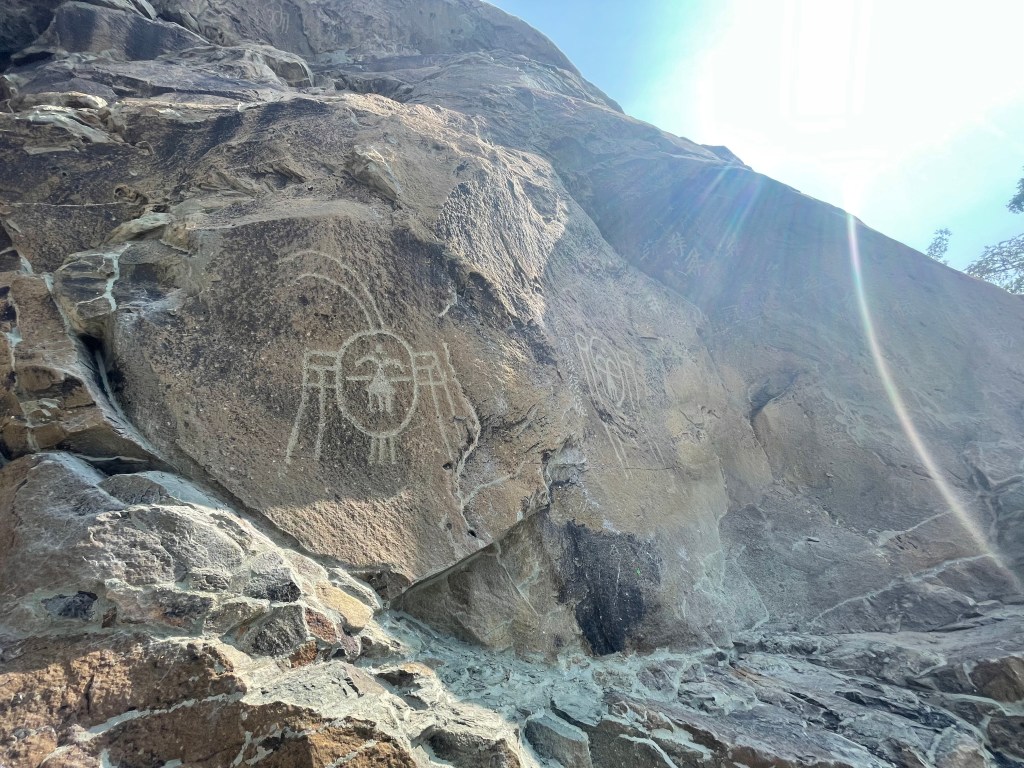
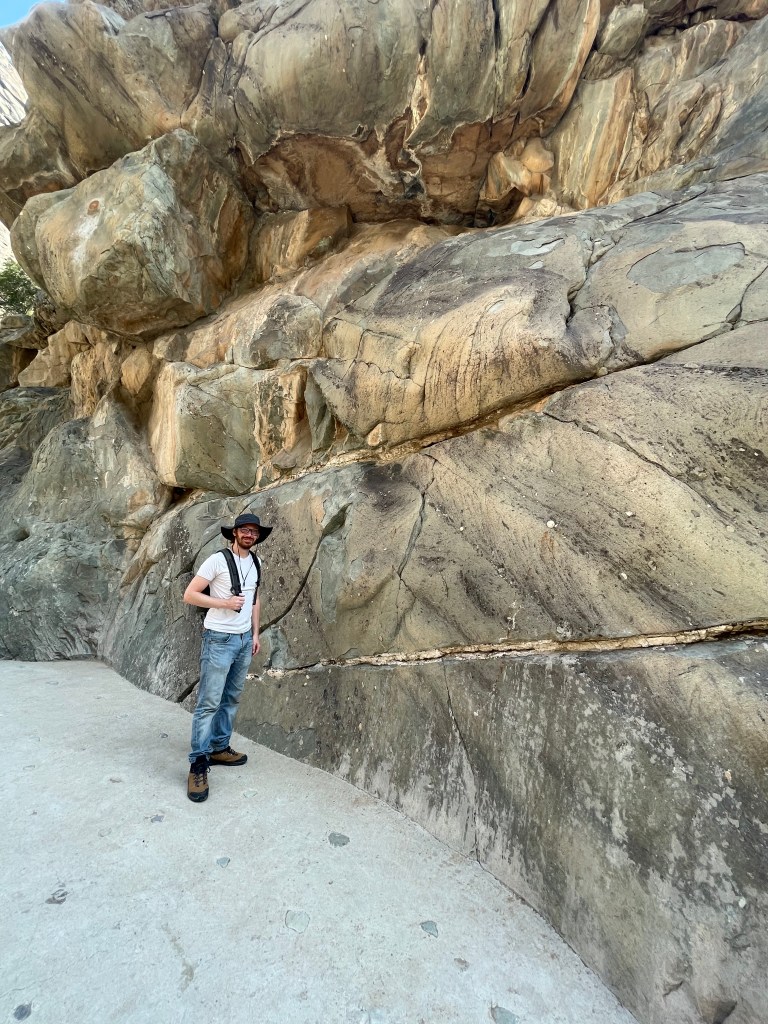




One of the most famous petroglyphs in Helan Mountain is that of the Sun God; depicted with double ranged eyes, long eyelashes, and a halo representing the light of the sun, this petroglyph is believed to be one of the oldest in the area. It is carved significantly higher than the other rock paintings, closer to the sky and the sun it embodies.
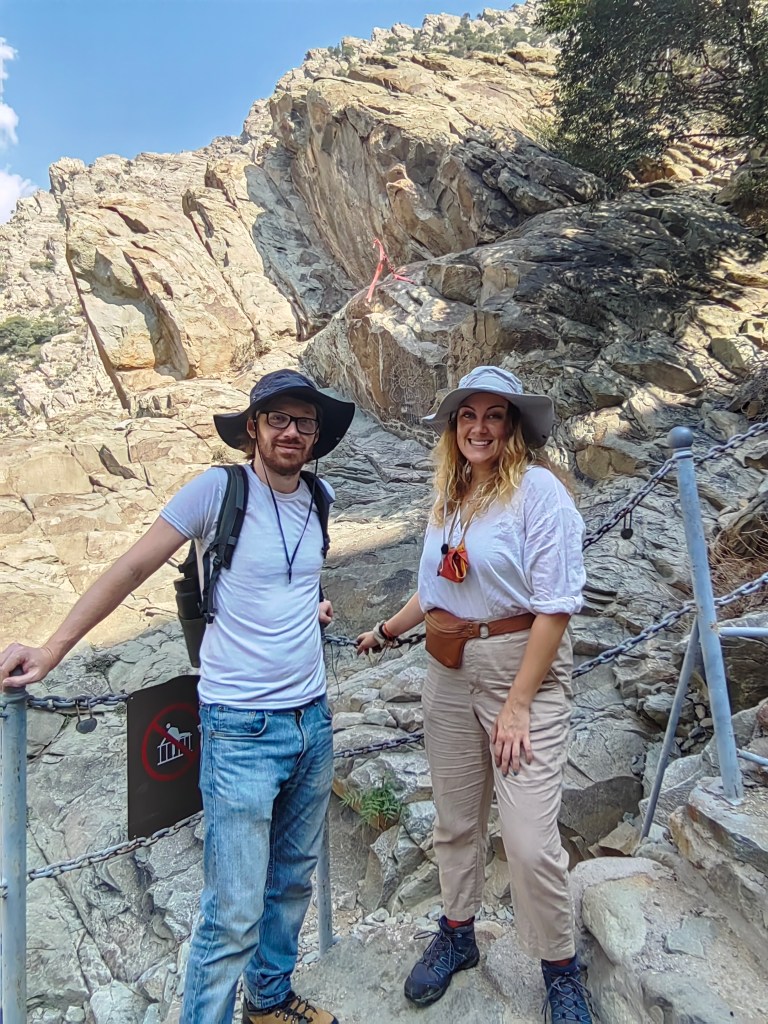
It can be a really powerful thing, walking through these echoes of the past and thinking about all of the people that came before. Especially as an artist myself, there is something so intrinsic in creating these time capsules of culture, creating art to reflect the world around you, that really makes me feel connected to humanity across time. We have always told stories, we have always used art to make sense of our lives and communicate with others. Hopefully we always will.


After leaving the petroglyphs, we moved forward several thousand years on our mental timelines to the era of the Western Xia, or 西夏 Xixia Dynasty. The Xixia, also known as the Great Xia or the Tangut Empire, was an imperial dynasty of China from 1038-1227 AD that, at its peak, ruled over more than 800,000 square kilometers (about 310,000 square miles) of modern northwestern China. While in power, the Xixia made significant achievements in architecture, literature, art, and music as well as maintaining a key point on the Silk Road trade route. When the Xixia dynasty was annihilated by the Mongol troops of Genghis Khan in 1227, most of its written records and architecture were destroyed, and so little had been held onto from this dynasty. However, just outside of Yinchuan, which was the capital of the Xixia dynasty during its rule, there remain discoveries in the largest surviving Xixia relic site and the best-preserved historic cultural heritage representing the Tangut civilization.
We first visited the Xixia Museum to learn a bit more about the ancient Tanguts and take a look at pieces that have been uncovered in the past few decades: pottery, scrolls, sculptures, and more that provide glimpses into this nearly lost civilization.
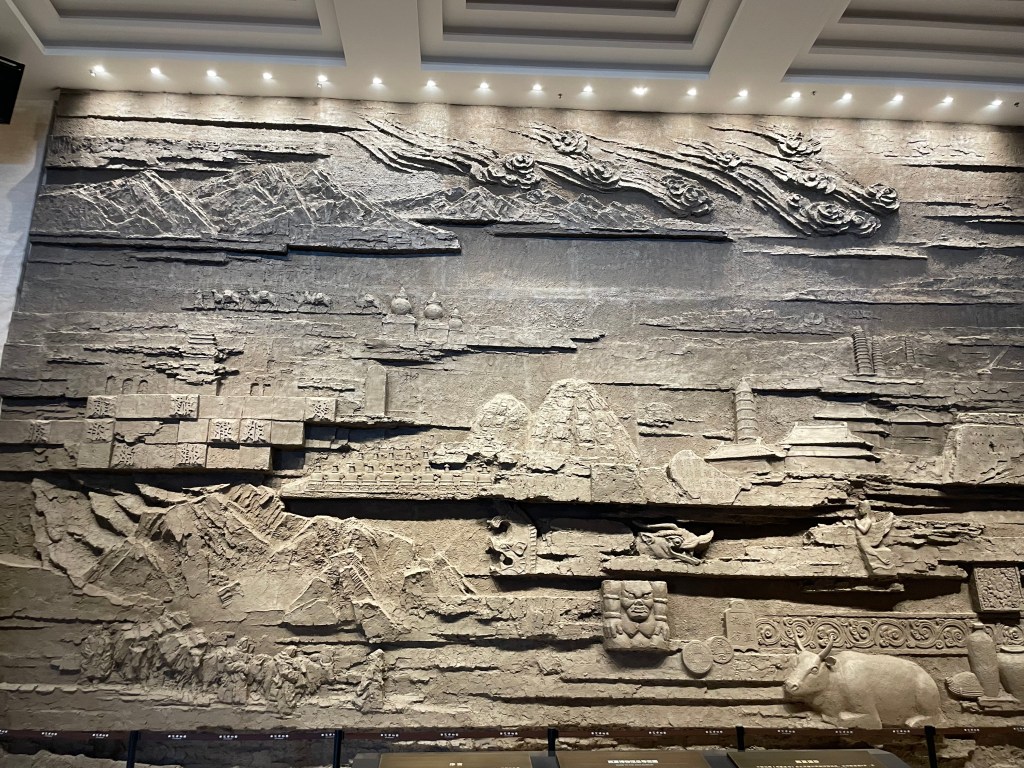

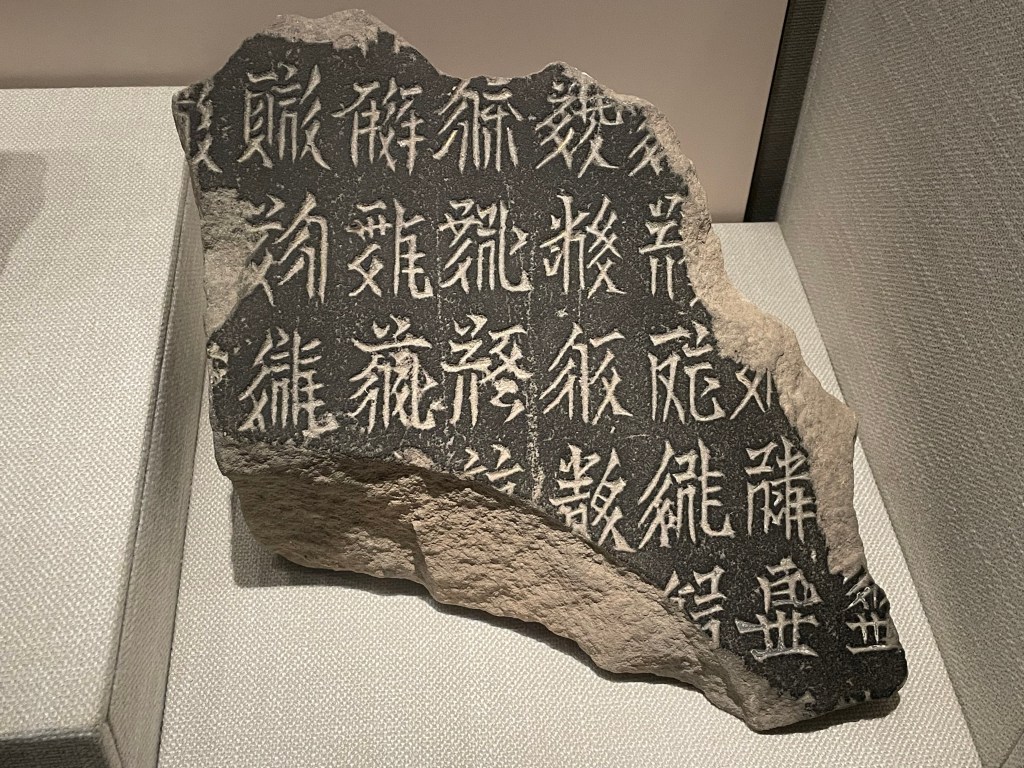
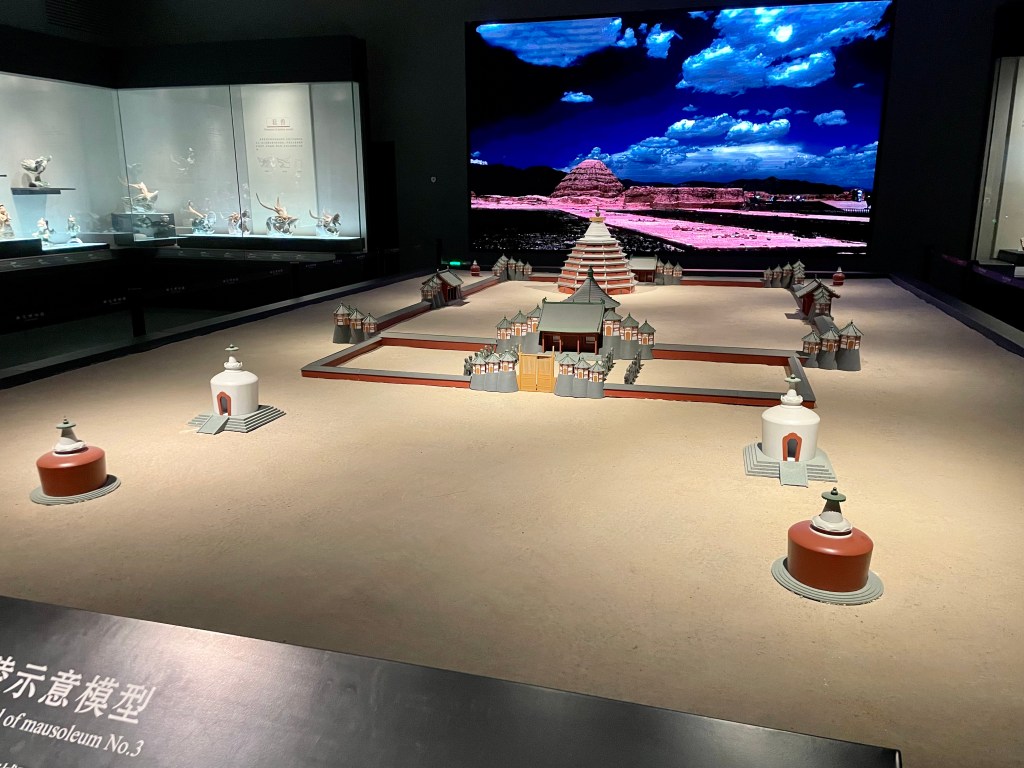
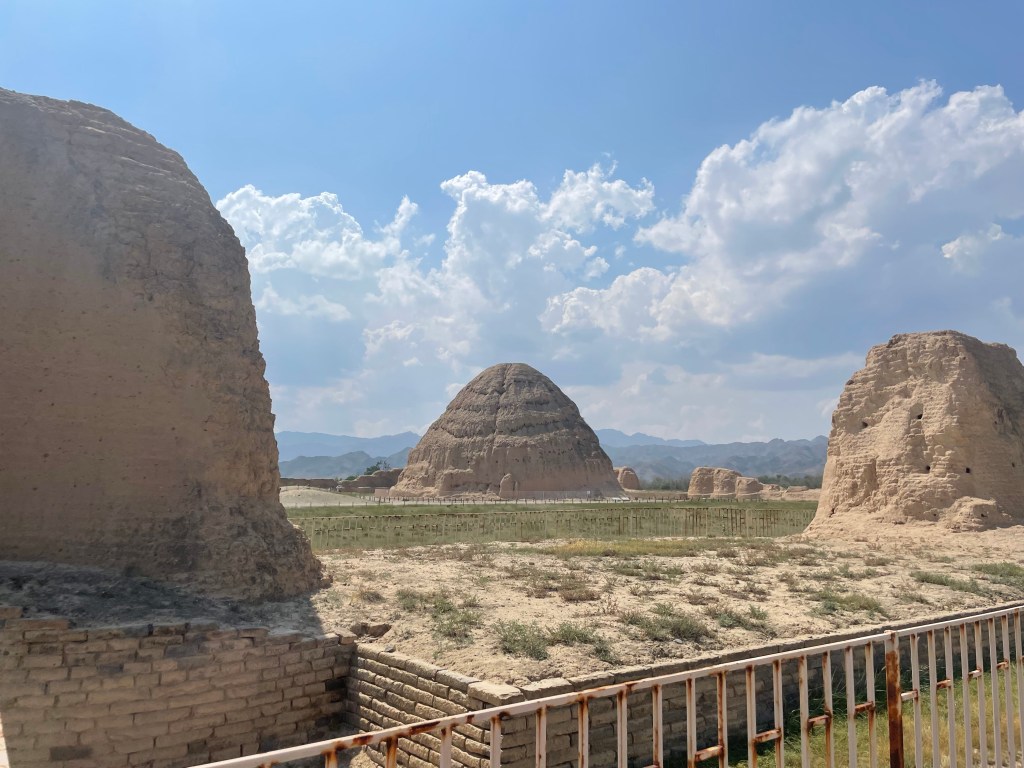
The most significant discovery, made in 1972, was that of the nine imperial tombs of the Xixia dynasty. These emperors’ tomb complexes each have a similar layout, including an outer wall, two towers at the southern gate, watch towers at the four corners, and a few other inner pavilions. The tomb mounds were each made out of rammed earth and positioned in the northwestern section of the enclosure, which would then have been covered in bricks, decorative tiles, and sculptures.
Before going out to see the tombs in person, we looked at smaller models within the museum that depicted how the mausoleum would have looked during the time of the Xixia. As you can see, the emperors would not have actually been buried in the burial mound itself, but in an underground tomb below the tomb complex. (All of which have since been emptied, likely many of them during the Mongol invasion.)
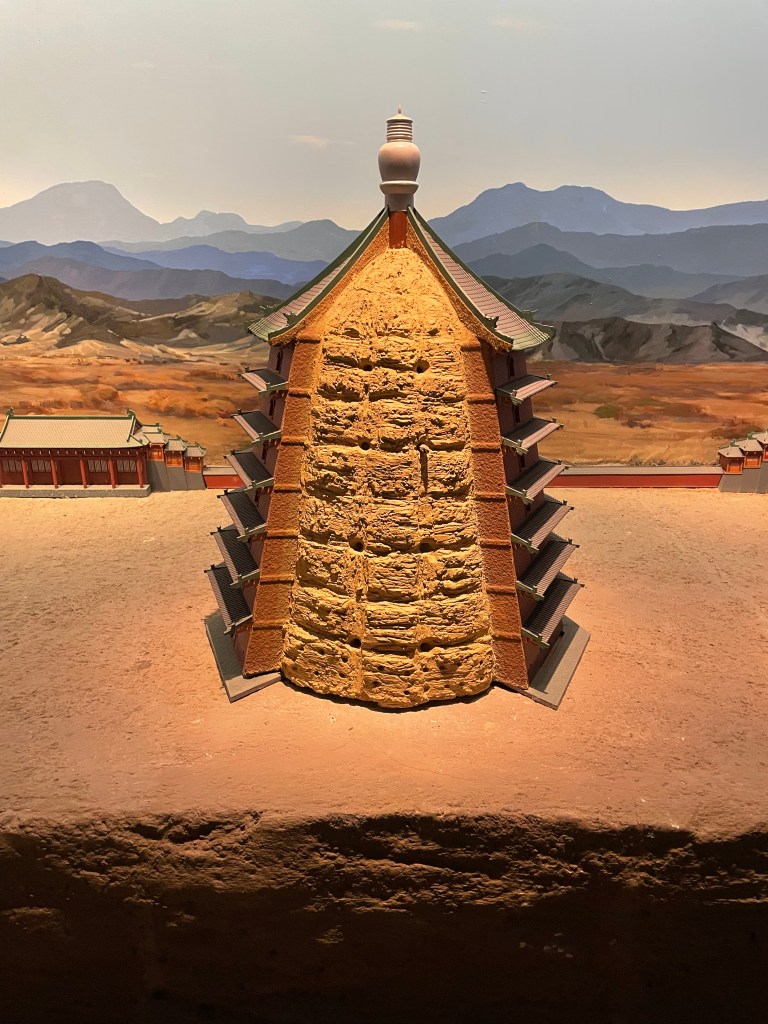
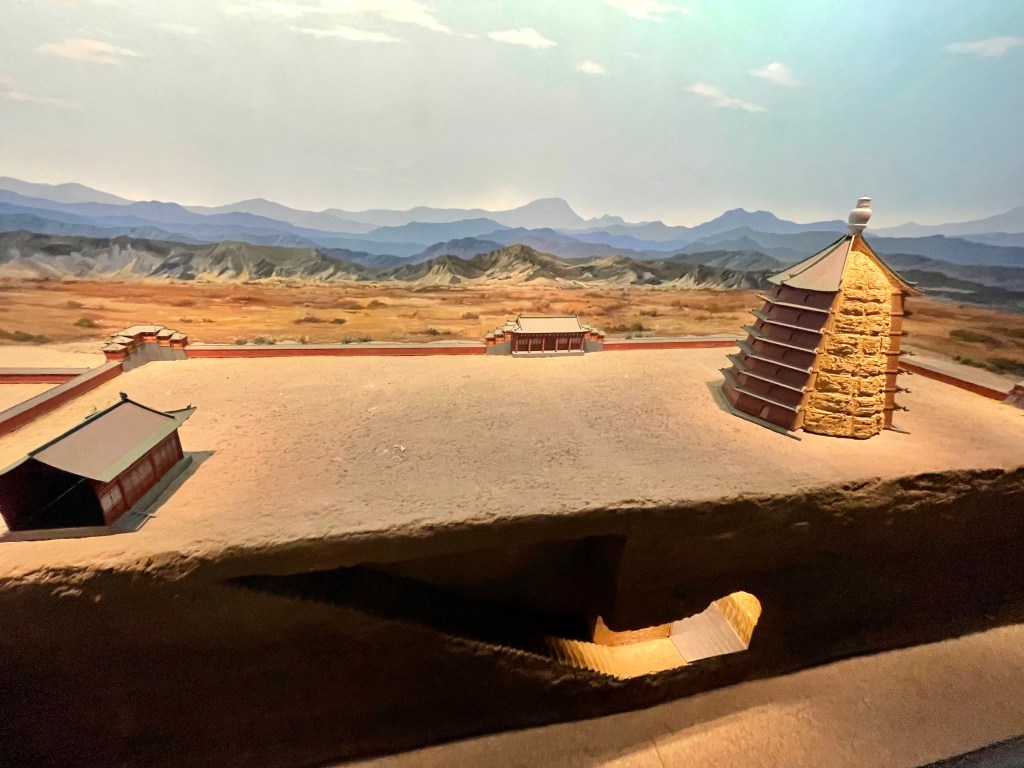
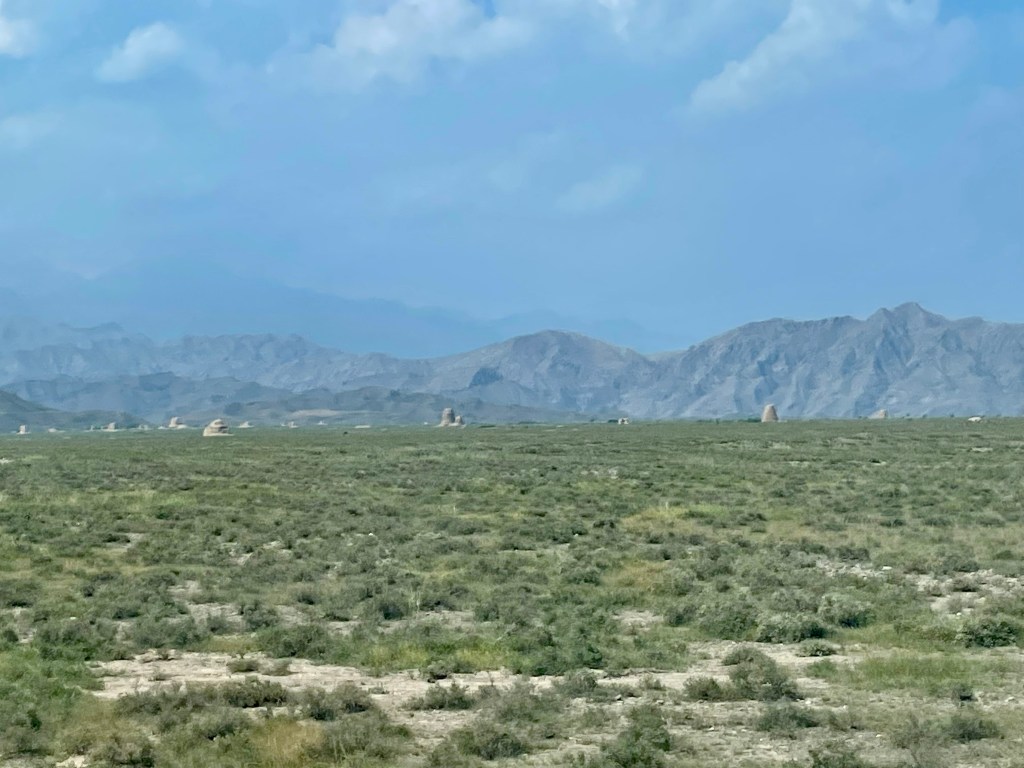
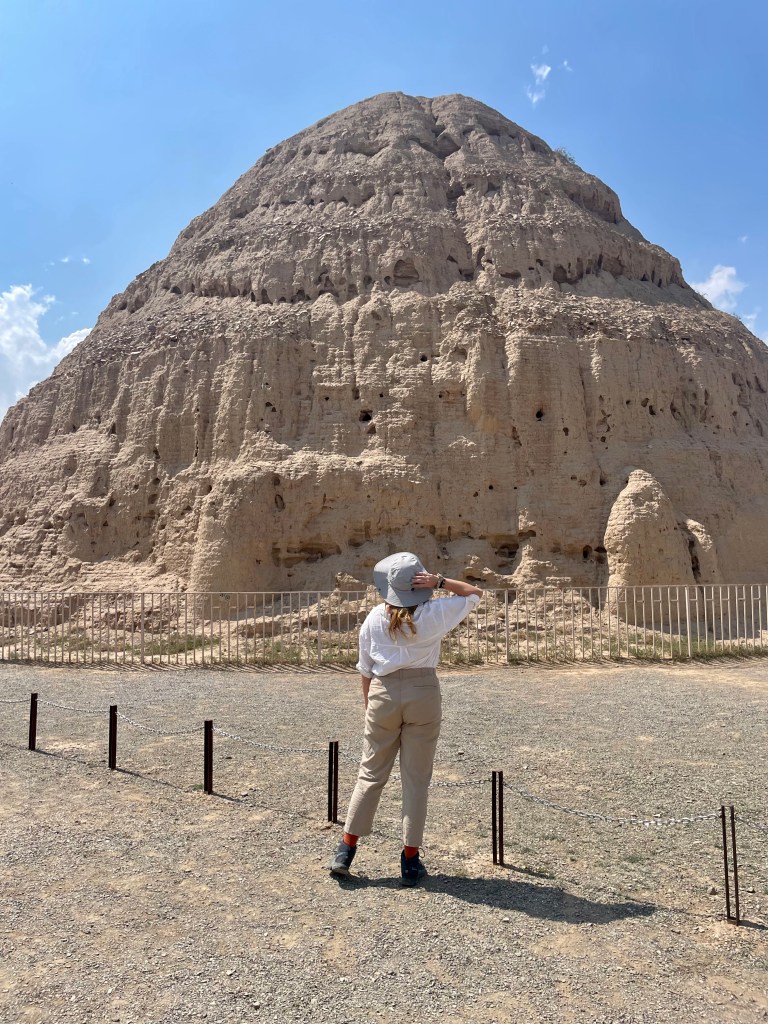
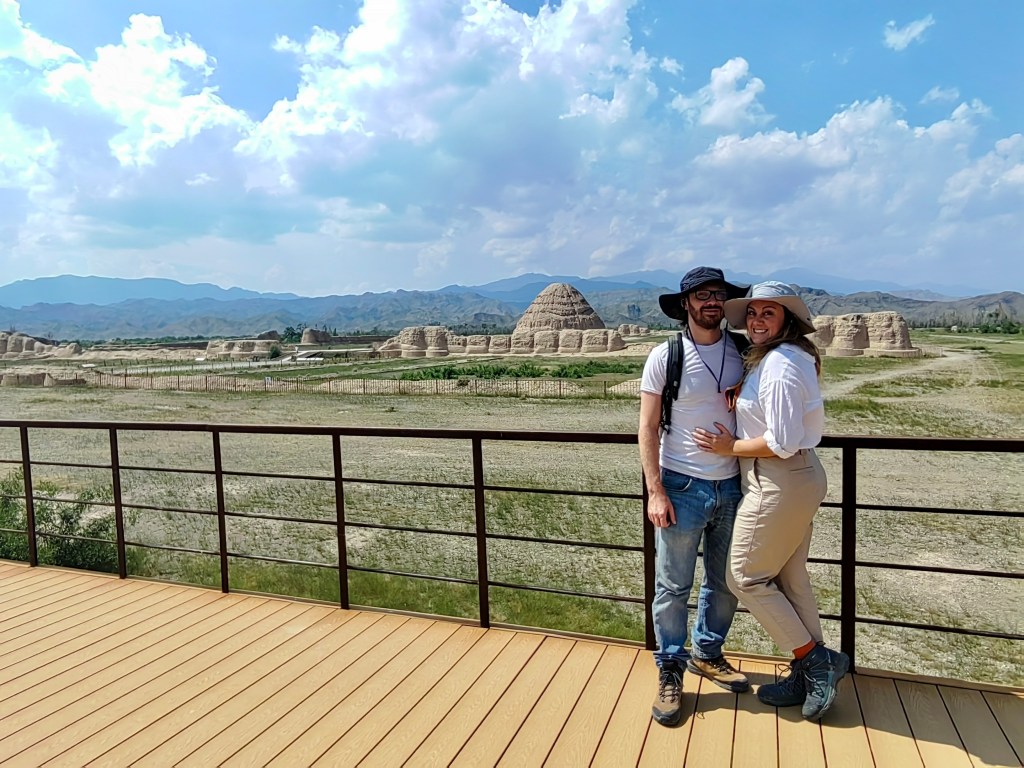
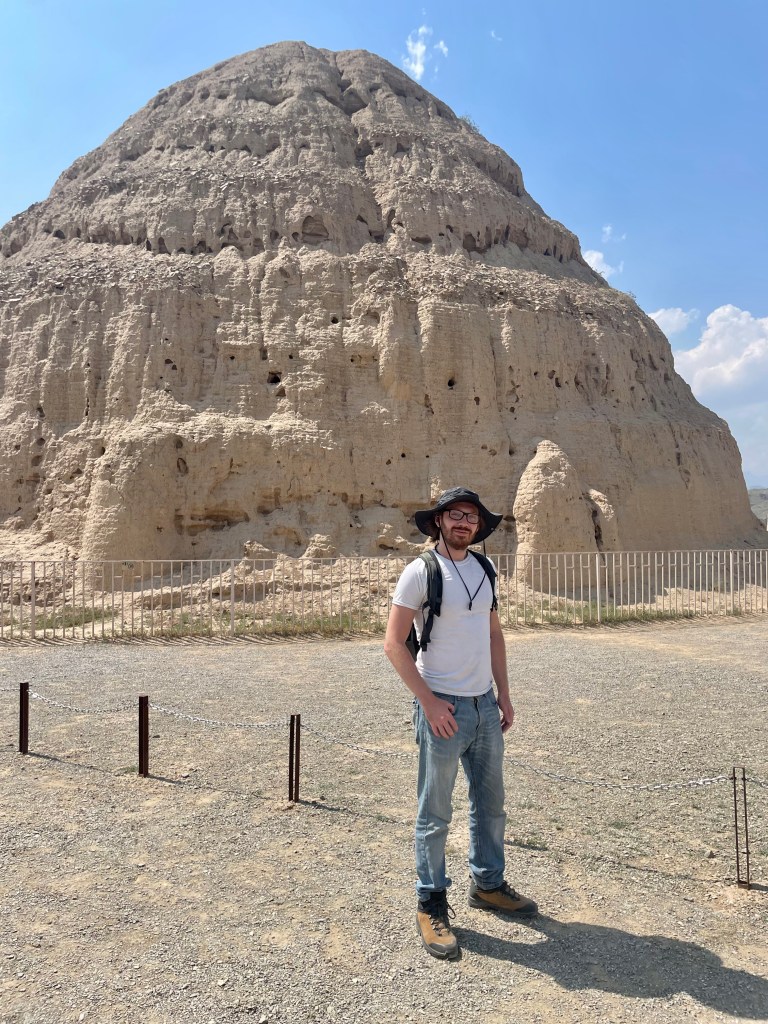
After enjoying the history lesson within the beautifully air-conditioned museum, it was time to hop on the bus and head out to see the main attraction: the 西夏王陵 Western Xia Imperial Tombs. Nowadays, not much remains of the tomb complexes except for the rammed earth mounds which have lost their outer decorative coverings and now stand in the desert looking like giant beehives coming up from the ground. These “Pyramids of the East,” as they are sometimes referred to as, occupy an area of more than 50 square kilometers (19.3 square miles) with a layout patterned after the celestial bodies.
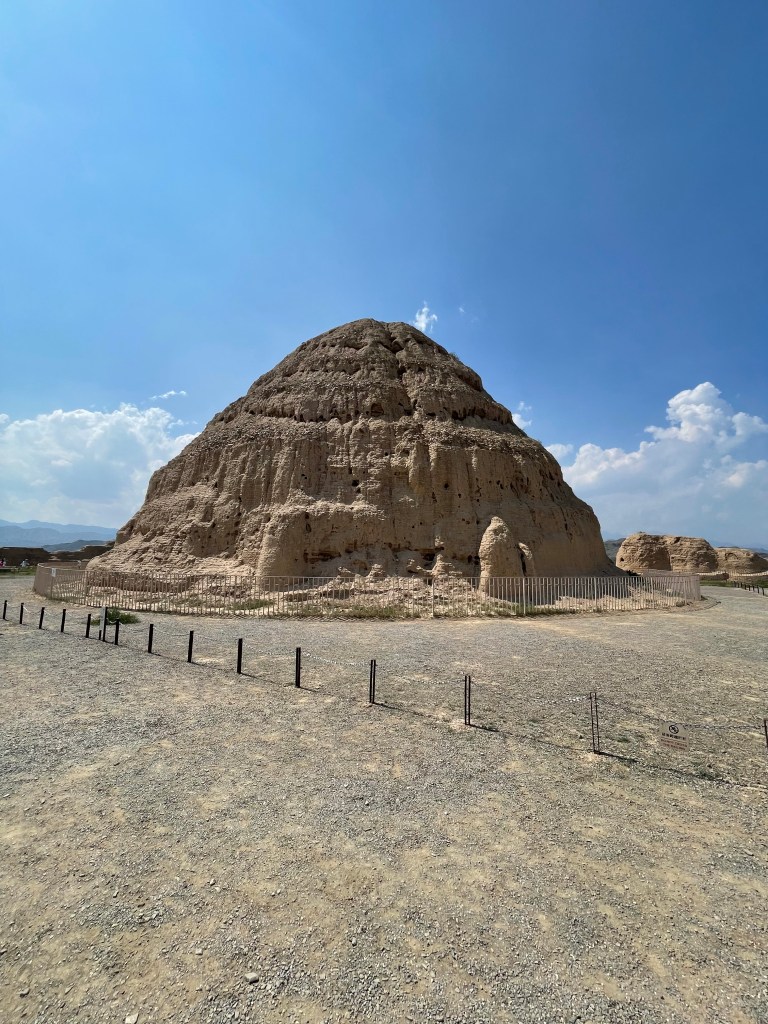

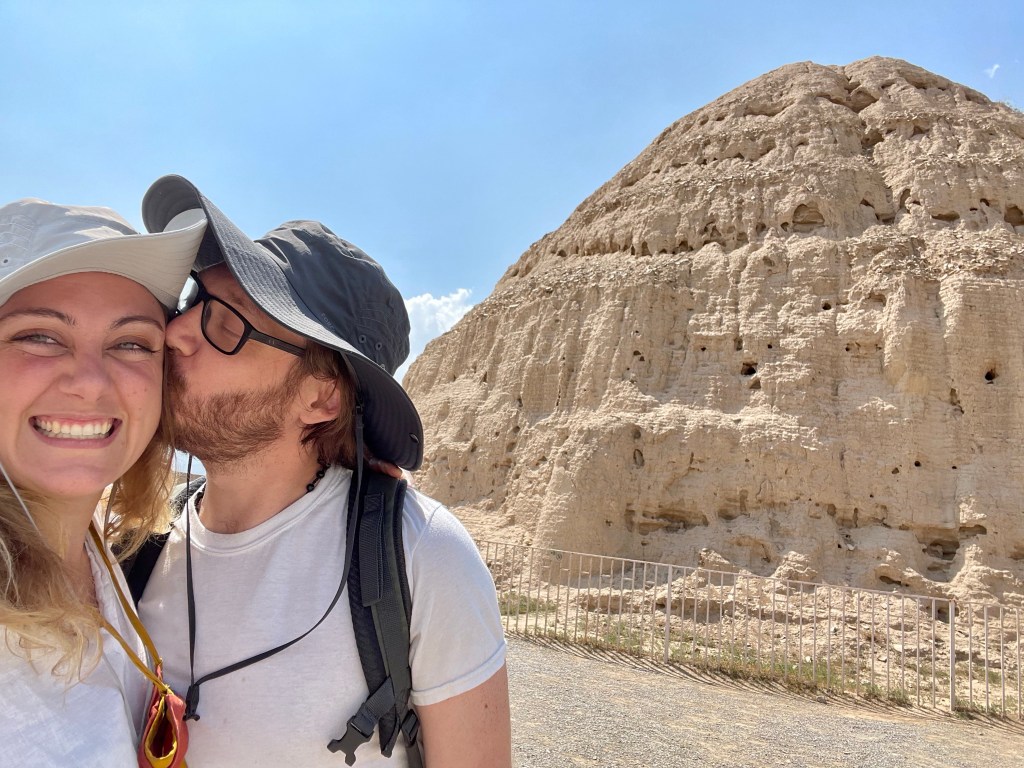
Though we could barely breathe in the sweltering heat, it was worth it to walk amongst these ancient wonders. In the one thousand years since these tombs were built, there have been countless torrential floods in the Helan Mountain area, and yet neither the preserved tombs nor burial objects were ever hit, causing many to believe these tombs have a mysterious miracle about them. It certainly felt both special and eery to walk through not only an area where many important people had been buried, but whose civilization had been completely wiped out and destroyed.
This is one of the most incredible parts about living in China; there are sites like this, with an incredible amount of history and cultural significance, everywhere. Many of them, such as these Xixia Imperial Tombs, that I’d never even heard of before. It is just so amazing, the degree to which my understanding of the world, of history, and of other cultures has expanded since living abroad and traveling, constantly seeking to learn more.


After sweating out every bit of moisture in our bodies, it only made sense to rehydrate while learning more about one of Ningxia’s newer endeavors: winemaking! Since the 1980s, Ningxia has been slowly working towards their wine production, especially in this region near the Helan Mountains. With over 200 active wineries in the region, the East Foothill of Helan Mountain was recently designated as China’s first and only wine appellation. Many boutique producers were started by Chinese winemakers who studied abroad in traditional wine regions such as Bordeaux, and today many of the wines coming out of this area hold their own against wines from those famous regions in international wine competitions. After a long day learning about so much history and culture, a winery tour and wine tasting was just what we needed!

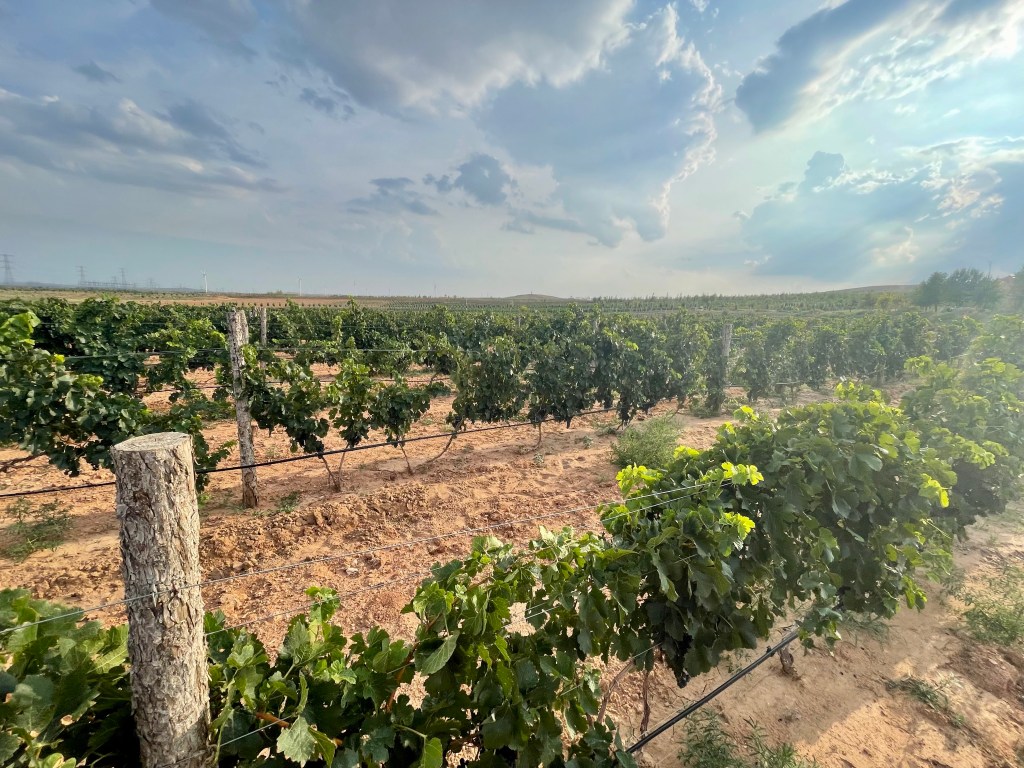
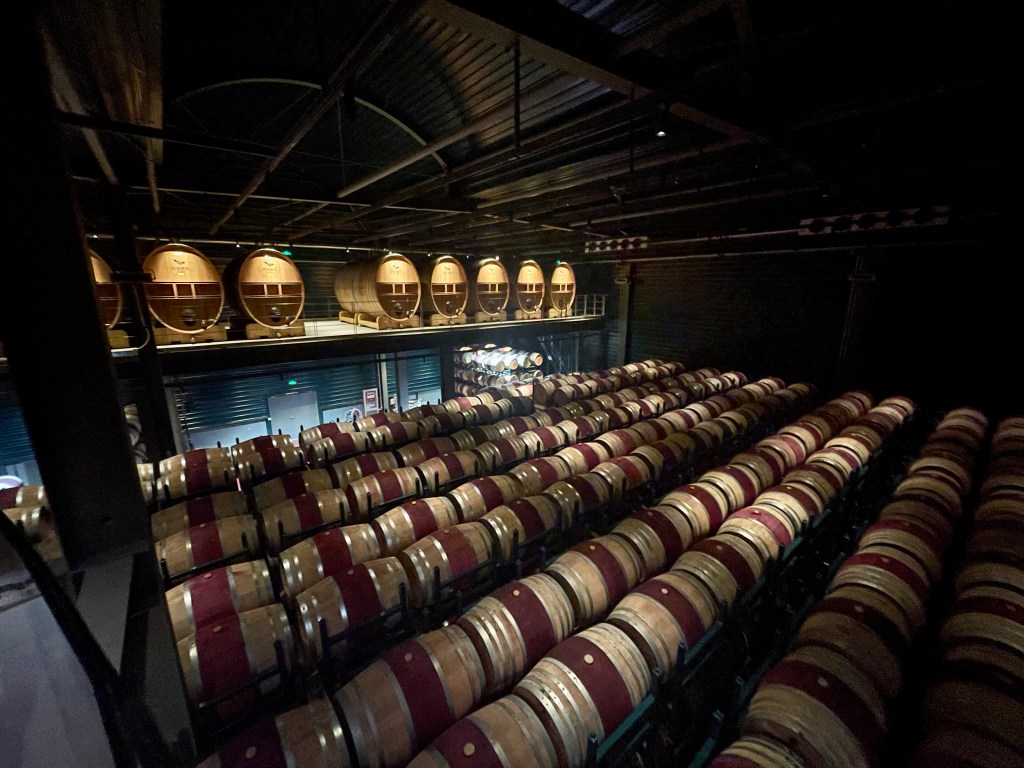
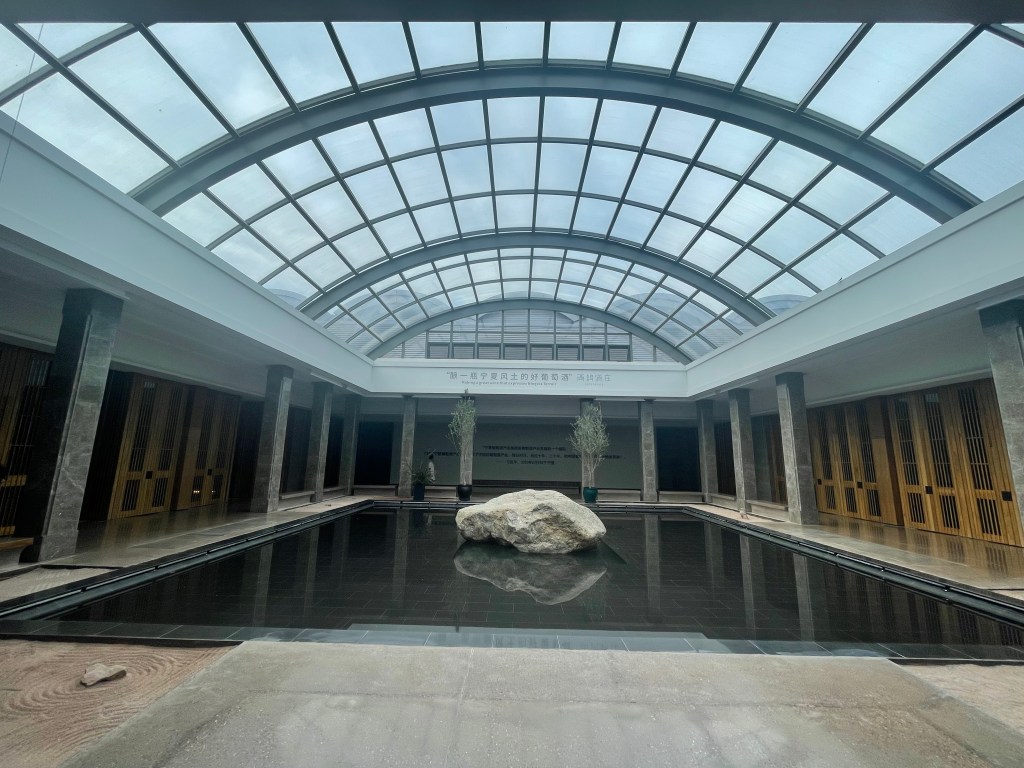
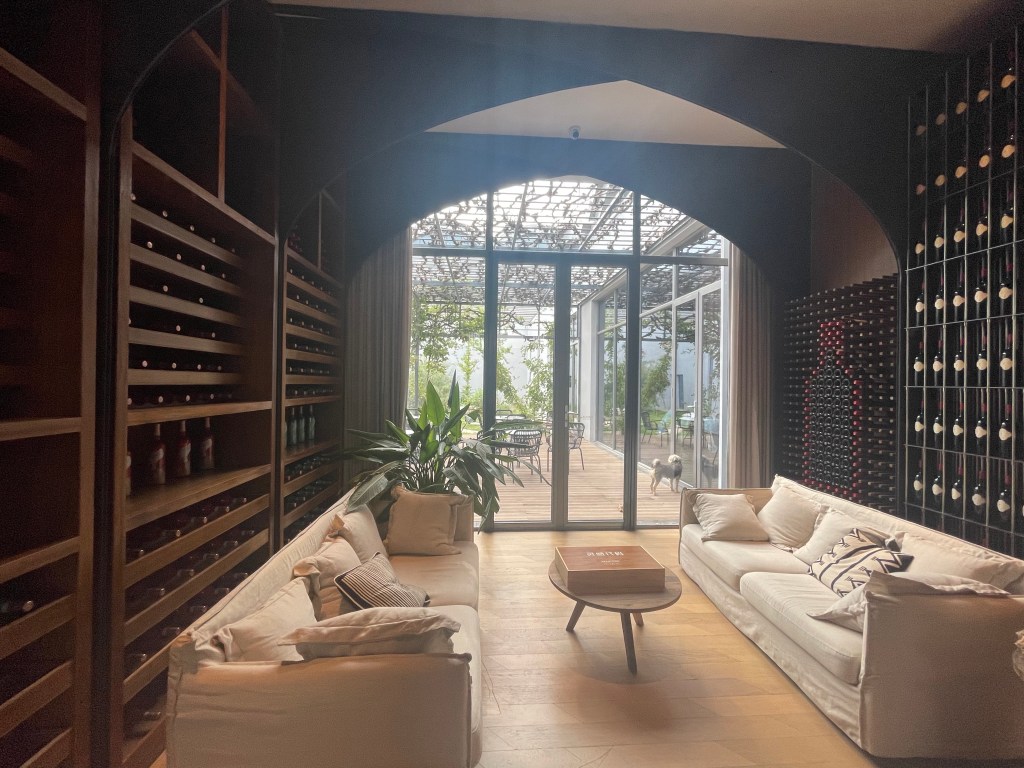
We visited the renowned 西鴿酒莊 Xige Estate, known for being the winery with the most advanced winemaking equipment in China. Founded in 2017, Xige Estate is the first Chinese winery to pass the BRCGS international certification which offers the world’s highest quality standard. Since its establishment, Xige has already won more than 100 international awards for its premium wine from up to 2,300 hectares of vines at its 25,000 square meter winery. Basically – there’s some good wine coming out of here, and they have big plans moving forward to continue putting Ningxia on the map for wine!
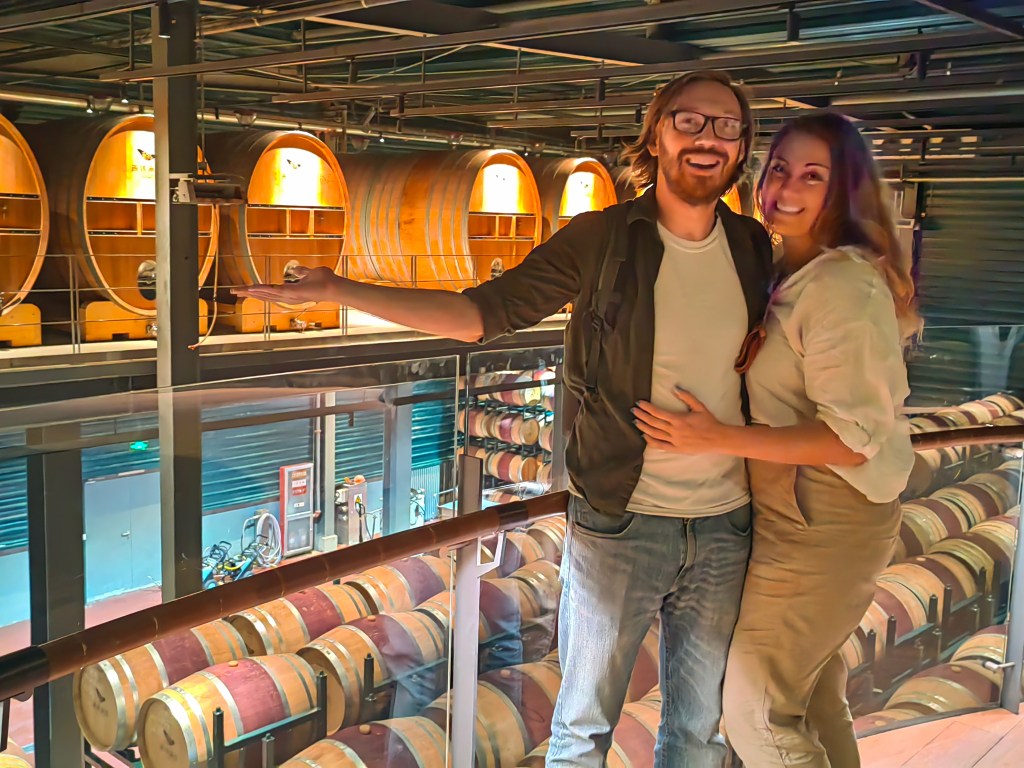

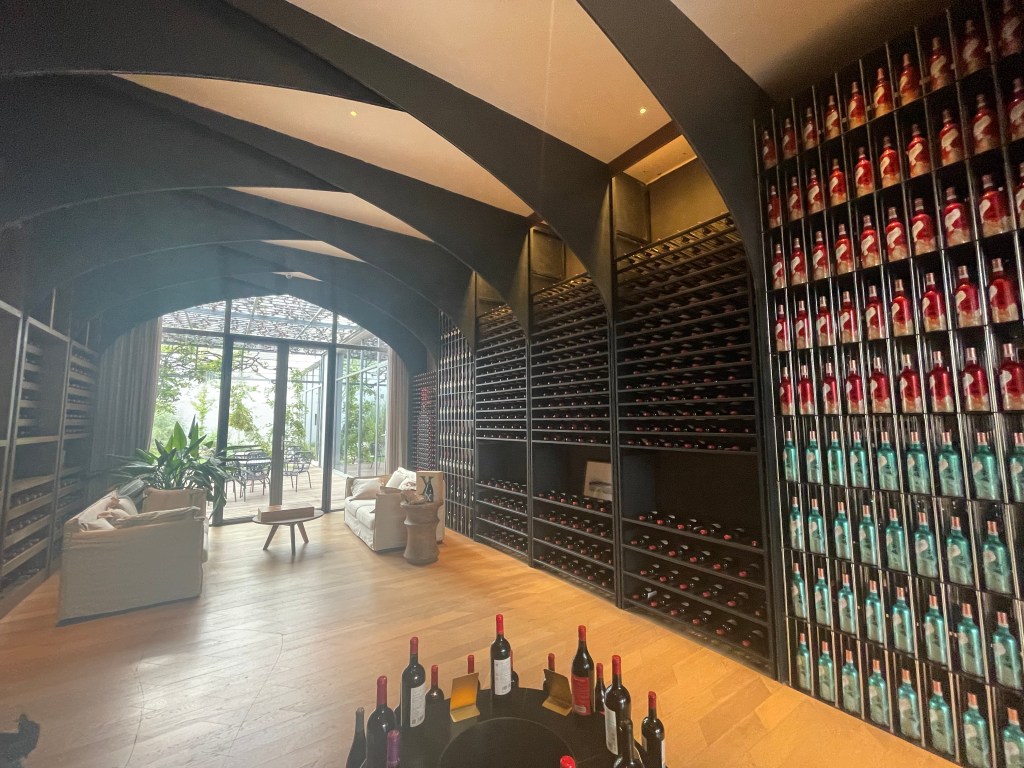
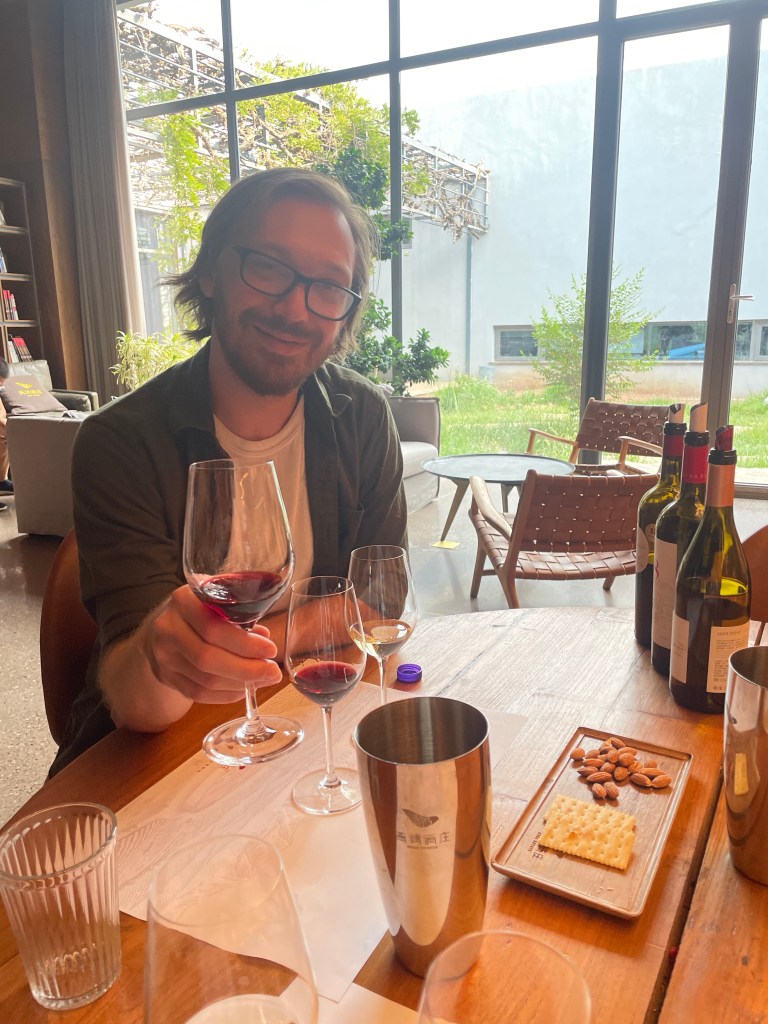
After a tour of the winery, we sat down for a tasting of three of their wines. I am by no means a wine expert (so if you’re looking for those kinds of details about Ningxia, I’m sorry, but this is not the blog for you) but I will say that we really enjoyed the wines we tasted, and we left with a bottle of their Cabernet Gernischt for ourselves! (Which we still, two years later, have yet to open. We bought ourselves a fancy little wine fridge and have a few wines in there that we want to save for a special occasion!) Though this was the only winery we visited while in Ningxia, we would definitely be interested in doing what our wine-tasting companion was doing – visited Yinchuan just to hop from winery to winery, tasting wines!

After having spent much of our first few days in Ningxia in the Mesolithic period of 10,000 years ago (petroglyphs), the Xixia dynasty of 1,000 years ago (imperial tombs), and the wine-making period of the last 40 years, next we would time travel into another few dynasties to learn even more about this important region in Chinese history. Stay tuned, and thanks for reading!
 Adventure in the Great Wide Somewhere
One thought on “Ningxia: The Lost Xixia Dynasty”