(Click here to read the first part of this trip!)
After our first few days in Guilin, we couldn’t imagine finding anywhere more beautiful. And yet, as is a common saying here in China, Guilin may be the most beautiful natural scenery in the world, but Yangshuo is the most beautiful part of Guilin. So when we packed up our bags and hopped in the van for the hour drive, I couldn’t wait to see what we were about to step into.
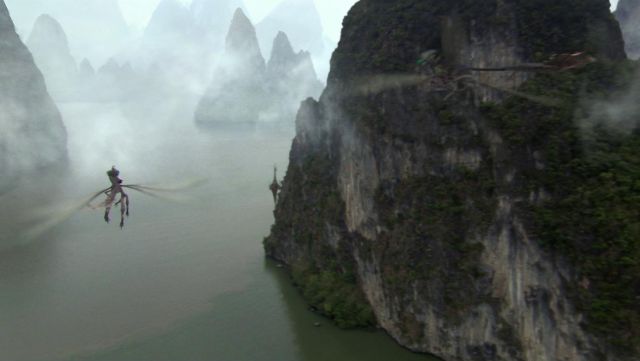
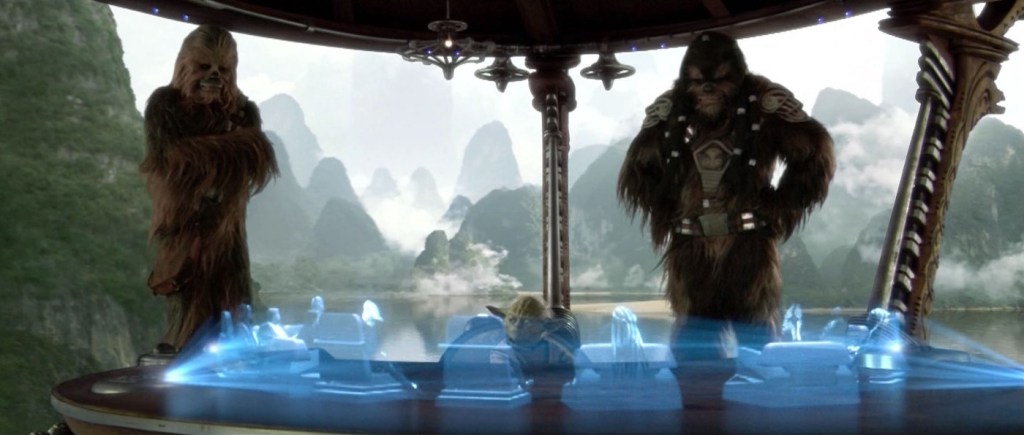
阳朔 Yángshuò is a county of Guilin, almost like a suburb outside of the city. The name Yangshuo combines the words “阳 yang” – from the Taoist yin-yang, symbolizing heaven, light, strength, and masculinity – and “朔 shuo,” which means “new moon.” Thus, day or night, Yangshuo is one of the brightest places on Earth. Known for its stunning natural karst scenery, this town has a history dating back over 1,000 years. In the 1980s, Lonely Planet featured it as a backpacker’s destination, and it has since become one of the most popular tourist destinations in China. Even if you’ve never been to China, you may have seen Yangshuo’s iconic karst mountains before. For my nerds out there, Yangshuo was one of the the primary background filming locations for Kashyyyk in Star Wars Episode 3: Revenge of the Sith. Just take a look at those Wookiees enjoying the beautiful views!
After all of the rainy, cloudy weather we’d been getting in Guilin, I’ll admit that I was worried as we drove to Yangshuo; these karst mountains are iconic and had been recommended to me from the beginning of my time here in China. What if when we visited it would be too cloudy for me to see any of them? I didn’t want to let on to my partner or our guide, but I was so worried I would be disappointed. Never fear; I was anything but.
As the drive went on, slowly, one by one, karst mountains started to come into view along the road. At first, I would squeeze Michael’s hand each time I saw one to make sure he didn’t miss it. Soon, there were too many to count.
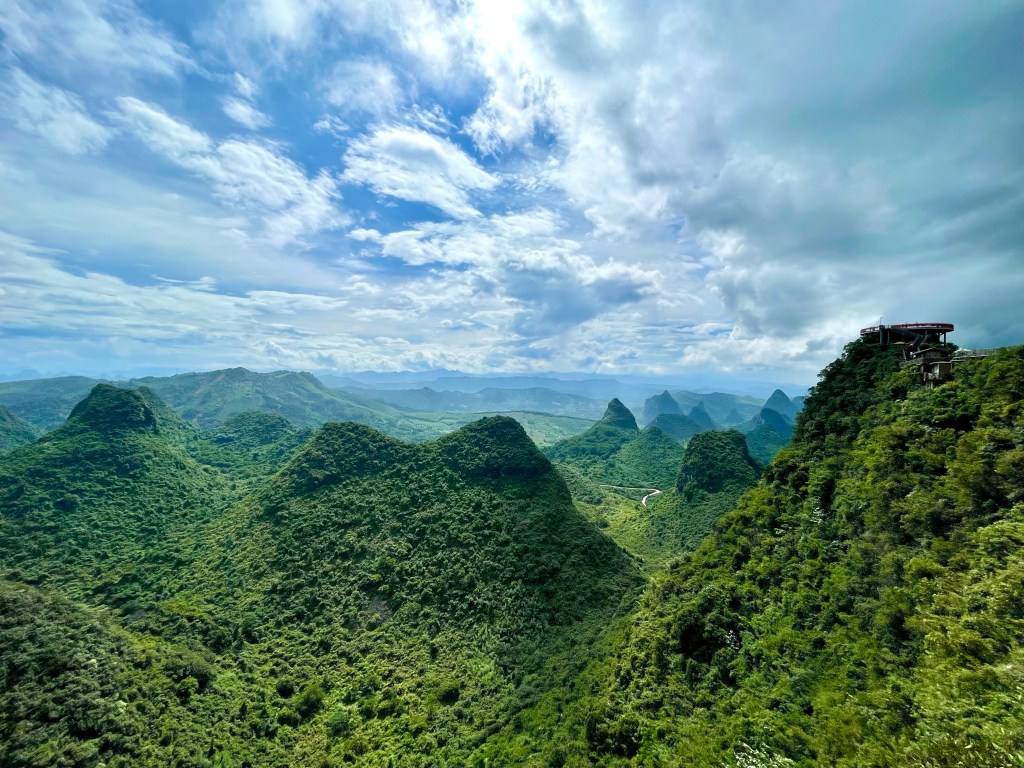
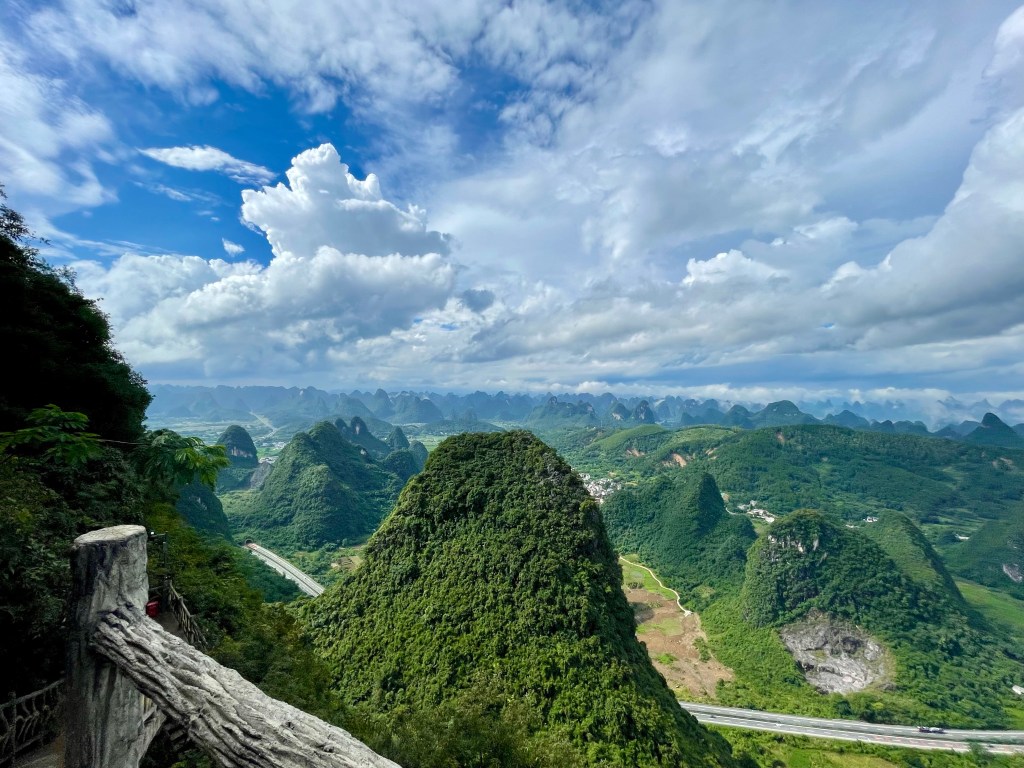
Even before checking into our hotel, we went on our first short hike to take in the scenery. 相公山 Xiànggōng Shān, or “Prime Minister Hill/Mountain” due to its shape of a man wearing a hat and cloak of feudal China, has not always been a popular sightseeing destination; however, after a local photographer won the bronze medal in the 10th Annual International Photography Exhibition with a photo from this lookout spot, it became a site where everyone wants to bring their cameras and see the view for themselves. After only a 15 minute hike to the top of the viewing platform (which, admittedly, after a 2-month lockdown of not leaving the house, was not as easy as it should have been) we were in awe of the amazing view surrounding us. Even with all of the clouds, it was one of the most breathtaking, otherworldly sights I’d ever seen.
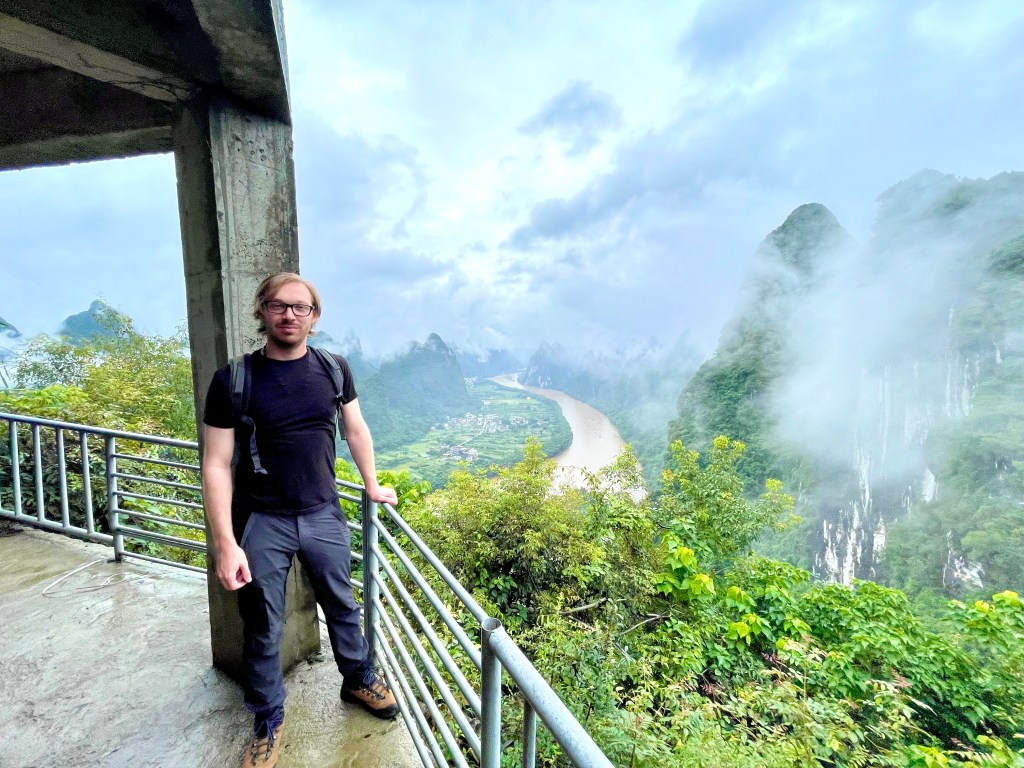


So why does the landscape look like this? What is karst anyways?
Well, from what I can gather, wrap my non-scientific brain around, and summarize easily: Karst is an area of land made up of limestone. Limestone is a sedimentary rock primarily made up of calcium carbonate formed under the sea from the remains of organic matter like seashells and plants. Rainwater gradually wears away at the limestone (over millions and millions of years), and so there are many karst landscapes in tropical southeast Asia (like Thailand!) and subtropical southern China (like here!) where there are high levels of rainfall. Additionally, karst landscapes are famous for their cave systems, such as the Reed Flute Cave we’d just seen in my previous blog! So basically — all of this used to be underwater, and the top of the mountains (or thereabouts) was where the seafloor was. Then, after millions of years and lots of rainfall (and a bunch of chemistry equations having to do with carbon that only half stick in my brain), these karst mountains are what remains!

If Xianggong Hill was a taste of what we’d be experiencing for the next few days, we were absolutely thrilled.
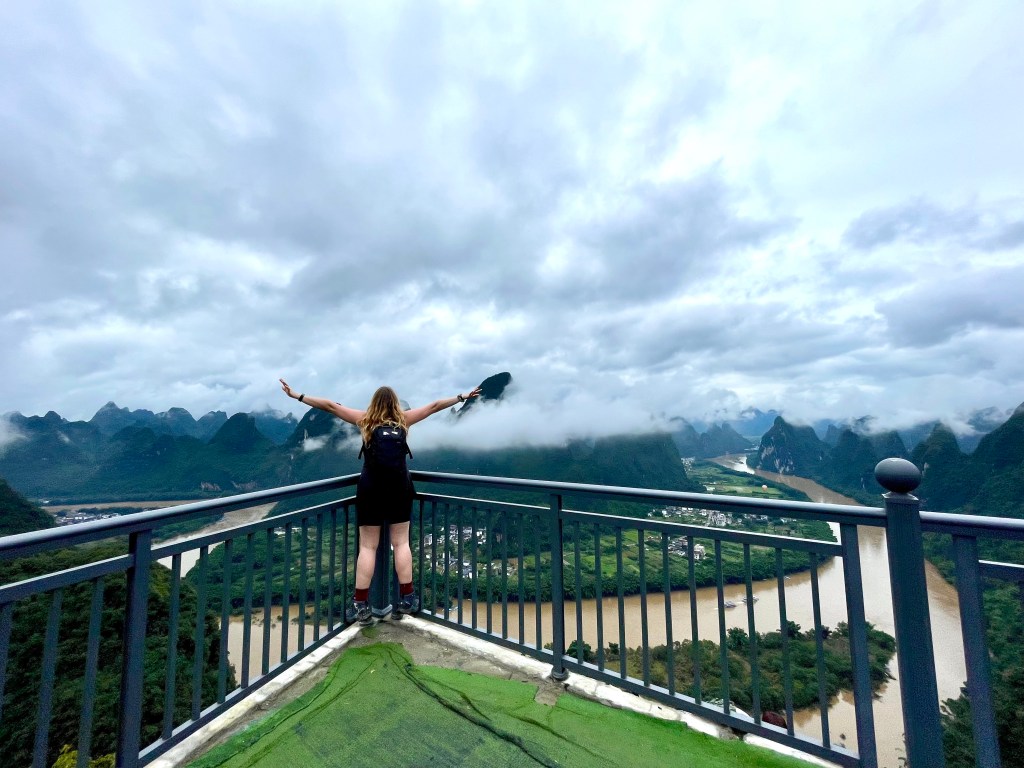
Following our first little hike, our brilliant guide Evelyn brought us to a small restaurant with a view of another iconic Yangshuo landmark: 月亮山 Yuèliàng Shān, or Moon Hill. See the hole at the top that’s shaped like a moon?

Moon Hill 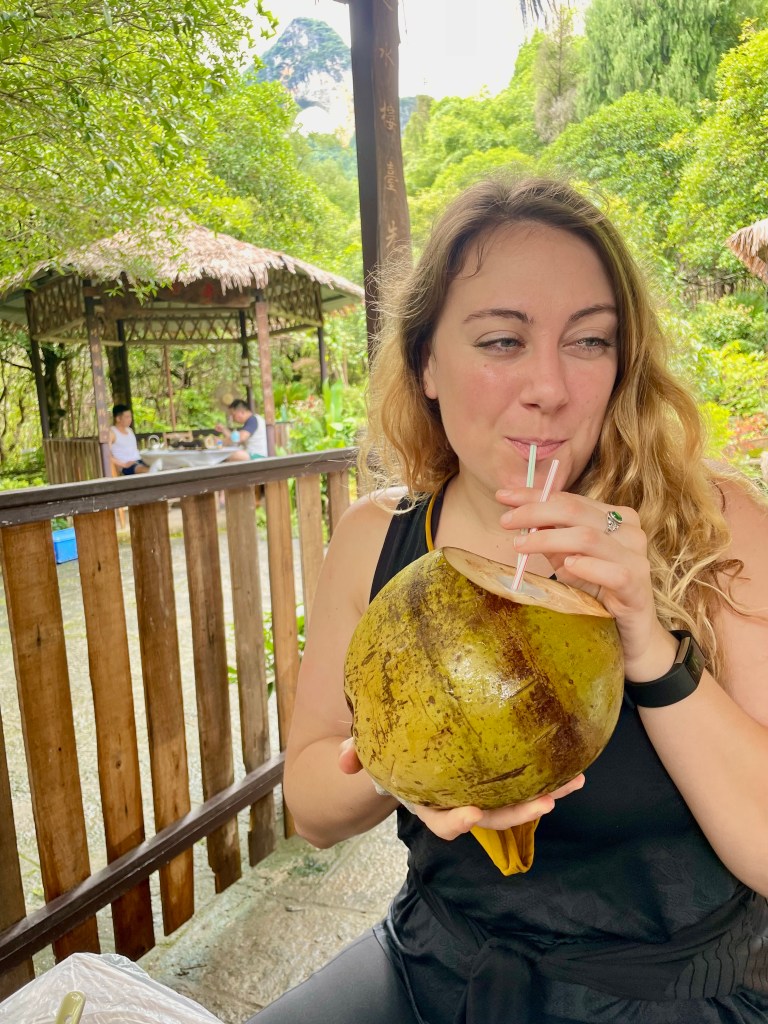
This is the summer I made it my mission to drink as many coconuts as possible.
Whenever we’re dining in a local restaurant, we usually ask our guide or server for what they recommend; we would always prefer to try local recommendations and get a real taste of where we’re traveling. (Plus, we wouldn’t even know where to begin when choosing otherwise!) Luckily for me, Michael will eat anything; I can have a bite of whatever we’ve got and if it’s too meat-y for me, Michael will eat the rest!
Our guide Evelyn was friends with the owner of the restaurant, a middle-aged woman who came over knowing exactly what she wanted us to order and wasn’t going to take no for an answer: “Beer One-Bone Fish.” As it was the most expensive dish on the menu, we weren’t really sure if that was what we wanted – especially because I’m not a seafood eater. But no matter what else we pointed to, even after we’d put in orders for a few bamboo dishes — “And Beer One-Bone Fish. Only one bone! Very good! Beer One-Bone Fish!” After several minutes of a back and forth on this, we decided we may as well at least try this dish that the owner recommended. When the food came out, we were glad we had ordered as much as we did – everything was amazing!
(For what it’s worth: as I write this 8 months and many trips after our time in Yangshuo, to this day Michael still insists Beer One-Bone Fish is one of his favorite dishes he’s had in all of China. That woman knew what she was talking about!)
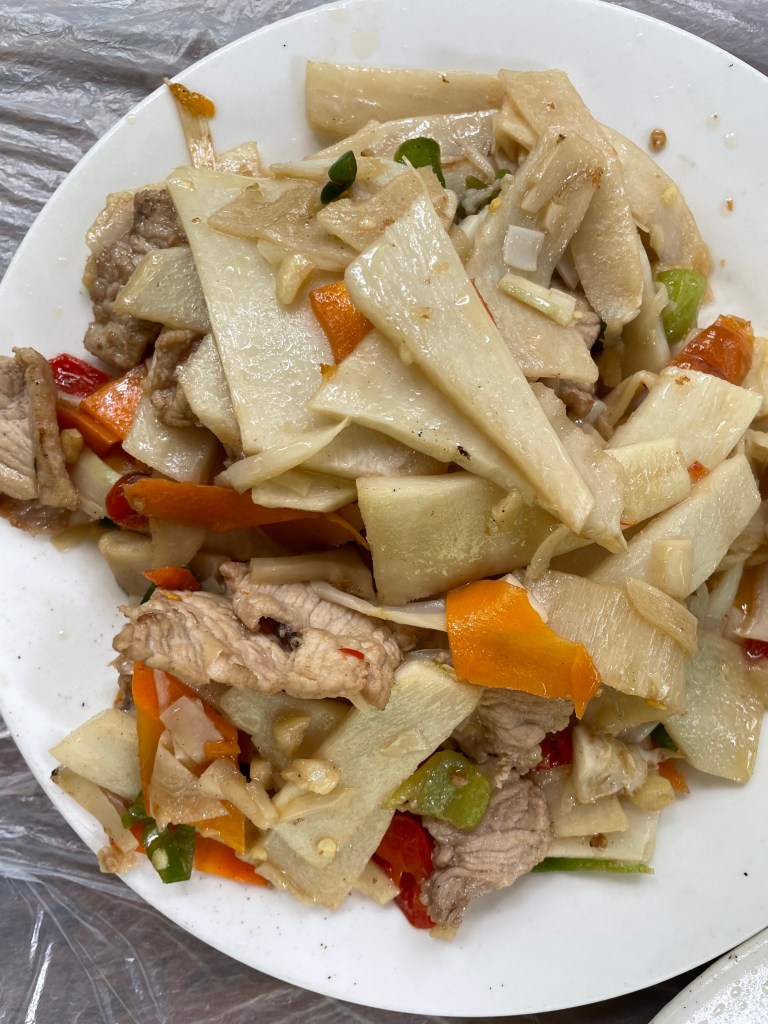
A delicious bamboo dish 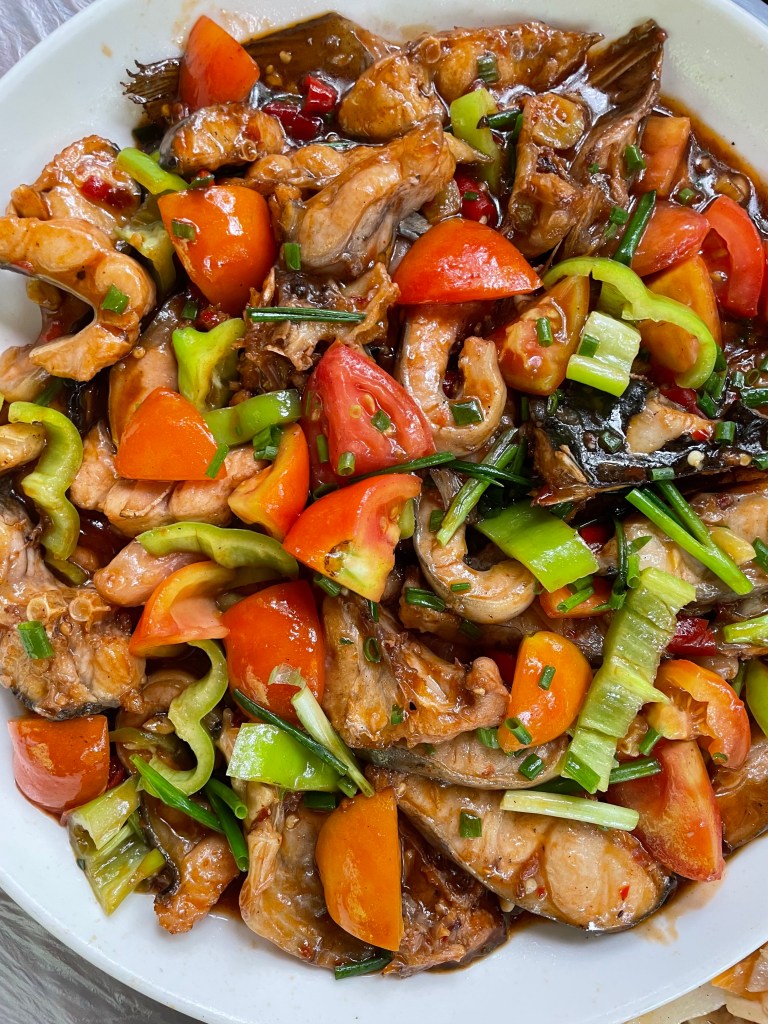
Beer One-Bone Fish
After our delicious lunch, we headed for what was probably my favorite experience of the entire trip. 如意峯索道景區 Ruyi Peak Scenic Area is an adventure tourist attraction that gives you the opportunity to experience the karst scenery from above in a variety of different ways. Naturally, I was thrilled and delighted. (Michael, who you may remember has a terrible fear of heights, was less so.)
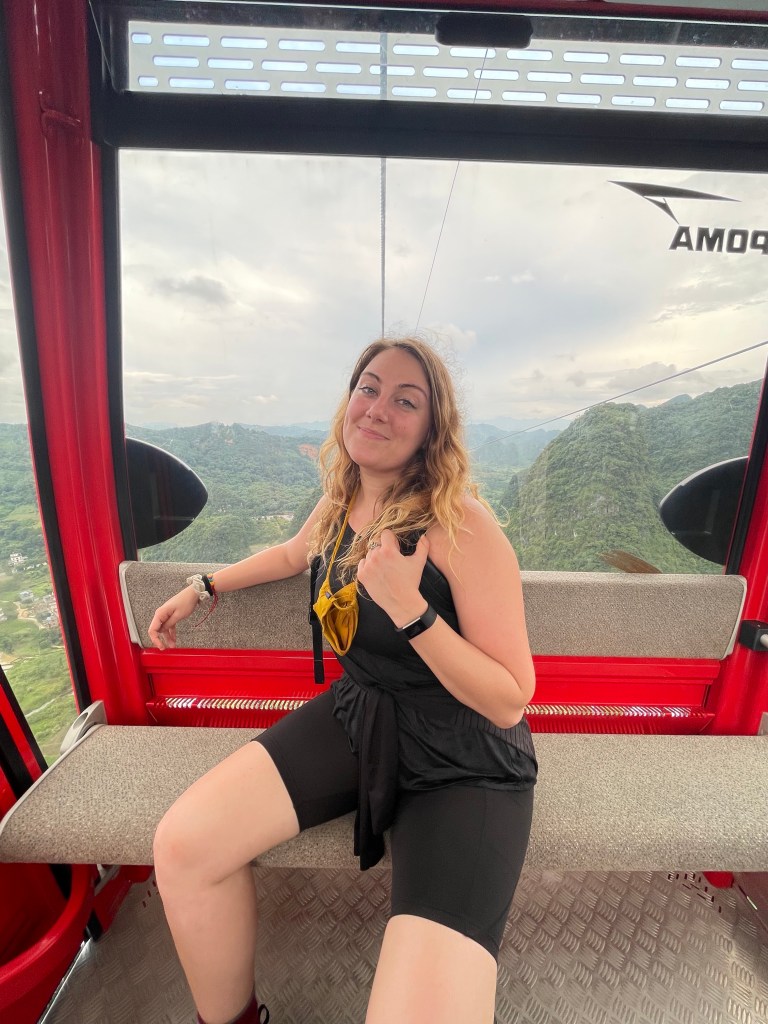
After purchasing our entry tickets, in order to get up to the tourist zone we got to take a cable car up and over a few of the mountains. These things are taller than they look from the ground, and going through them truly felt like flying through another world.

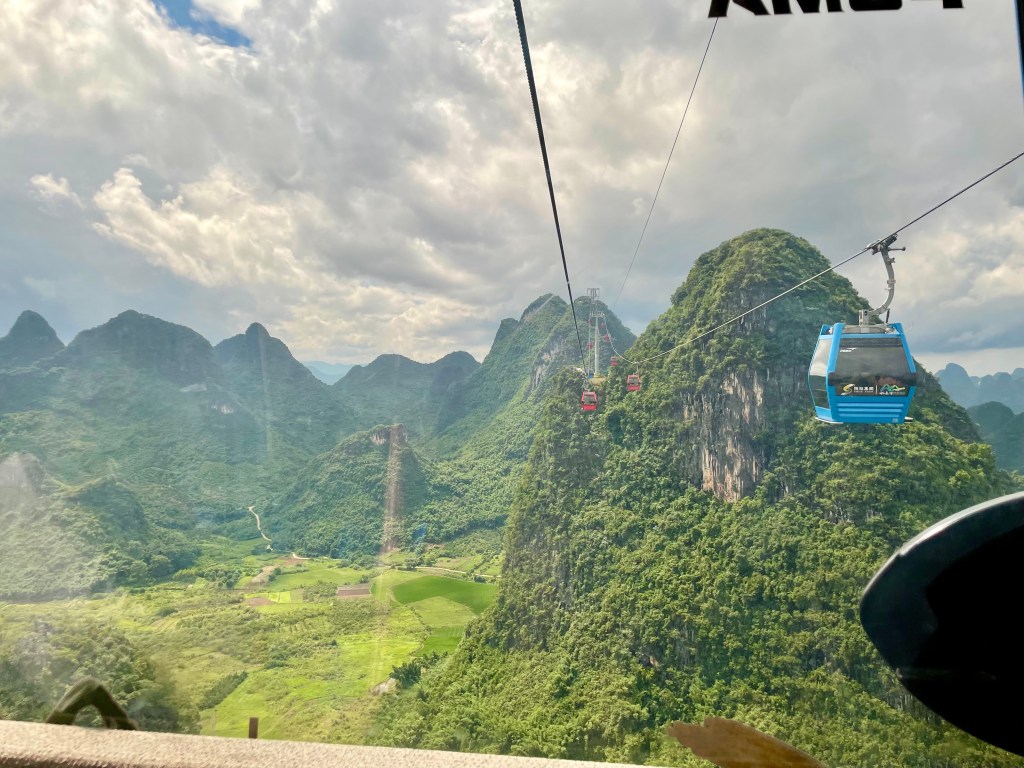
When the cable car dropped us off at the top of the first mountain, we were able to get a good look at what was in store for us: a footbridge, a glass walkway, a glass plank road, some sightseeing platforms… here we go! For you to fully visualize this scene, we have: one Madie, very excited, taking lots of pictures, ooh-ing and ahh-ing; one Michael, doing his best to disassociate completely, deathgrip on Madie’s hand, looking at his feet on the ground in front of him; and one Evelyn, bopping along because she has done this a million times and is excited to share it with us. We made quite a team.

After hiking along the side of one of the mountains, our first stop was the bridge. (Take a look in the picture above. See the long, straight one way high up? That one.)
When I asked Michael if he’d like to write a paragraph about this portion of the day, he told me to write, and I quote: AHHHHHHHHHHHHHHHHHHHHHHHHHHHHHHHHHHHHHH. Though whether that’s because he doesn’t want to relive it or has completely blacked it out is unclear. (I’ll get him to write something for a blog one of these days…) So:
When we approached the bridge, it became clear just how high and just how long this bridge was. Looking it up afterwards, I think it’s 58 meters/190 feet high and 148 meters/486 feet across; you’re quite literally walking from one mountain to the next, this bridge is no joke! But when you can’t go over it, can’t go under it, can’t go around it, you have to go through it; so we grabbed onto each other and carefully started to make our way across the bridge.

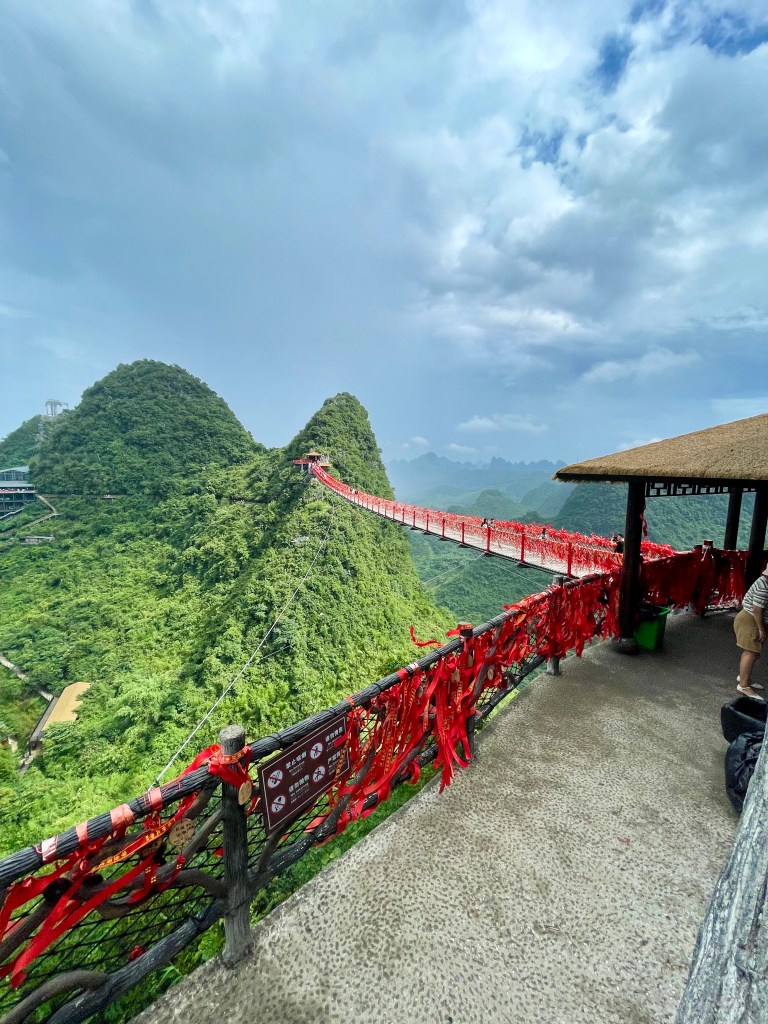
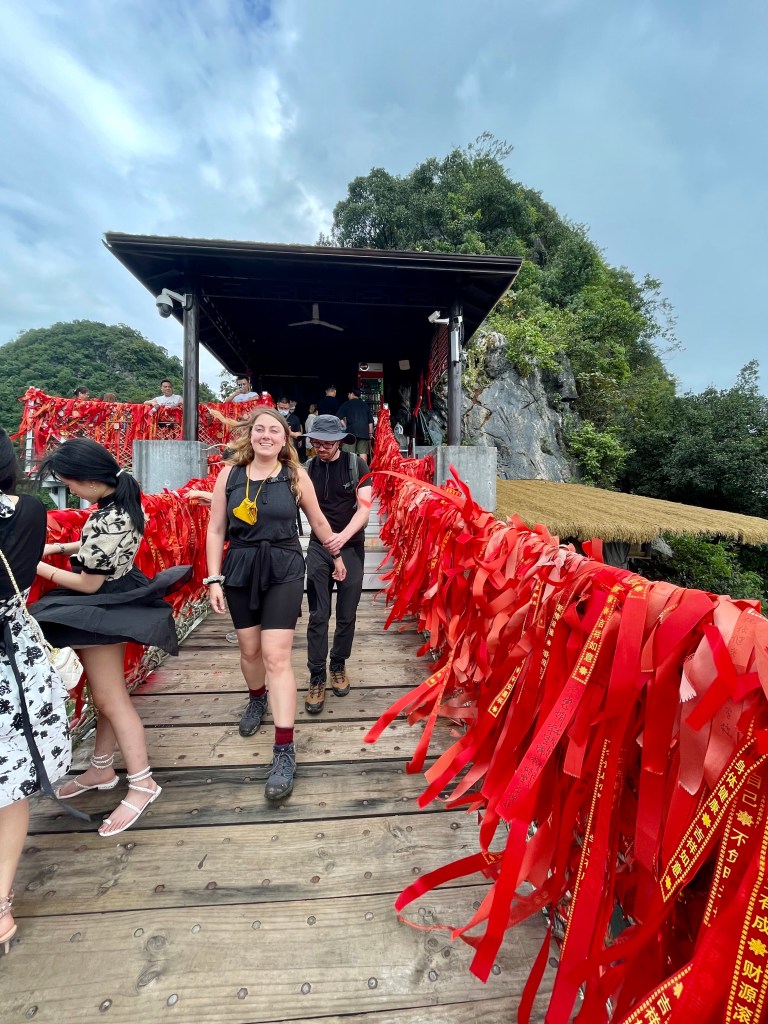
The thing about bridges like these, if you’ve never crossed one, is that you can never really prepare yourself for the wind that hits as soon as you’re out in the open. You can be feeling just fine and then WHOOSH, everything feels a bit more… exposed? Vulnerable? But step by step, we pushed on. I am fairly certain that Michael was chanting some sort of Buddhist prayer as we went along, trying to keep his mind occupied. But we made it across. And then, like the loving and supportive girlfriend I am, I made him go stand back out on the bridge so I could get a picture. (Worth it!)
As I’ve said before, I only write about Michael’s desperate fear of heights because he has given me the green light to do so. I know there are plenty of men out there who would either not admit to or try to hide something like that because they think it makes them seem less… manly? As though having fears is a weakness or character flaw? I am proud to have a partner who will not only tell me when he’s afraid, but will push through so that we can have these experiences together. I will always be happy to hold his hand and guide him across bridges, just as he will help me face my anxieties and fears in turn. (And also…thank you/sorry to Michael for all of these adrenaline-junkie China trips I keep taking us to!)


After crossing the bridge, we hiked our way up to the top of Ruyi peak – the highest peak in Yangshuo! The term 如意 Ruyi has a very long history in China, but boils down to mean something very simple: “as you wish.” According to the sign at the scenic spot, ruyi is “the most sincere voice deep down in our hearts, bringing good luck of getting what you want, and success in our health, studies, life, and career.” There’s a kind of poetry in that – the epic journey to climb the tallest mountain, in the midst of a sea of this beautiful alien landscape, to find the voice deep down in our hearts and hope it will help us reach our wishes.
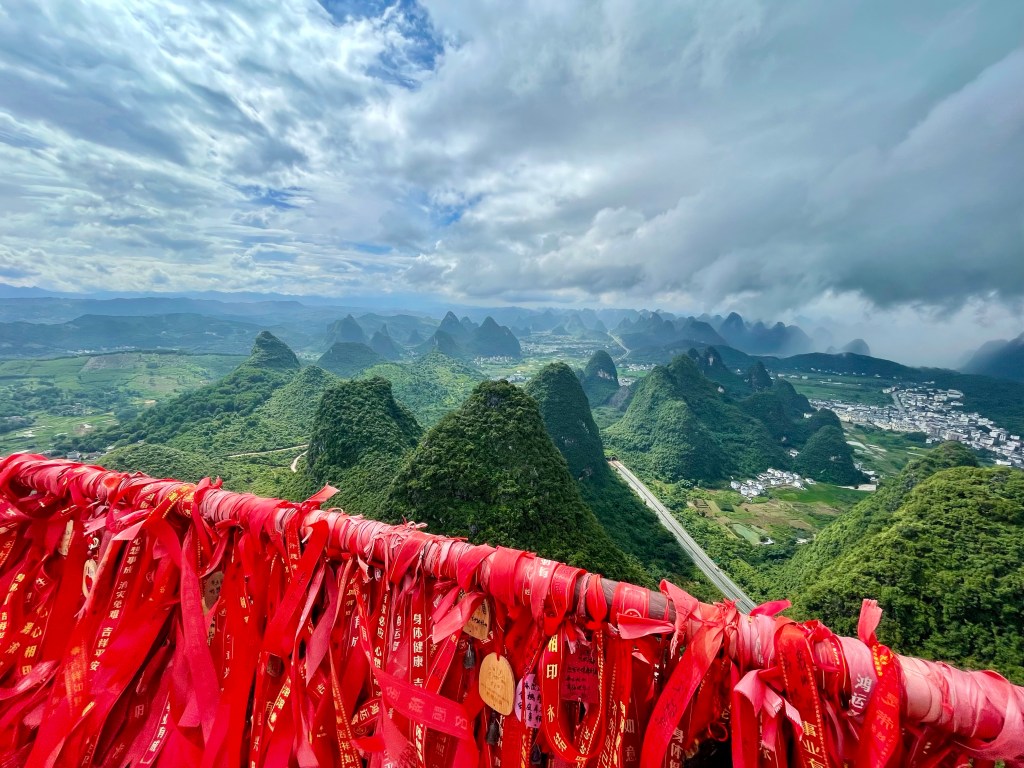
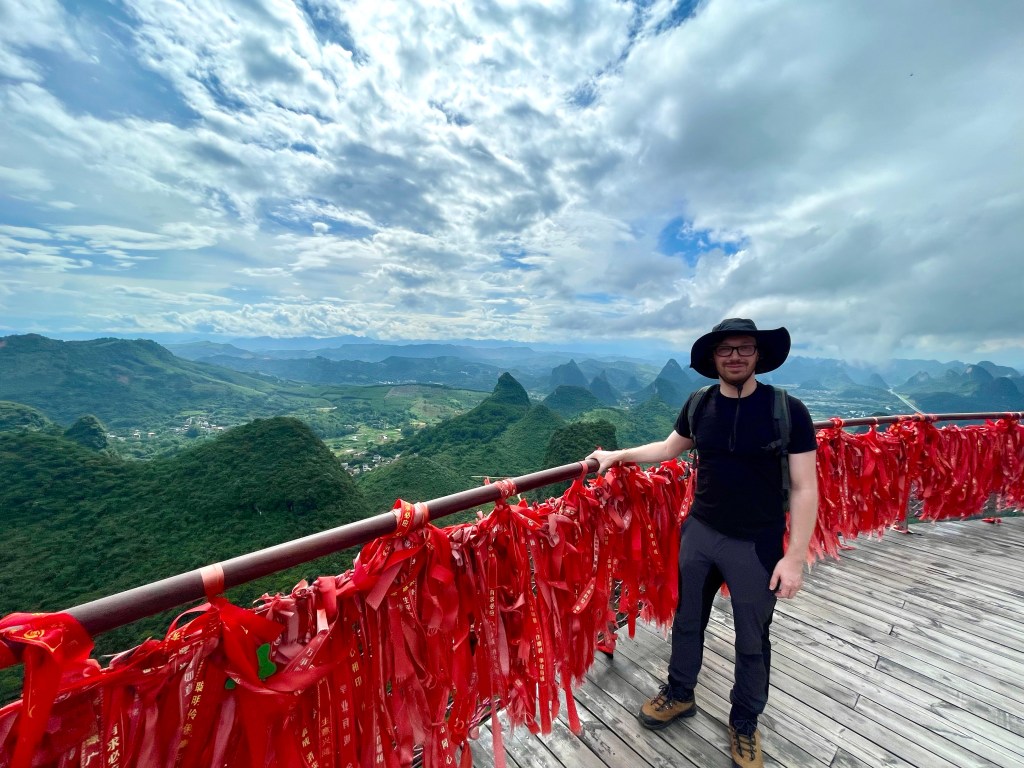


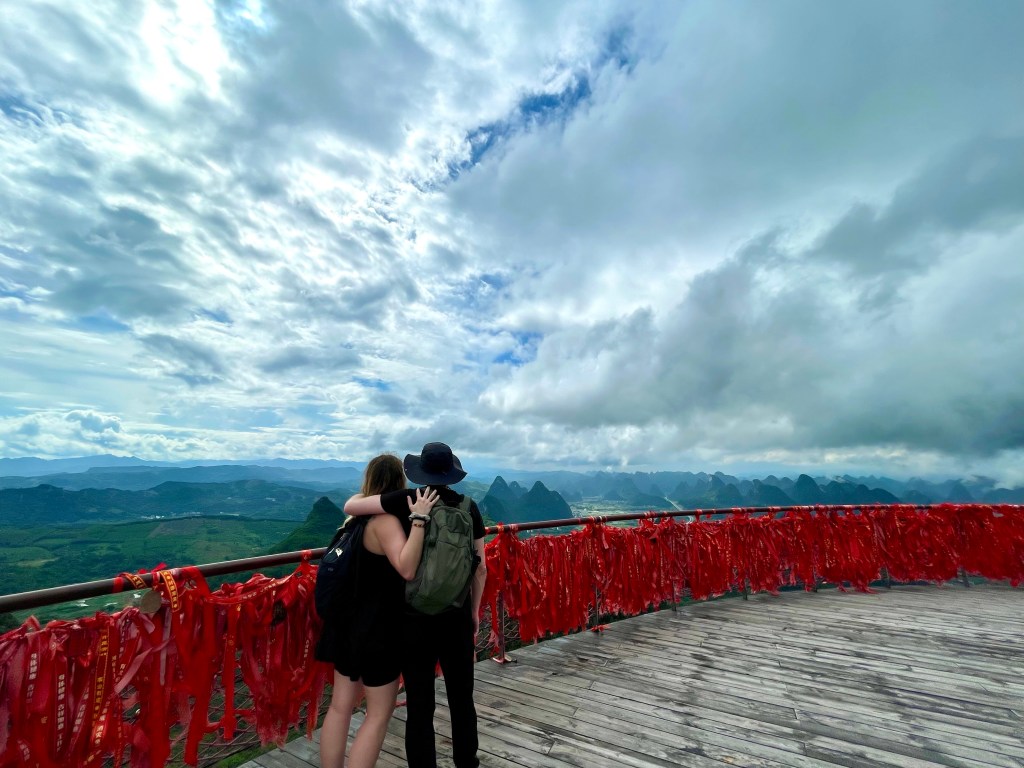
As with many of these beautiful scenic spots, people can buy ribbons or flags for good luck, blowing in the wind and carrying those good wishes along. I always love seeing these, thinking of all of the people who have come to this spot and hoped for something, wished for something, prayed for something. Especially as they blow in the wind, I can’t help but think of all of that hope, that positive energy, spreading out to all who the wind touches. As you wish, indeed.

As we continued on through the park, it felt like at every turn we were met with an even more incredible view. I wish the pictures could capture just how gorgeous it was. This is one of those places I’ve only heard about from those who are living in China but would absolutely recommend for anyone coming to visit – it’s unlike anything I’ve ever seen before.
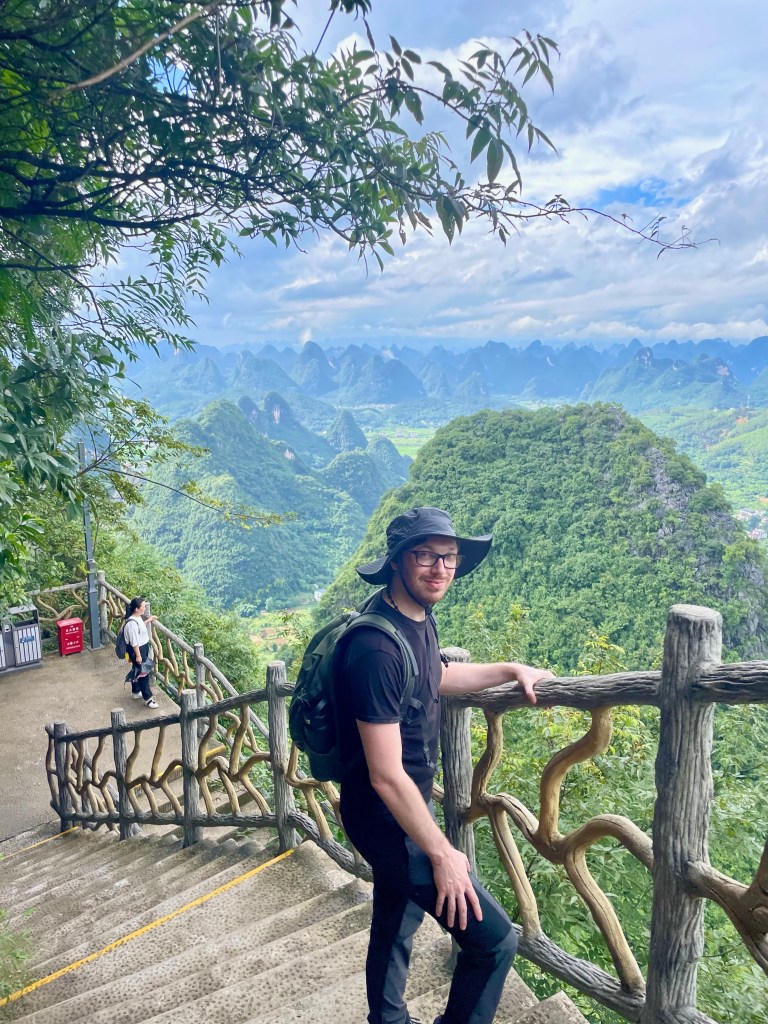

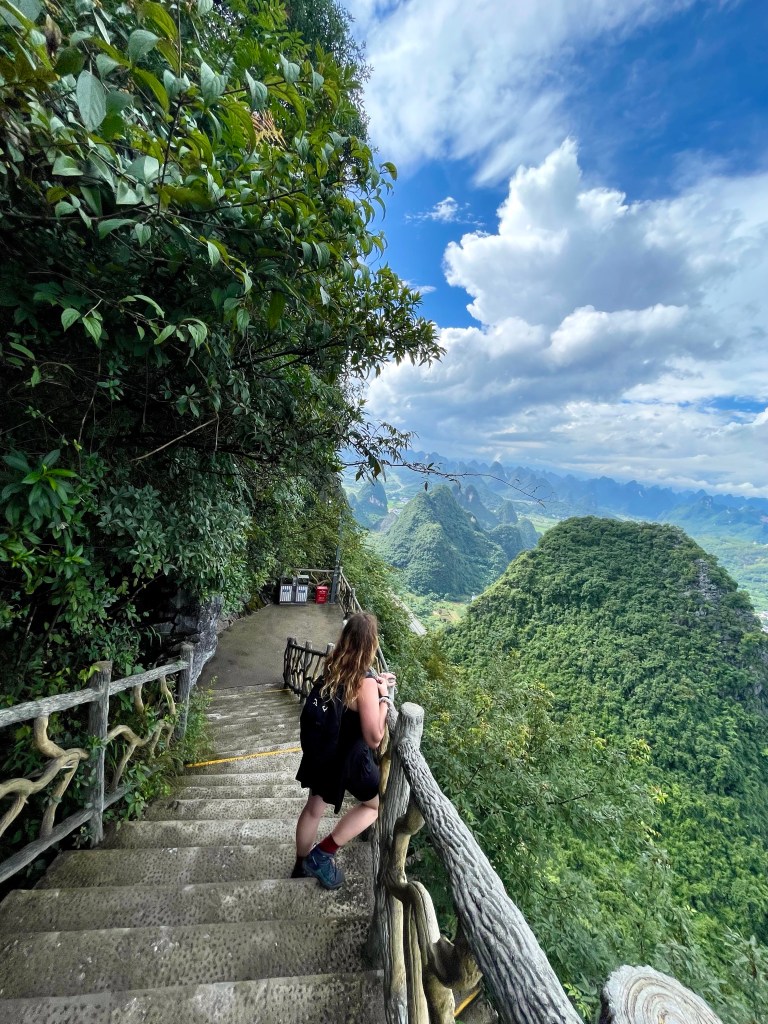
We continued on to not only a glass bridge (they’re everywhere over here) but a glass ridge walk as well — basically, a small glass walkway along the edge of a cliff hanging off the side of the mountain. Yes, they are incredibly safe and secure. But still, definitely not for the faint of heart – that’s a LONG way down!
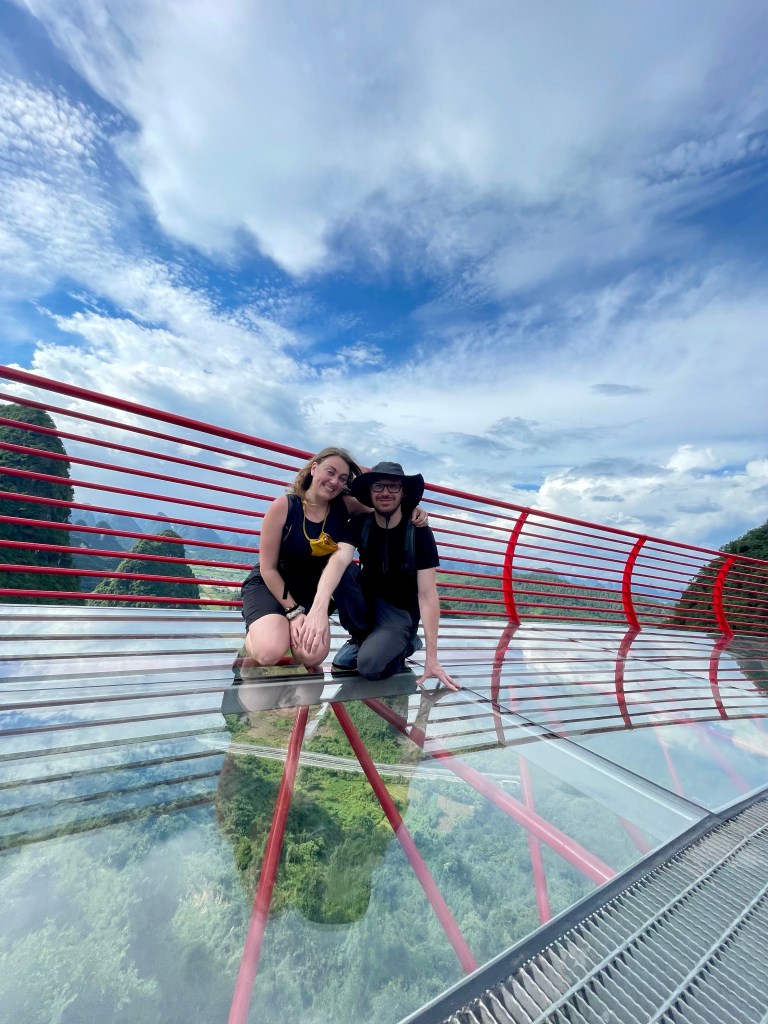

Though definitely one of the more adrenaline-pumping days we’ve had, this experience at the Ruyi Peak Scenic Area is absolutely one of the highlights from my entire time in China thus far. We both were completely blown away.
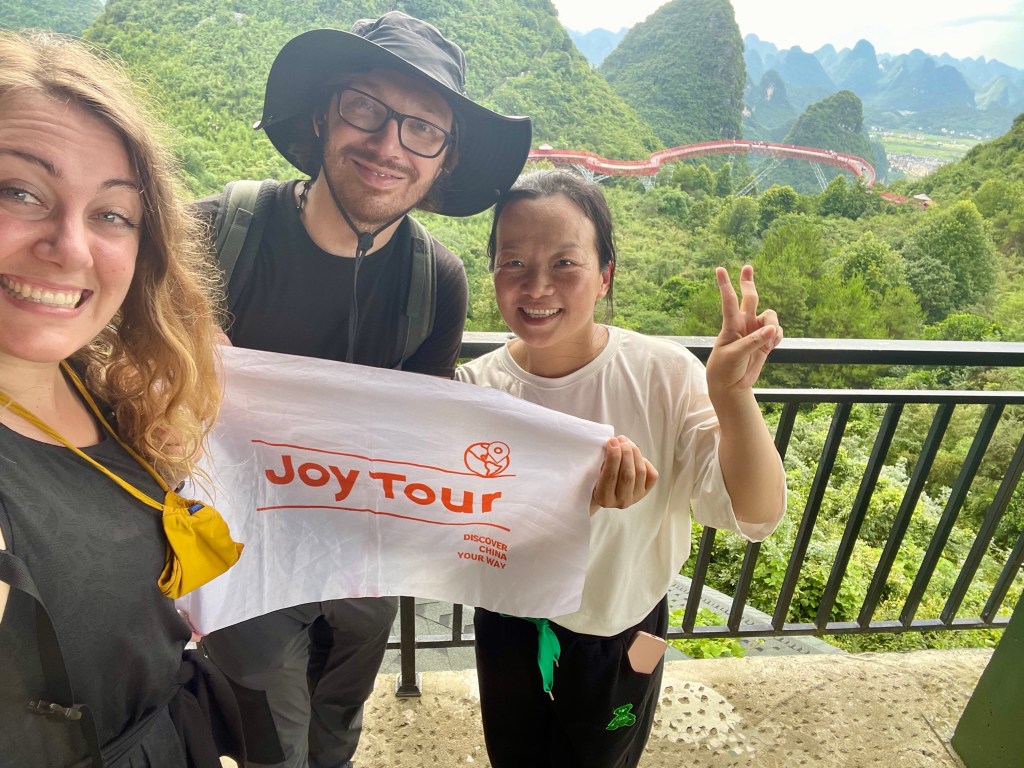
With more wobbly legs than we’d started the day with, we rode the cable car back down to head off to the next part of our adventure. (Check out Evelyn giggling at Michael’s sigh of relief at nearing solid ground again!)
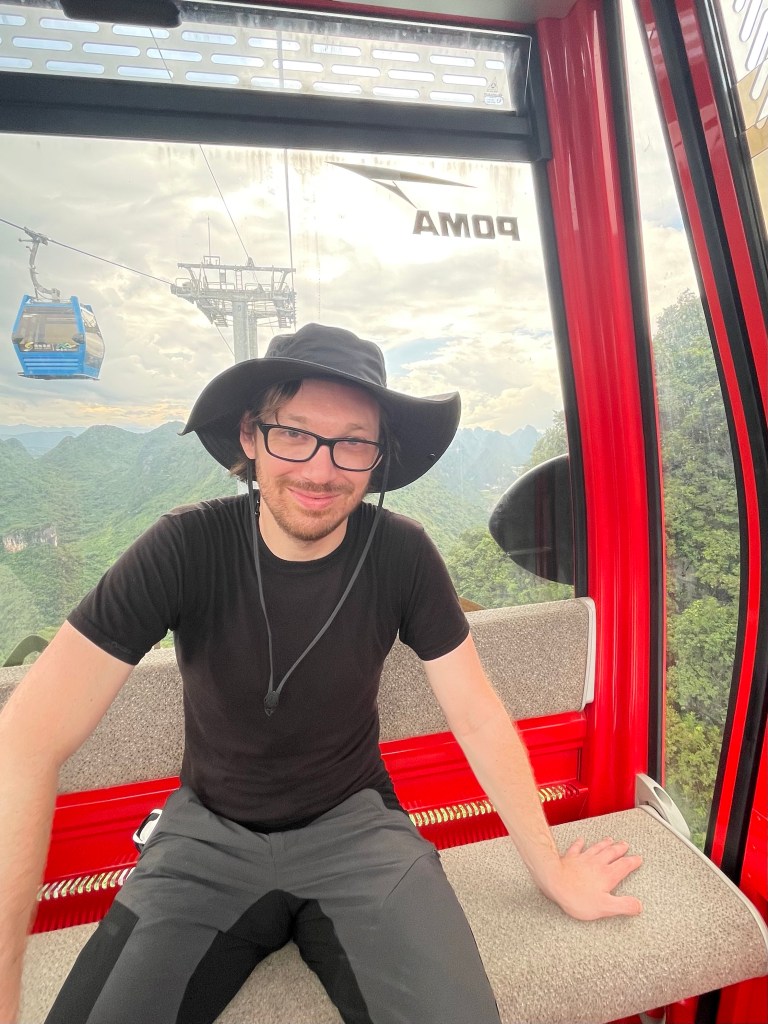

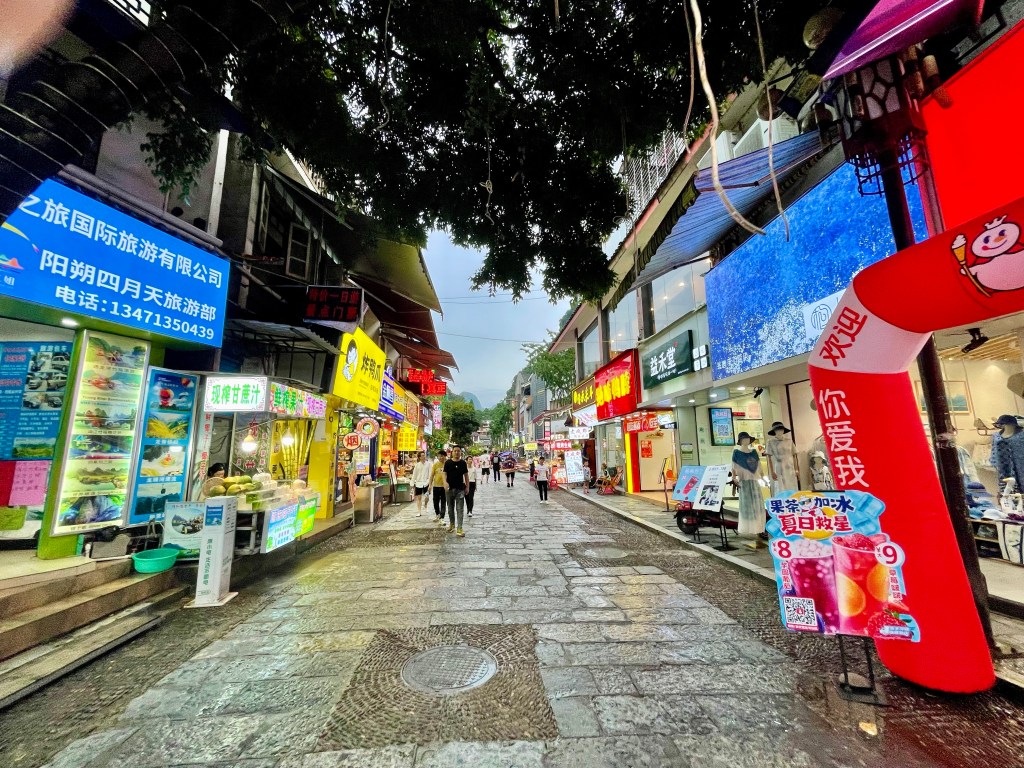
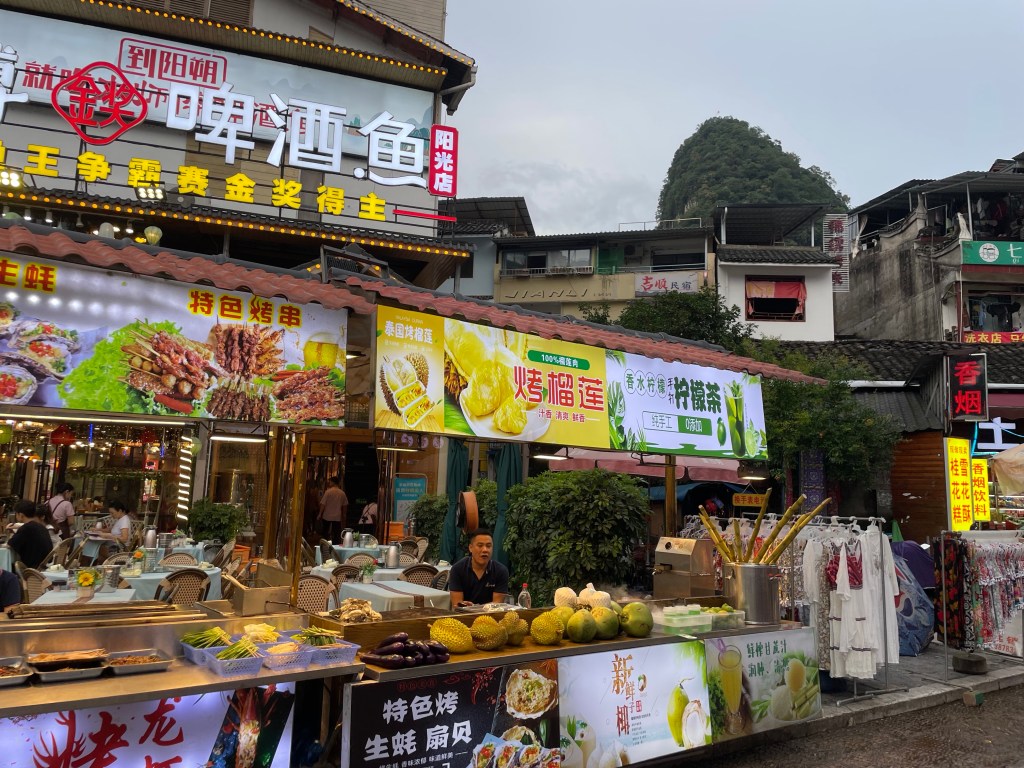
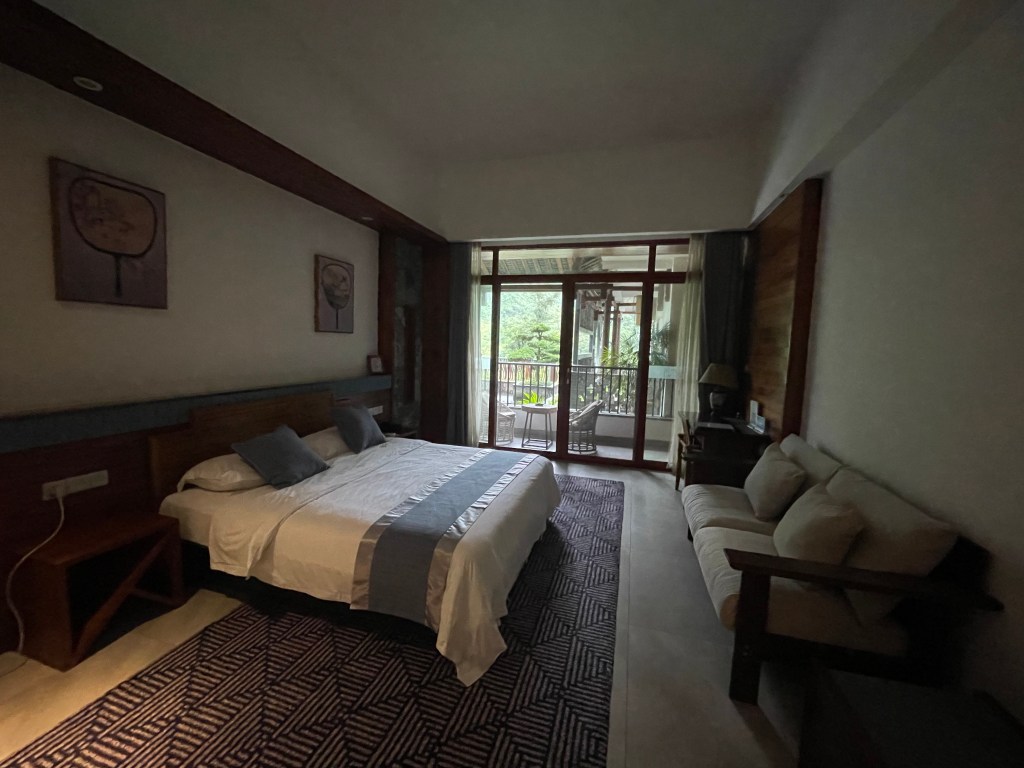
After checking in to our adorable hotel (that had absolutely no air conditioning working which, in a China summer night, meant that I slept very little, but I digress…) we went out to wander through the famous Yangshuo West Street. One of the oldest streets in Yangshuo, with a history going back over 1,400 years, West Street has now become a hub for handicrafts, shops, cafes, pubs, and every kind of street food you could ever want. Since the 80s it has been a popular spot for tourists to visit, earning a reputation as a foreigner street where people of all cultures can mingle. As we walked along the S-shaped street, it almost felt like being in New Orleans – live music was streaming out from all of the open doorways, and everywhere you looked was either a beautiful souvenir or delicious treat waiting to be scooped up.

Our first day in Yangshuo truly could not have been more perfect, and we could not wait to spend more time in what was fast becoming our new favorite place in China.

 Adventure in the Great Wide Somewhere